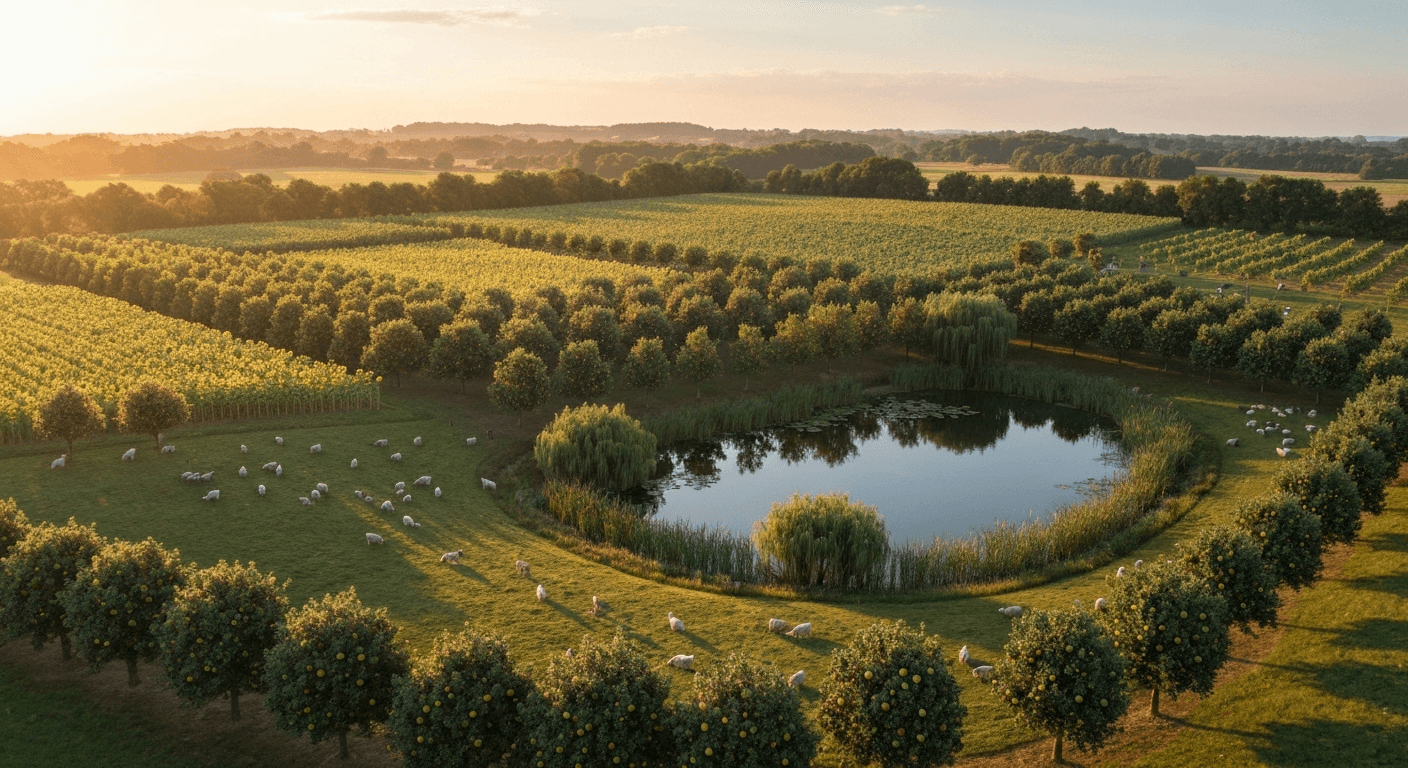
Agriculture and Permaculture: A Guide to Regenerative Practices
Introduction
Have you ever asked yourself if there is a better way for us to handle food production? A way that can help heal the planet and also feed people at the same time? Permaculture design is just that. This way of thinking learns from the way nature works, so it can help people grow food and care for the land in a smart and lasting way. Instead of going against what is happening in nature, permaculture design helps us work with it. This builds tough and useful places for plants, animals, and people. In this guide, you will learn how you can use these helpful steps to change how you feel about the land and the food you eat.
Understanding Permaculture in Agriculture
Permaculture is about setting up ways to live and work that take care of themselves and fit together well. Bill Mollison and David Holmgren came up with a thoughtful permaculture design that brings land, things we use, and people together in a way that helps everyone and all living things. Permaculture design is not only about farming. It is a way of life that helps us see how our choices affect others and the world around us.
When you follow its core design principles, you start to see and understand the world around you better. You can then make agricultural systems that give good results, have many types of plants or animals, and stay strong over time. Next, we will talk about where it comes from, the main ideas, and how it is not like other ways of farming.
The Definition and Origins of Permaculture
So, what does the word permaculture mean? It comes from the words "permanent" and "agriculture." The word permaculture talks about a way to build farming systems that can last and take care of themselves. In farming, permaculture is a design system. It uses what we see in nature to help food grow. There is no waste, because everything in the system helps everything else. It all works in a loop that supports life on its own.
The idea was first started by Bill Mollison and David Holmgren from Australia in the 1970s. They wanted to find a way for people to live that would meet their needs and at the same time help the environment grow and recover. What they did helped start a global movement for sustainable development. This movement asks us to live in a way that takes care of the Earth and does not use up all its resources.
Permaculture principles help us learn how to meet our needs and care for the planet at the same time. These ideas teach us to work with nature, not against it. When you do this, you can have more and waste less. This way of thinking can be good for anyone who wants a more sustainable way to live.
Permaculture's Key Principles for Regenerative Agriculture

The principles of permaculture give us an easy guide on how to make choices that help with regenerative agriculture. These ideas come from a strong respect for the earth. They also come from a wish to make the world fair for everyone. The principles of permaculture ask us to be careful and smart in all that we do.
Permaculture is built on three main ethics. The first is care of the Earth. The second is care for people. The third is making sure there is a fair share by setting limits on what we use. These core ideas are backed by design principles that make it easier for you to use this way of thinking in real life.
Some of the key principles include:
-
Observe and Interact: When you take time to look at nature, you can make systems that work with the world around us.
-
Catch and Store Energy: Get resources when there is a lot of them, like collecting rainwater when it rains, so you can store energy.
-
Use and Value Renewable Resources: Pick things that the earth makes again and again. Use energy or helpers that come back by themselves.
-
Produce No Waste: Try to use every bit, so there is no waste.
-
Use and Value Diversity: A group of many kinds has more strength and gives more than just one kind.
How Permaculture Differs from Conventional Agricultural Methods

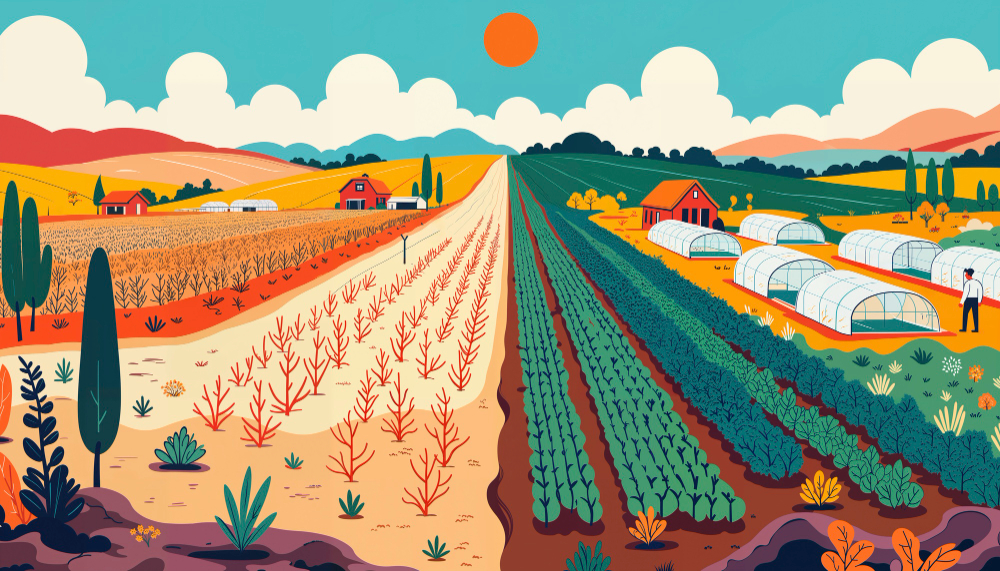
It is easy to see the way permaculture is different from regular farming. Most modern farming uses a lot of machines and grows just one kind of crop. It also uses toxic chemicals to get more crops. But permaculture is all about making places where many different plants and animals can live. These places look after themselves with less help from people. So, it is a move from thinking like a factory to thinking about what is good for the earth.
Unlike usual ways of growing food, which can hurt the dirt and dirty the water, permaculture tries to heal and renew the land. It is not just about skipping chemicals like organic farming. Permaculture is a design system that puts all the pieces together. It includes plants, animals, water, and energy, so they work together as one unit. Both organic farming and permaculture help us get good food, but permaculture also aims to make the land healthier for everyone.
The goal is to work with natural systems and not fight them. This table shows some of the main ways they are different:
Feature Permaculture Conventional Agriculture Goal Create self-sustaining, regenerative ecosystems. Maximize yield and profit. Diversity High biodiversity (polyculture). Low biodiversity (monoculture). Soil Management Builds soil health through no-till, composting, and mulching. Often leads to soil degradation and erosion. Inputs Relies on natural, on-site resources. Depends on external inputs like synthetic fertilizers and pesticides. Waste Aims for a closed-loop system with zero waste. Generates significant waste and pollution.
The Foundations of Regenerative Agriculture
Regenerative agriculture and permaculture are strongly tied to each other. They both want to help the Earth heal. Regenerative agriculture is about the practice of making soil health better and bringing back more life to the land. Permaculture gives you the design system and the ecological vision you need to reach that goal. You can think about it this way: regenerative agriculture is the "what," and permaculture is the "how."
When you use permaculture principles, you set up a system that can help things grow in a good way. This can make soil quality better, help water move as it should, and build places that support plants and animals. Now, we will look at some of the main ways that help make this happen.
Core Practices of Regenerative Farming
Regenerative farming is about doing the work. It uses real steps on the land to bring health back to the soil. These steps all work with each other to make the farm better. The goal is not just to keep the land as it is, but to make it even better for the environment. The most important thing in regenerative farming is to build strong, living soil.
Improving soil health helps in many ways. It can lead to better water quality, more types of living things, and food that is good for you. A big goal is to reach zero waste by using things like animal manure and what is left from crops. These become useful resources. This way, soil health becomes part of a circular system where all things have a use and nothing goes to waste.
Here are some main things people do in regenerative farming:
-
You can help the soil by not disturbing it much. Try no-till or low-till ways to farm.
-
Keep the soil covered. Use cover crops or mulch for this.
-
Grow many kinds of plants. Use different crops together, and rotate them.
-
Bring in livestock to graze. They will also make the land better with manure.
-
Plant perennial plants and trees. This helps hold the soil in place and takes in carbon.
The Connection Between Soil Health and Sustainable Practices
Healthy soil is at the heart of every good permaculture project. The ground below us is more than just dirt. It is full of many living things that help plants grow. When you focus on soil health, you work on making a strong base for your permaculture project. This will also make the land more ready to produce food and stay strong over time.
Composting, mulching, and not tilling the soil can stop soil erosion. These things also help the ground take in more water and hold it for a longer time. This can make your farm or garden stronger when there is a drought and means you will not need a lot of irrigation. Good soil works kind of like a sponge. It keeps water and food for plants right where they need them most.
This focus on soil helps fight climate change. Good soil takes in a lot of carbon from the air and keeps it in the ground. When you use these earth-friendly ways, you can cut down on your carbon footprint. This will help make the planet better for all of us.
Integrating Biodiversity through Permaculture
Nature does well when there is a lot of variety. Permaculture works with this idea. It does not plant just one kind of crop in a large field. A permaculture system uses many types of plants, animals, and insects. This mix, or biodiversity, is important. It helps build a strong and steady place for things to live.
When you value diversity, you build strong bonds between plants. Some add nitrogen to the soil. Others bring in pollinators. A few help keep pests away. This circle of life helps support plants, so you do not need as much fertilizer or spray for bugs. A system like this takes care of itself. It is much stronger than fields with only one type of plant.
This way can make the local community stronger. When you grow many kinds of food, you help local food security go up. You also give people a chance to learn more about sustainable living. A farm with different crops turns into a busy place. It helps not just wildlife, but also the people who need it.
Practical Permaculture Techniques on Farms and Gardens
Are you ready to start working outside? Using permaculture design is not as hard as you might think. You can use a good design system if you have a big farm or just a small backyard garden. The main thing is to make the best use of nature. This way, you can grow your own food. It can feel creative and bring good results.
Going past just organic gardening, these ways help you build a whole system that can take care of itself. You can set up spaces that take care of water, make the soil better, and give homes to helpful animals. The parts below will go over some of the best and most well-known permaculture methods.
Designing Food Forests and Polycultures
Think about a garden that is laid out like a real forest. This is what people call a food forest. It has several layers. You will see tall trees, then smaller shrubs, herbs, ground coverings, and even vines. Each plant is picked to either make food, or give some other good thing to the garden. A food forest shows how polyculture works, as many different kinds of plants grow together in one space.
In a food forest, you put helpful plants next to each other on purpose. For example, you can have nitrogen-fixing shrubs close to fruit trees. This gives the trees a natural boost like a fertilizer. The plants form a group that work with each other, so they do not fight as much and can grow better together. This way, the system can be more productive.
The main idea is to use perennial plants, which last for many years. When you use these, you do not have to plant every year or dig the soil so much. This helps keep a natural balance in the area. A good food forest can give you food for a long time with less work. It can also feed itself and keep bugs away on its own.
Water Management: Rainwater Harvesting & Swales
Good water management is very important in every permaculture system. Instead of letting rainwater leave your land, you can keep it and use it for your garden. When you do this, you store energy as water. This will help your system stay strong when there is not much rain.
Rainwater harvesting is easy to do. You can place barrels under the downspouts, or you can make a more complex system. For example, you can set up pipes to move water from your roof to a pond or cistern. Another good way is to build swales. A swale is a shallow ditch that goes across a slope. Swales slow water down and help it soak into the ground. This adds water to the soil and helps refill the groundwater.
These methods help you:
-
Cut down on how much you use city water or well water.
-
Stop soil erosion by letting water move slower.
-
Keep areas wet so you can support plants.
-
Put water back in the ground to help keep water for a long time.
Composting, No-Till, and Mulching Methods
Building healthy soil takes time and needs ongoing care. There are some main ways to help this happen. Composting is a great method for anyone who wants zero waste. You can take food scraps, yard waste, and other things that can break down, and turn them into good, healthy stuff for the dirt. People call this "black gold" because it adds food and good living things to the soil. This helps boost soil fertility.
No-till farming is also a key practice. You do not dig or plow the soil in this method. This helps protect the soil and the small living things inside it. It can stop the soil from washing away. It helps keep water in the ground. It also keeps carbon in the soil, where it should be.
Mulching is when you put things like straw, wood chips, or leaves on top of the soil. The mulch covers the soil and keeps it safe from the sun and wind. It helps stop weeds from growing and keeps water in the soil. Over time, mulch breaks down and gives food to the soil. All these ways help the soil get better and keep working well.
Benefits of Permaculture for Climate and Ecosystem
Permaculture has many good effects that go past the farm. When you use these ideas, you help deal with some of the biggest problems in the world, like climate change. Permaculture works because it brings back the way nature is meant to be. It helps the world stay in balance.
Focusing on building good soil quality, using water in a smart way, and using renewable resources can help make systems that are strong and can fix themselves. These steps do not just stop damage. They also help heal the planet. In the next parts, we will look at how permaculture helps lower climate problems and makes the environment healthier.
Climate Change Mitigation in Agriculture
Agriculture is one of the main sources for greenhouse gas emissions today. But the good thing is, it can also help solve this problem. Permaculture gives us a clear way to turn farming from hurting our climate into helping it. People often use regular farming ways that put carbon in the air. Permaculture does the opposite. It helps store carbon in the soil.
If you use compost and no-till ways to make the soil better, you help the ground hold a lot of carbon. Planting more trees and perennial plants helps even more. These new plants take CO2 out of the air, making your carbon footprint smaller. These steps do more than what most organic farming does since some organic farming still uses tilling that can put carbon in the air.
Permaculture can help cut down how much we use fossil fuels. When you use less machines, make soil better on the land, and plan for energy savings, you need less from outside sources. This way of looking at the whole system helps deal with climate change. It also builds a food system that is better for the long run.
Enhancing Resilience to Environmental Stressors
As the climate gets harder to predict, it is now more important to build strength in the things we do every day. Permaculture systems help with this. They are made to stay strong, and sometimes even do well, when there is drought, flood, or very hot and cold weather. This comes from having many different types of plants and animals, and by giving a lot of care to soil health.
A system with many types of plants and good soil can deal with changes in the weather in a better way. The soil works like a sponge. It takes in a lot of water when it rains hard. Then, it keeps that water for times when there is not much rain. Having different plants means if one crop does not do well, others can still grow. This helps keep food safe and helps people stay healthy. This way, human health is protected.
Permaculture enhances resilience by:
-
Getting the soil to hold more water helps fight drought.
-
Making many kinds of ecosystems can help stop pests and diseases from spreading.
-
Pushing for local food production means people do not have to rely so much on global supply lines that can break.
-
Using natural building methods with local and safe materials is a good practice.
Promoting Ecological Balance with Regenerative Practices
Permaculture is about bringing back balance to the earth. It helps you see that a farm or garden is not a factory. A farm or garden is a living system. When you use its design principles, the land can work with nature. It does not fight against it, but works in a good way with all of the earth.
This way of doing things helps people use the natural resources in a smart way. They save water and use it again. The nutrients go back around within the system. People also hold onto energy and keep it for later use. Because of this, the place can give back much more without using up everything it needs. This is why permaculture matters so much for a future that can last.
By adding more plants and making new homes for animals, you help bring back a healthy balance to nature. A permaculture site can be a place where nature grows strong again. It shows that people and the planet can both do well together.
Barriers to Adopting Permaculture among Farmers
Even though there are many good things about permaculture, making the move to this kind of system can be hard. A lot of farmers run into problems with money. There are also big gaps in what they know. The way we farm today is based on old methods, and these agricultural systems are hard to change. It is not simple to switch to something so different.
The first thing you need to do is understand these barriers. That is how you can start to get past them. Many people find the change needs a new way to think about farming, land use, and business. In the next sections, we will look at the different money problems and learning problems. These issues can stop more people from using these various systems.
Economic and Practical Challenges
One of the biggest problems is putting in time and money at the start. A permaculture system needs that first step, especially if you use many perennial plants and trees. It can take several years for everything to be fully productive. Farmers get used to quick returns after planting annual crops. So, this change can cause money problems for them during that time.
Some people may think that permaculture does not produce as many crops as industrial farming, especially when it comes to common products like commodity crops. Permaculture farms can give a lot of different goods, but not a large amount of just one thing. This makes it hard to compete in markets where most people want just one common product.
In times of need, farmers often feel unsure about trying something new that has not been used on a big scale. They want to see strong proof that a permaculture model can help them earn money and give them a steady life. Without this kind of proof, they find it hard to take the risk and switch to a new way of working.
Knowledge Gaps and Access to Resources
Another big problem is that there are gaps in what people know. Permaculture can be hard to understand and do. It needs skills that are not the same as what you use in regular farming. A lot of farmers do not know much about it, and they have not been taught how to use it well.
It can be hard to find good information and resources about permaculture design. Even though more people are interested in it now, getting hands-on training or joining a local community can still be tough in some places. A permaculture design course is a good way to start, but you have to give your time and money to take it.
To bridge these gaps, we need:
-
There should be more educational programs that are easy to join and cost less.
-
There must be better support networks in the local community.
-
Farmers need places where they can go and see permaculture for themselves.
-
Groups like the permaculture institute of north america help by giving certified training and setting standards for people in this field.
Starting Your Permaculture Journey in the United States
Are you ready to get started with your own permaculture journey? The good thing is you can begin it right where you are now, no matter how much space you have. When you use permaculture design, you can grow things in any place and in any weather. It does not matter if you don't have a big property. You can use your backyard, your balcony, or even a windowsill to make your own design system. People in many countries have shown that this works. There are interesting projects in New Zealand, South Australia, and other places. These projects show what you can do when you follow the principles of permaculture.
The first thing you need to do is to change the way you think. Move from just using things to making things. When you watch the natural systems around you, you will see how to build a space that works with nature. You can grow food, use less water, and make the soil better. This is a way of learning as you go. It helps you feel close to your place and to the food you get.
Steps for Beginners to Apply Permaculture Principles
Getting started with permaculture principles is not about following strict rules. It is more about how you think and see things. The most important first step is thoughtful observation. Take time in your space. Watch how the sun moves. See where the water goes. Look at the plants and animals that are already there.
When you get a better understanding of your site, you can start to use some simple design principles. Begin with something small that you feel you can do. A good start could be a small herb spiral or a compost bin. If you do well with a small project, it will help you feel more ready to try bigger ones. It will also help you learn more along the way.
Here are a few steps to help you start with sustainable living:
-
Observe and Learn: Try to watch your yard for a whole season if there is time.
-
Start Small: Pick one project that feels easy to handle so you can get started.
-
Focus on Soil: Begin a compost pile to help make your soil healthy.
-
Manage Water: Put in a rain barrel so you can catch and use rainwater.
-
Plant a Perennial: Grow one edible plant that comes back each year, like a fruit bush or rhubarb.
Examples of Successful Permaculture Farms and Gardens
Permaculture is used in various sectors across the world. You can see it in small urban gardens and large farms. These places show what is possible when you work with nature. Each project uses the principles of permaculture in ways that fit the area's people and land.
These examples show how a permaculture project can give you food, teach people, and help bring the community together. They also show that you can make money and help nature at the same time. A permaculture project proves you do not have to pick between caring for the earth and making a good living.
Here are a few inspiring examples:
Project Name Location Key Focus Happy Food Farm Nanning, China Produces a variety of food and educates local children on permaculture, creating a zero-waste system. Konga Institute New Zealand Home to a large organic seed shop and a global hub for educating students on sustainable living. Permaculture in Ukraine Ukraine A non-profit that helps local communities apply permaculture techniques in their own households. Senegal Permaculture Project Senegal Uses an 11-acre demonstration farm to teach local landowners about soil fertility, water management, and tree planting.
Conclusion
To sum up, using permaculture in farming is a new way to grow food. It puts care for the earth first. It also helps us feel closer to the world around us. When people know the rules and steps of permaculture, they can help nature stay strong. This is good for both the land and the people in it. Making the change to these ways may not be easy. But over time, you will see big rewards like better soil health, more types of plants and animals, and a system that can handle changes in weather. If you want to get started with farming that is better for the planet, you can reach out for a free talk. Get advice on how to begin your permaculture journey now.
Frequently Asked Questions
Is permaculture profitable for American farmers?
Yes, permaculture can make money. In the beginning, there may be some money problems. But using permaculture principles can help bring down costs over time. It also helps grow a more mixed and high-value food production. When you stop using so many things from outside and focus on improving the amount of crops, you can build a strong business. This is good for their quality of life, too.
What steps can be taken to transition from conventional to regenerative agriculture?
The switch to regenerative agriculture starts when you look closely at your land. Use simple design principles when you get started. Add cover crops. Try to do less tilling. Begin composting to help the soil get better. Over time, bring in more kinds of plants and put your focus on saving natural resources, like water. This way, you can grow your own food and help the land at the same time.
Why do experts recommend permaculture for the future of sustainable farming?
Experts say that permaculture design is good because it helps build strong systems that can last on their own. In permaculture, you learn to store energy, value diversity, and practice sustainable living. The main idea is to care of the earth. Permaculture gives us a real way to farm that puts life back into the planet instead of taking away from it.