
Introduction
April is an exciting time for gardeners as it marks the start of the gardening season. The days are getting longer and the weather is finally starting to warm up. It's the perfect time to get outside and start planting flowers in your garden.
One of the best things about April gardening is that the weather is ideal for planting. The soil has thawed out from the winter frost and the temperatures are cool and mild. This is especially important for flowers that thrive in cool conditions. By planting these flowers in April, you give them the perfect start to grow and bloom throughout the spring and summer.
When choosing flowers to plant in April, it's important to consider your hardiness zone. This will help you determine which flowers are best suited for your specific climate and growing conditions. It's also important to consider the amount of sunlight your garden receives. Most flowers prefer full sun, but there are also many that can tolerate partial shade.
In this blog, we will explore the top 10 flowers that are perfect for planting in your garden this April. These flowers are known for their early spring blooms, ability to thrive in cool conditions, and their beauty and fragrance. Whether you're a beginner gardener or an experienced green thumb, these flowers are sure to add color and charm to your garden.
Top 10 Flowers to Plant in Your Garden This April
April is the perfect time to plant a variety of flowers in your garden. Here are the top 10 flowers that you should consider planting this month:
- Daffodils - A Spring Classic: Daffodils are a springtime favorite with their bright yellow blooms. They are easy to grow and can withstand cooler temperatures. Plant them in early spring for a burst of color in your garden.
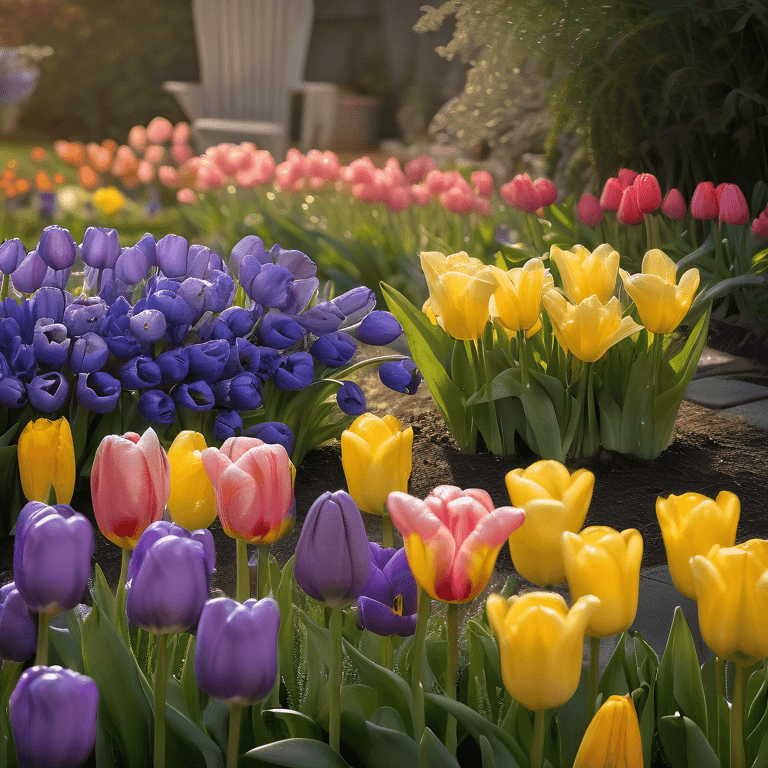
- Tulips - Vibrant Colors for Brighter Days: Tulips come in a variety of colors and are known for their vibrant blooms. They prefer full sun and can be planted in garden beds or containers for a stunning display in early spring.
- Hyacinths - Fragrant Blooms to Welcome the Season: Hyacinths are known for their sweet fragrance and beautiful blooms. They come in a variety of colors and can be planted in garden beds or containers for a fragrant addition to your garden.
- Pansies - Cool Weather Champions:ansies are cool-season flowers that thrive in cooler temperatures. They come in a variety of colors and can be planted in garden beds or containers for a pop of color in your garden.
- Primroses - Early Spring Beauty: Primroses are early spring flowers that come in a variety of colors. They prefer partial shade and moist soil, making them perfect for planting in early spring.
- Lilacs - Lush Fragrance and Late Spring Blooms: Lilacs are famous for their fragrant blooms and lush foliage. They prefer full sun and can be planted in garden beds or as a focal point in your garden.
- Peonies - Lush and Romantic Flowers: Peonies are known for their large, lush blooms and romantic charm. They prefer full sun and can be planted in garden beds for a stunning display in early summer.
- Forsythia - Golden Bells of Spring: Forsythia is a shrub that is known for its bright yellow blooms. It prefers full sun and can be planted in garden beds or as a hedge for a burst of color in early spring.
- Azaleas - A Burst of Color: Azaleas are known for their vibrant blooms and come in a variety of colors. They prefer partial shade and can be planted in garden beds or as a focal point in your garden.
- Cherry Blossoms - Symbolic and Serene: Cherry blossoms are famous for their delicate blooms and are symbolic of spring. They prefer full sun and can be planted in garden beds or as a statement tree in your garden.
These 10 flowers are perfect for planting in your garden this April and will bring beauty and charm to your outdoor space.
1. Daffodils - A Spring Classic

Daffodils are a classic spring flower that brings a burst of color to any garden. They are known for their bright yellow blooms and are often the first flowers to bloom in early spring. Daffodils are easy to grow and can tolerate cooler temperatures, making them perfect for planting in April.
Daffodils are available in a variety of sizes and shapes, from traditional yellow trumpet daffodils to fragrant, multi-flowered daffodils. They prefer full sun or partial shade and well-drained soil. Daffodils are also deer-resistant, making them a great choice for gardens where deer are a problem.
When planting daffodils, choose a location that receives at least 6 hours of sunlight a day. Dig a hole that is about 6 inches deep and plant the bulb with the pointed end facing upwards. Space the bulbs about 4-6 inches apart. Water the bulbs after planting and keep the soil moist but not soggy. In a few weeks, you'll be rewarded with a stunning display of vibrant yellow blooms that will brighten up your garden in early spring.
2. Tulips - Vibrant Colors for Brighter Days
Tulips are one of the most popular flowers for spring gardens, and for good reason. They come in a wide variety of colors and are known for their vibrant blooms. Tulips prefer full sun and well-drained soil, making them perfect for planting in garden beds or containers.
When planting tulips, choose a location that receives at least 6 hours of direct sunlight a day. Dig a hole that is about 6 inches deep and plant the bulb with the pointed end facing upwards. Space the bulbs about 4-6 inches apart. Water the bulbs after planting and keep the soil moist but not soggy.
Tulips are early spring bloomers and can add a pop of color to your garden in April. They are available in a wide range of colors, including red, yellow, pink, purple, and white. Planting a variety of tulip colors can create a stunning display in your garden and bring brighter days to your outdoor space.
3. Hyacinths - Fragrant Blooms to Welcome the Season
Hyacinths are known for their sweet fragrance and beautiful blooms. They are early spring flowers that come in a variety of colors, including purple, pink, white, and blue. Hyacinths prefer full sun and well-drained soil, and they can be planted in garden beds or containers.
When planting hyacinths, choose a location that receives at least 6 hours of direct sunlight a day. Dig a hole that is about 6 inches deep and plant the bulb with the pointed end facing upwards. Space the bulbs about 4-6 inches apart. Water the bulbs after planting and keep the soil moist but not soggy.
Hyacinths are perfect for adding fragrance to your garden in early spring. Their sweet scent can fill the air and welcome the season. Planting hyacinths in clusters or in combination with other spring flowers can create a beautiful and fragrant display in your garden.
4. Pansies - Cool Weather Champions

Pansies are cool-season flowers that thrive in cooler temperatures. They come in a variety of colors, including purple, yellow, white, and orange. Pansies prefer full sun or partial shade and well-drained soil, and they can be planted in garden beds or containers.
When planting pansies, choose a location that receives at least 4-6 hours of direct sunlight a day. Dig a hole that is about 6 inches deep and plant the seedling with the crown level with the soil surface. Space the seedlings about 6-8 inches apart. Water the seedlings after planting and keep the soil moist but not soggy.
Pansies are known for their ability to withstand cooler temperatures and variable weather conditions. They can bloom from early spring until the heat of summer, bringing color and beauty to your garden. Planting pansies in garden beds or containers can create a stunning display of cool-season blooms in your garden.
5. Primroses - Early Spring Beauty
Primroses are early spring flowers that come in a variety of colors, including yellow, pink, purple, and white. They prefer partial shade and moist, well-drained soil, making them perfect for planting in garden beds or containers.
When planting primroses, choose a location that receives morning sun and afternoon shade. Dig a hole that is about 6 inches deep and plant the seedling with the crown level with the soil surface. Space the seedlings about 6-8 inches apart. Water the seedlings after planting and keep the soil moist but not soggy.
Primroses are known for their ability to bloom in early spring and add beauty to any garden. Their vibrant blooms and low-growing habit make them a great choice for border plantings, walkways, and container arrangements. Planting primroses in your garden can bring early spring beauty and color to your outdoor space.
6. Lilacs - Lush Fragrance and Late Spring Blooms
Lilacs are famous for their fragrant blooms and lush foliage. They are late spring flowers that come in a variety of colors, including purple, pink, white, and blue. Lilacs prefer full sun and well-drained soil, making them perfect for planting in garden beds or as focal points in your garden.
When planting lilacs, choose a location that receives at least 6 hours of direct sunlight a day. Dig a hole that is about 2 feet deep and wide, as lilacs have extensive root systems. Plant the lilac bush with the crown level with the soil surface. Water the bush after planting and keep the soil moist but not sog.
Lilacs are known for their fragrant blooms, which can fill the air with their sweet scent in late spring. Planting lilacs in your garden can create a lush and fragrant display that will bring beauty and charm to your outdoor space.
7. Peonies - Lush and Romantic Flowers
Peonies are known for their large, lush blooms and romantic charm. They are early summer flowers that come in a variety of colors, including pink, white, and red. Peonies prefer full sun and well-drained soil, making them perfect for planting in garden beds.
When planting peonies, choose a location that receives at least 6 hours of direct sunlight a day. Dig a hole that is about 2 feet deep and wide, as peonies have extensive root systems. Plant the peony root with the eyes (buds) facing upwards and the crown level with the soil surface. Water the root after planting and keep the soil moist but not soggy.
Peonies are known for their lush blooms, which can add a touch of romance to any garden. Planting peonies in garden beds can create a stunning display of early summer flowers that will bring beauty and elegance to your outdoor space.
8. Forsythia - Golden Bells of Spring
Forsythia is a shrub that is known for its bright yellow blooms. It is early spring flower that prefers full sun and well-drained soil. Forsythia can be planted in garden beds or as a hedge for a burst of color in early spring.
When planting forsythia, choose a location that receives at least 6 hours of direct sunlight a day. Dig a hole that is about 2 feet deep and wide, as forsythia has an extensive root system. Plant the shrub with the crown level with the soil surface. Water the shrub after planting and keep the soil moist but not soggy.
Forsythia is known for its golden bells of spring, which can bring a burst of color to your garden. Planting forsythia in your garden can create a stunning display of early spring blooms that will brighten up your outdoor space.
9. Azaleas - A Burst of Color
Azaleas are known for their vibrant blooms and come in a variety of colors, including pink, red, purple, and white. They are early spring flowers that prefer partial shade and well-drained soil, making them perfect for planting in garden beds or as focal points in your garden.
When planting azaleas, choose a location that receives morning sun and afternoon shade. Dig a hole that is about 2 feet deep and wide, as azaleas have extensive root systems. Plant the shrub with the crown level with the soil surface. Water the shrub after planting and keep the soil moist but not soggy.
Azaleas are known for their burst of color in early spring, which can add vibrancy to any garden. Planting azaleas in your garden can create a stunning display of early spring blooms that will bring beauty and color to your outdoor space.
10. Cherry Blossoms - Symbolic and Serene
Cherry blossoms are famous for their delicate blooms and are symbolic of spring. They are early spring flowers that prefer full sun and well-drained soil, making them perfect for planting in garden beds or as statement trees in your garden.
When planting cherry blossoms, choose a location that receives at least 6 hours of direct sunlight a day. Dig a hole that is about 2 feet deep and wide, as cherry blossoms have extensive root systems. Plant the tree with the crown level with the soil surface. Water the tree after planting and keep the soil moist but not soggy.
Cherry blossoms are known for their delicate blooms and serene beauty. Planting a cherry blossom tree in your garden can create a stunning display of early spring blooms that will bring a sense of tranquility and beauty to your outdoor space.
Essential Tips for Flower Gardening in April
When it comes to flower gardening in April, there are a few essential tips to keep in mind:
- Choose flowers that are suited to your hardiness zone and can tolerate the variable temperatures and rainfall of early spring.
- Plant flowers in a location that receives adequate sunlight for their specific needs.
- Make sure to water your flowers regularly, especially during dry periods.
- Add organic matter, such as compost, to improve the soil's fertility and drainage.
- Deadhead spent blooms to promote continuous flowering.
- Keep an eye out for pests and diseases and take appropriate action to protect your flowers.
By following these essential tips, you can ensure that your flower garden thrives in the April gardening season.
Choosing the Right Location
When it comes to planting flowers in your garden, choosing the right location is key. Different flowers have different sunlight requirements, so it's important to consider the amount of sun exposure a location receives.
For flowers that prefer full sun, choose a location that receives at least 6 hours of direct sunlight a day. This is ideal for flowers like daffodils, tulips, and lilacs. On the other hand, for flowers that prefer partial shade, choose a location that receives morning sun and afternoon shade. This is ideal for flowers like primroses, azaleas, and cherry blossoms.
In addition to sunlight, it's also important to consider the type of soil and drainage in the location. Most flowers prefer well-drained soil, so make sure to choose a location that has good drainage. If you have heavy clay soil, consider amending it with organic matter to improve its fertility and drainage.
By choosing the right location for your flowers, you can ensure that they have the best chance of thriving and adding beauty to your garden.
Soil Preparation for Spring Planting
Before planting flowers in April, it is important to prepare your soil. This will ensure that your flowers have the best chance of thriving and producing beautiful blooms.
Start by adding organic matter to your soil. This can include compost, well-rotted manure, or peat moss. Organic matter improves soil structure, retains moisture, and provides essential nutrients for your flowers.
Check the soil temperatures before planting. Most flowers prefer soil temperatures between 50-70 degrees Fahrenheit. If the soil is too cold, the seeds may not germinate properly or the plants may struggle to establish themselves.
Remove any weeds or debris from the planting area and loosen the soil with a garden fork or tiller. This will help the roots of your flowers to penetrate the soil easily.
Once the soil is prepared, you can start planting your flowers according to their specific planting requirements.
Watering Needs for New Plantings
Proper watering is essential for the success of newly planted flowers. Young plants have delicate root systems that require consistent moisture to establish themselves.
Water your new plantings immediately after planting to settle the soil around the roots. Use a gentle spray or watering can to avoid disturbing the plants.
After the initial watering, check the moisture levels in the soil regularly. Stick your finger about an inch into the soil to determine if it is dry or moist. Water the flowers deeply when the soil feels dry to the touch.
Avoid overwatering, as this can lead to root rot and other issues. Allow the soil to dry slightly between waterings, but don't let it become bone dry.
Consider using a layer of mulch around your flowers to help retain moisture in the soil and prevent weeds from competing for water.
Mulching to Maintain Moisture and Temperature
Mulching is an important practice in maintaining moisture and temperature in your garden. This is especially crucial for flowers planted in April, as they may be exposed to cooler temperatures and fluctuating weather conditions.
Apply a layer of organic mulch, such as wood chips or compost, around your flowers. This helps to retain moisture in the soil, preventing it from drying out too quickly during warm periods.
Mulch also acts as insulation, protecting the roots of your flowers from extreme temperature fluctuations. It keeps the soil cooler in hot weather and warmer in colder weather, providing a more stable environment for your plants.
In addition to moisture and temperature regulation, mulch also helps to suppress weeds, reduce erosion, and improve soil health by adding organic matter as it breaks down.
Pest and Disease Management Strategies
In every garden, it is important to be proactive in managing pests and diseases. By taking preventive measures, you can help your flowers to stay healthy and vibrant throughout the growing season.
Encourage beneficial insects such as ladybugs, lacewings, and hoverflies to your garden. These insects feed on common garden pests like aphids, mites, and caterpillars, helping to keep their populations in check.
Regularly inspect your flowers for signs of pests or diseases. Early detection allows for prompt intervention and reduces the risk of widespread damage. Remove any infected or infested plants to prevent the spread of disease.
Practice good sanitation in your garden. Remove fallen leaves and debris, as they can harbor pests and diseases. Proper spacing between plants can also help to improve air circulation and reduce the risk of fungal diseases.
Consider using organic pest and disease management strategies, such as neem oil or insecticidal soaps, to control common pests without harming beneficial insects or the environment.
April Garden Maintenance Tasks
In addition to planting flowers, there are several maintenance tasks that should be done in your garden during the month of April.
Prune any winter damage from trees, shrubs, and perennials. This will promote healthy growth and encourage blooming.
Fertilize your garden beds with a balanced fertilizer to provide essential nutrients for spring growth.
Divide overcrowded perennials to promote healthier plants and prevent overcrowding.
Take care of your lawn by mowing, fertilizing, and addressing any weed or pest issues.
By staying on top of these maintenance tasks, you can ensure that your garden remains healthy and beautiful throughout the growing season.
Pruning Winter Damage
Early spring is the ideal time to prune any winter damage from your plants. This includes trees, shrubs, and perennials that may have suffered from the harsh winter conditions.
Inspect your plants for any broken or damaged branches. Prune these back to healthy growth, making clean cuts just above a bud or branch union.
Remove any dead or diseased wood from your plants. This will prevent the spread of disease and promote healthy growth.
Pruning in early spring also encourages blooming, as it stimulates new growth and allows for better air circulation and light penetration.
Remember to use sharp, clean pruning tools and sanitize them between cuts to prevent the spread of disease.
By pruning winter damage in early spring, you can help your plants to recover and thrive throughout the growing season.
Fertilizing for Spring Growth
Early spring is the perfect time to fertilize your garden beds to provide essential nutrients for spring growth.
Choose a balanced fertilizer that contains nitrogen, phosphorus, and potassium. This will ensure that your plants receive a well-rounded nutrient boost.
Apply the fertilizer according to the instructions on the package, taking care not to over-fertilize. Too much fertilizer can burn the roots of your plants and cause damage.
Spread the fertilizer evenly over the soil surface, avoiding direct contact with the stems and foliage of your plants.
Water the fertilizer into the soil thoroughly to allow the nutrients to reach the roots of your plants.
Regular fertilizing in early spring will support healthy growth and promote abundant blooms throughout the growing season.
Dividing Perennials for Healthier Plants
Early spring is the best time to divide overcrowded perennials in your garden. Dividing perennials helps to promote healthier plants and prevent overcrowding.
Carefully dig up the clump of perennials, taking care not to damage the roots. Gently separate the clump into smaller sections, ensuring that each section has roots attached.
Replant the divided sections in well-prepared soil, spacing them according to the specific requirements of each plant.
Water the newly divided plants thoroughly to settle the soil around the roots.
Dividing perennials in early spring allows the plants to establish themselves before the heat of summer arrives. It also encourages new growth and more abundant blooms.
Regularly dividing perennials is an important part of garden maintenance and helps to rejuvenate your garden beds.
Lawn Care Tips for Early Spring
Early spring is a critical time for lawn care, as the grass begins to grow and flourish after the winter dormancy.
Start by raking your lawn to remove any dead leaves, debris, or thatch. This will help to improve air circulation and prevent the growth of moss or diseases.
Mow your lawn to a height of about 2-3 inches. Removing excessive length will promote healthy growth and discourage weeds.
Consider aerating your lawn to alleviate compacted soil and improve water and nutrient absorption.
Fertilize your lawn with a slow-release fertilizer specifically formulated for grass. This will provide essential nutrients for healthy growth.
Regularly water your lawn, especially during dry periods, to ensure that the grass remains hydrated and healthy.
By following these lawn care tips in early spring, you can maintain a lush, green lawn throughout the growing season.
Conclusion
April is the perfect time to infuse your garden with vibrant colors and fragrant blooms. From classic daffodils to lush peonies, these top 10 flowers will brighten up your outdoor space. Remember to choose the right location, prepare the soil, and maintain watering needs for a successful garden. Keep an eye out for pests and diseases while ensuring proper mulching. Don't forget essential maintenance tasks like pruning and fertilizing for healthy growth. Whether you're a seasoned gardener or just starting out, these tips will help you create a beautiful April garden that flourishes throughout the season.
Frequently Asked Questions
What are the easiest flowers to grow in April?
In April, some of the easiest flowers to grow include pansies, sweet alyssum, and calendula. These hardy annuals require little care and bloom beautifully in full sun during the early spring.
Can I plant summer-blooming flowers in April?
Yes, you can plant summer-blooming flowers in April. However, it is important to consider the specific requirements of each flower and whether your climate is suitable for their growth. Be mindful of the warmer temperatures and provide the necessary care for the flowers to thrive.
How do I protect my April flowers from late frosts?
To protect your April flowers from late frosts, cover them with frost protection fabric or cloths overnight. This will help to trap heat and prevent the cold air from damaging the young plants. Mulching around the plants can also provide some insulation and moisture retention.
What should I do if my April flowers don't bloom?
If your April flowers don't bloom, it could be due to several factors. Check the soil temperatures and ensure that they are suitable for the specific flower species. Evaluate your garden maintenance practices, such as fertilization and watering, and make adjustments accordingly. Some flowers may require a longer growing season and may bloom in early fall.