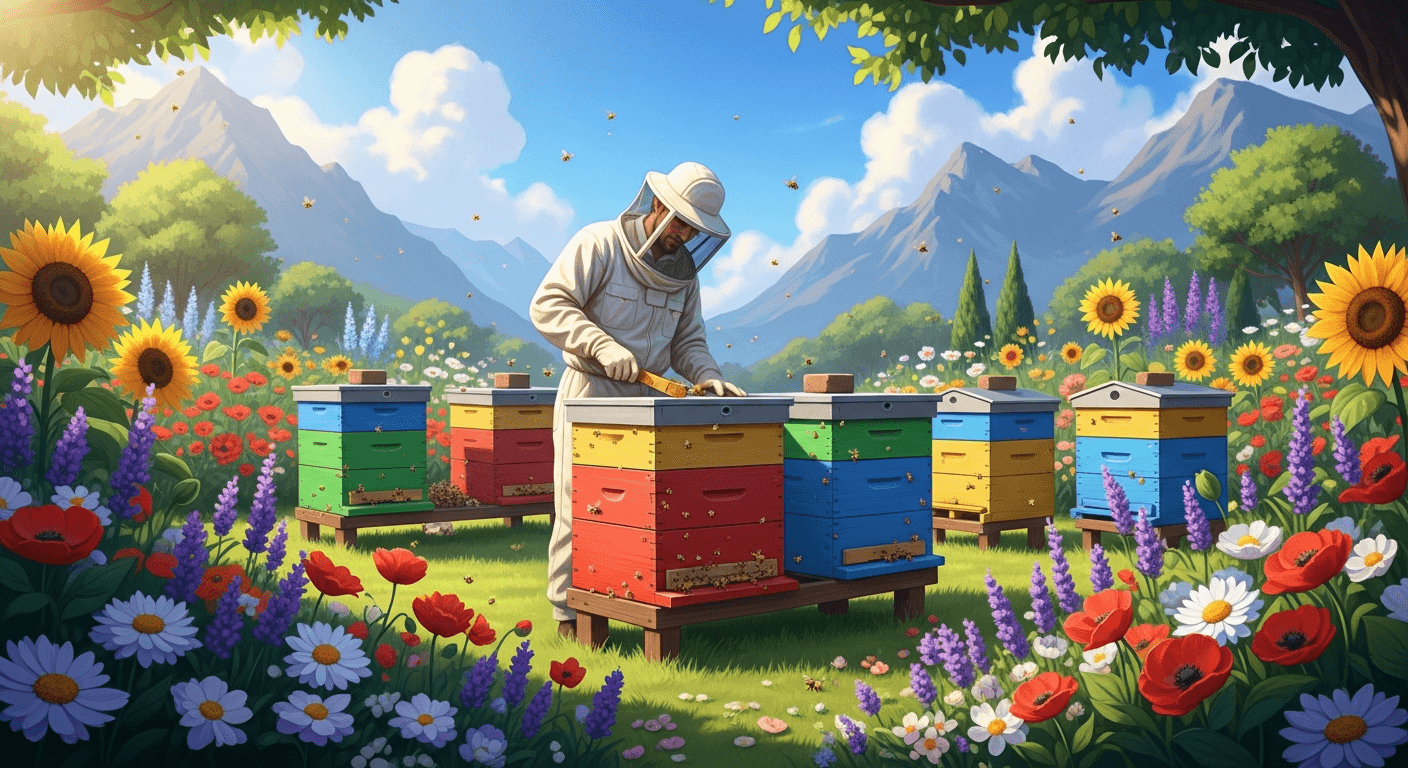
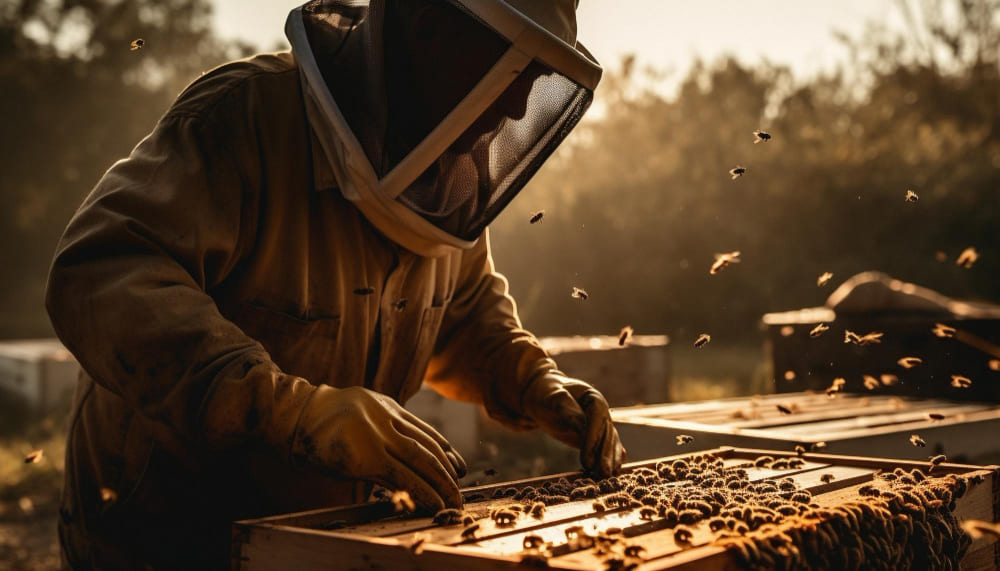
Beginner's Guide to Becoming a Successful Beekeeper
Introduction
Welcome to the exciting world of beekeeping! When you start to be a beekeeper, you get to feel close to nature and learn all about the honeybee. If you are a beginner, it may feel like a lot at first. But with some good preparation and knowledge, you can have your own hive and enjoy looking after it. This guide will show you everything you need. You will get to know the bees, learn how to set up your first beehive, and see your bees grow. Let's help you get started on your way to being a beekeeper.
Understanding the World of Beekeeping
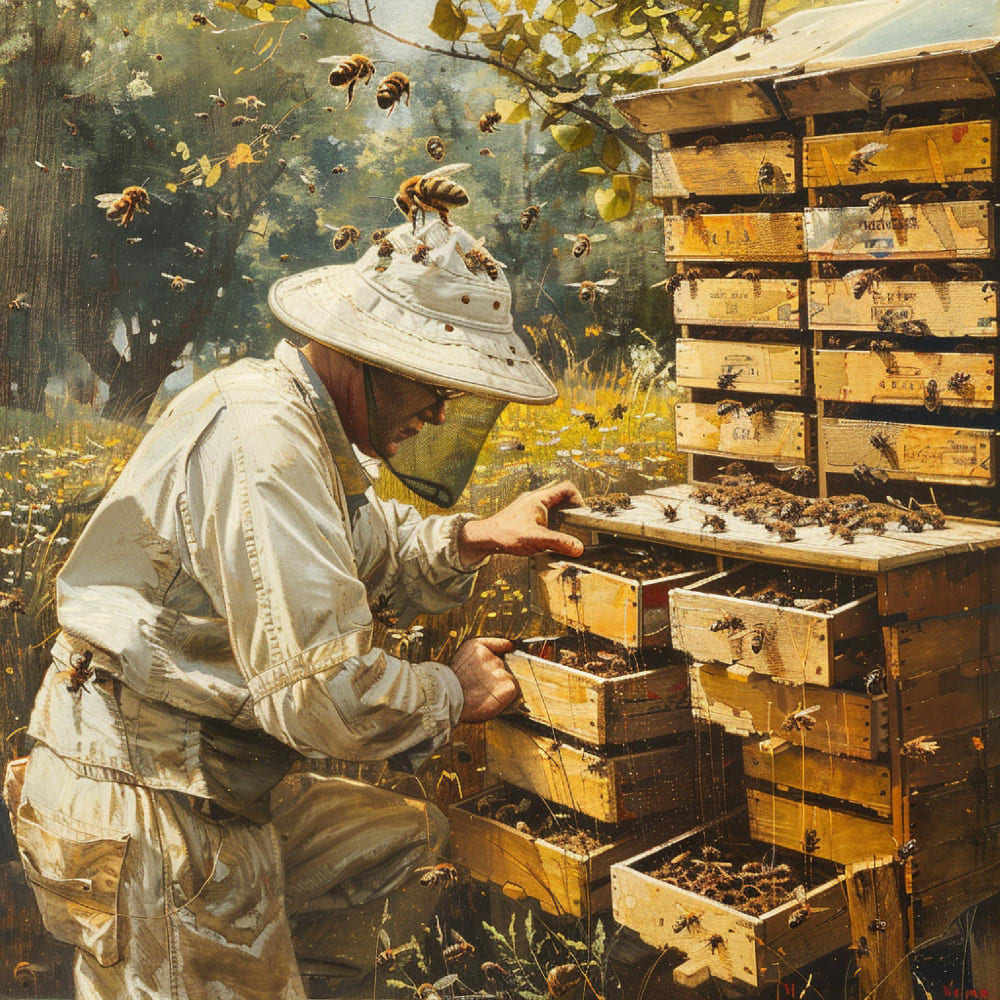
Before you buy any tools or supplies, you need to know about honey bees and how their world works. These insects live together in a group called the colony. It helps to learn how honey bees act, how they make a home, and how they make honey. This is the start of good beekeeping.
A beekeeper needs to know the jobs in the colony. This includes the queen, worker bees, and drones. You should learn about their life cycle and how they talk to each other. It is also helpful to see how they deal with things that can harm them, like swarms or pests. When you have this information, you can take care of your apiaries in a good way. Now, let's look at what a beekeeper does and why you might want to make this your hobby.
What Does a Beekeeper Do?
A beekeeper's main job is to look after and manage a honeybee group. Your goals are to keep the bees healthy and to help them produce more honey. The work you do will be different in every season. You will have to give your bees a safe and good beehive where they can live and grow.
Your job is to manage the space in the hive. You need to add or take away boxes as the colony grows or gets smaller. You also protect the hive from things like mites and bears. A big part of this work is to check how much food the colony has, especially when there is not much natural nectar around.
In the end, a beekeeper helps the colony to grow strong. A big part of this is making sure the queen is well and she lays eggs. This is very important for the hive to live. When you take care of your bees, you support the work of pollination in your area. Over time, you get to enjoy honey production, which is a nice treat.
Why Start Beekeeping as a Beginner?
Starting beekeeping as a hobby lets you feel a special connection to nature. For a beginner, the first step comes from being curious. This leads to learning new things all the time. You can watch how a honeybee colony works up close and help it grow strong.
This hobby is not just about getting honey. It's about helping the hive and taking care of bees, which are important pollinators. You will learn how to build a hive and check on the bees. You will also start to feel more connected to the environment. A lot of people say that working with their bees makes them feel calm and gives them a good feeling.
As you start your beekeeping hobby, you will see that there is always something new. If you talk with a more experienced beekeeper or join a local club, it will help you. You can get tips and feel more relaxed. This makes your time in beekeeping easy and fun.
Key Benefits of Being a Beekeeper
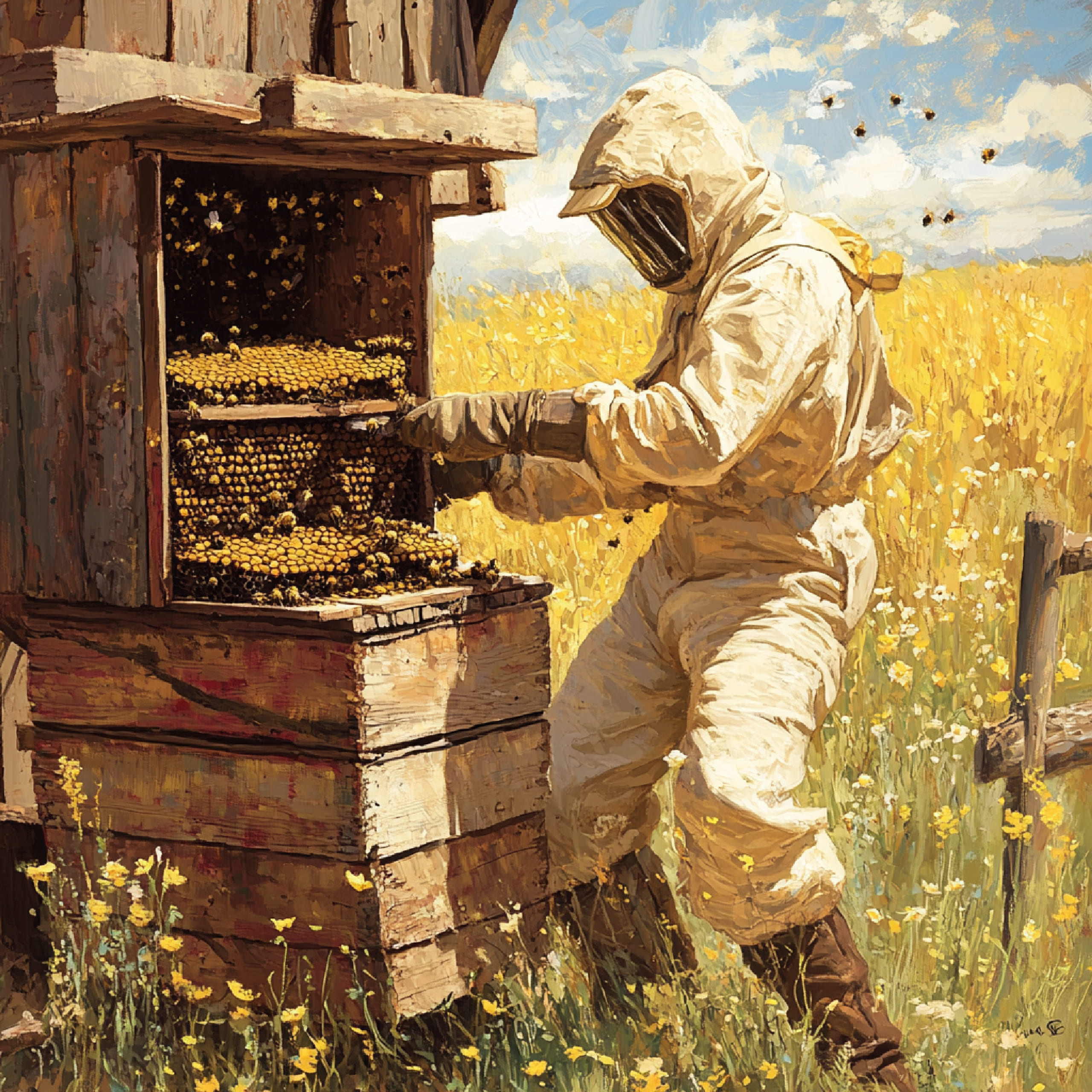
Being a beekeeper has many good things that go past your yard. You help the local environment with pollination. This supports the growth of gardens and crops. Making honey is a big reward for all beekeepers, no matter if you are a beginner or one of the commercial beekeepers.
This hobby helps you feel close to the food chain. You also learn about the balance in our ecosystem. If you want to start small or dream big, beekeeping lets you do something good for nature. Now, let us look at some ways beekeeping is good for the earth and what you can get from it.
Environmental Impact and Pollination
One of the top ways a beekeeper helps is by supporting pollination. A honeybee is a great pollinator. When you keep a healthy beehive, you help local plants, flowers, and food crops grow by ensuring that they get the pollen they need. The worker bee goes from flower to flower to get nectar and pollen. While doing this, it helps plants make seeds and grow new plants. This is an important job for people, animals, and the whole area.
A strong honeybee hive is important for a healthy ecosystem. When you are a beekeeper, you help your hive stay healthy. This work helps the environment around you. You support a large group of pollinators. These pollinators are very important for plants and farming. If we lose these busy insects, we would not have many of the fruits and vegetables that we like to eat.
Your efforts help to:
-
Boost how much crops can grow in local gardens and on farms.
-
Help wildflowers to grow. These wildflowers give food to many other animals.
-
Make local nature stronger by helping more kinds of plants grow.
Harvesting Honey and Other Bee Products
One of the best things about beekeeping is when you get to collect what the bees make. A good honey production happens when the hive is strong and there is plenty of nectar flow. When you see the frames of bees in the hive are packed full and covered with honeycomb, it's time to take the honey out. Honey is the most known thing people get, but it is not the only thing you can take from the hive.
A beehive gives you more things besides honey. Bees make beeswax, sometimes just called wax, from which they build the honeycomb. People use it to make candles, polishes, and things for beauty like cosmetics. You can also get pollen from the beehive, and it is a food with lots of protein in it. There is royal jelly too, and bees feed this to the queen bee.
Each thing in beekeeping needs its own way and tools for taking it. When you try out these ways, you can make beekeeping feel even more interesting.
Bee Product Description Honey A sweet, viscous food substance produced by honeybees from nectar. Beeswax A natural wax produced by bees, used to build honeycomb cells. Pollen Flower pollen collected by bees, a primary source of protein for the colony. Royal Jelly A nutritious secretion used to feed larvae and the adult queen bee.
Essential Equipment and Supplies for New Beekeepers
Getting started in beekeeping means you need to have the right equipment before the bees get to you. If you are a beginner, you need to have some tools for your hive so that looking after your beehive is safe and works well. You should get protective gear to keep you safe from getting stung. A smoker is important because it calms the bees. You also need a hive tool to help you see what's going on in the colony.
Choosing the right beehive style is very important. The Langstroth beehive is used the most in the United States. This makes it easy to get the right equipment and advice you need. If you use the right equipment from the beginning, your beekeeping journey will have a good start and go well. Now, let's see what basic tools you will need and where you can find them for beekeeping.
Basic Tools Every Bee Keeper Needs
Every beekeeper, no matter how new or skilled they are, needs a few basic tools for working with a hive. A hive tool is one you cannot do without. It is made to help you separate frames of bees when you look inside your hive. You also use it to scrape off extra propolis that bees put there to seal the hive. You will need this tool every time you open the hive.
A smoker is a key tool to have. The smoke covers up the bees' alarm signals. This helps to keep the bees calm and makes them less likely to sting when you check on them. You will also need to use protective gear. A veil is the basic kind of protective gear, and it keeps your face and eyes safe. Some people, especially those who are new, like to wear a full suit or a jacket and gloves too. This gives you even more safety.
A feeder is a must-have, especially when you start a new colony. It gives your bees sugar water. This helps them build comb and fill their honey stores before the nectar flow starts. Having the right equipment ready can really help your bees grow strong and fast.
-
Hive Tool: You use this to open parts of the hive and get comb out.
-
Smoker: This is to help calm the bees when you check on the hive.
-
Protective Gear: A veil, jacket, or full suit with gloves will keep you safe from getting stung.
Where to Buy Beekeeping Supplies in the United States
Finding the right equipment for your first beehive is an important step. There are many good suppliers in the United States. They have what you need for your hive. You can get complete hive kits, single tools, and clothes to keep you safe. These places help both new and old beekeepers find the right equipment.
A good way to start with beekeeping is to reach out to a local beekeeping club. The people in a local beekeepers club have a lot of helpful information. They can tell you about good supplies from what they use. They might also know which local apiaries or shops have the things you need. Some clubs even buy together as a group, so you can get what you need and save some money.
Online retailers are a good choice because they have many items and can bring them right to your door. A lot of them are known for good items and helping their customers. Before you buy, read what others say and look at prices. This way, you can get the best for your money.
Supplier Type Examples/Description National Retailers Dadant & Sons, Mann Lake Ltd., Betterbee Local Farm Stores Tractor Supply Co., regional agricultural suppliers Online Marketplaces Amazon, specialized e-commerce stores like Galena Farms Local Apiaries Check with your local beekeeping association for nearby bee farms.
Preparing Your Backyard for Beekeeping
Once you have your gear, the first step is to set up a space for your bees. It is important to pick the right spot for your hive in your backyard. A good place will help keep the beehive safe from bad weather, too much moisture, and other things that can harm the colony. A well-chosen spot can give you peace of mind, too.
You need to think about the sun, keeping the wind away, and how close the hive is to busy spots. A good spot helps the right amount of bees do well and keeps them from bothering your neighbors or pets. Let's look at how to pick the best place for your hive and what steps you should take to stay safe when you set it up.
Choosing the Right Location for Your Hive
Choosing the best place for your hive is one of the most important things you can do. A good spot has both sun and shade. The sun in the morning helps warm the hive and gets the bees moving. A bit of shade in the afternoon keeps the colony from getting too hot during summer.
You should place the hive in a quiet spot, away from people and pets. Make sure the front entrance stays clear, so bees can fly in and out without trouble. One of the best practices is to give them a water source nearby. This can keep your bees from going to a neighbor's pool. Try not to put the hive in low areas where cold air and moisture gather.
At the end, put your hive on a flat spot. A hive stand helps keep it up, away from the wet ground and any bugs. Some beekeepers in the city use rooftops for their hives. It works well for them.
-
Try to get some morning sun on the hive and give it some shade in the afternoon.
-
Pick a spot for the hive that is not in a busy place.
-
Make sure the front entrance of the hive has a clear way for bees to fly in and out.
Safety Tips for Setting Up Your First Hive
Safety is very important when you are a beginner in this hobby. Bee stings can happen, even with calm bees, so you need to be ready for them. Always put on your protective gear when you work on your hive. A veil is also a very good thing to wear and be safe. Using these best practices will help you feel more sure of what you do and keep you safe.
When you set up your first hive, try to be calm and take your time. Do not make sudden moves, as this can make the bees feel scared. Be sure to tell your family and the neighbors who live close to you about your new hobby. This way, they will know to stay at a safe distance. It is important to have a plan ready in case someone has a reaction to a sting, even if you feel sure that you are not allergic.
Keep your work area neat. This helps stop pests and keeps you from tripping. By doing these easy things, you can make beekeeping safe. It will also help you enjoy the work more and have fewer problems.
-
You should always wear protective gear, like a veil and gloves.
-
Move slow and stay calm when you are near the hive.
-
Have a kit or a plan to help with bad reactions to bee stings.
-
Keep kids and pets out of the hive area.
Step-by-Step Guide to Getting Started as a Beekeeper
Are you ready to start your beekeeping journey? If you follow some clear steps, it can be much easier to become a beginning beekeeper. This guide explains the first things you need to do, from learning the rules to getting your bees. When you have the right equipment and the right know-how, you will feel ready to welcome your first group of bees. This is the start of a new beekeeping adventure.
The process starts with research and getting ready before you buy your bees. When you use this time to learn and meet others, you set up a good base to take care of your hive. A healthy and active hive will need this. Now, let's look at the first three key steps.
Step 1: Research Local Regulations and Laws
Before you get any equipment, the first step is to read up on the rules for beekeeping in your area. In North America, the laws are not the same in every place. A city or county may have its own rules. Some rules say how many hives you can have. Others talk about where you can put them on your land. You may also need a permit.
Get in touch with your city hall, county agricultural extension, or state department of agriculture. This will help you get the right information. These rules help keep both beekeepers and the public safe. You may also learn about pest control and the registration of apiaries.
If you understand and follow these local rules from the start, you will stay out of any legal trouble later. This helps your beekeeping journey get off to a good start. You can then spend your time on what matters most, which is taking care of your new beehive and enjoying your beekeeping.
Step 2: Join a Beekeeper Community or Online Forum
You do not need to start your beekeeping journey by yourself. You can join a local beekeeping club or find an online community to help you. These groups are great for learning and talking with other people about beekeeping. When you have a problem, you can ask for help. You will meet people who love bees as much as you do. This can make your beekeeping journey feel much better.
A local club gives you the chance to meet a more experienced beekeeper. This person can be your mentor. They can help with hands-on tips and give ideas that fit your area's weather and land. You can go to meetings, workshops, and hive shows in person. These things help you build your skills and feel sure about what you do.
If you can't go to a local club, the, online forums and social media groups can help. Places like Beesource and different Facebook groups bring people who keep bees together from every place. On these sites, you can ask things, post photos of your hives, and get tips from thousands of other beekeepers.
Step 3: Acquiring Bees and Installing Your First Hive
After you do your research and get ready, it is time to get your bees. Most people start a honeybee hive in one of two ways. You can buy a package of bees or get what many call a nuc, which is a nucleus hive. A package of bees is a box with some pounds of worker bees, a queen kept safe in a cage, and a can of syrup for food. This way is less costly, but you will need to do more work to help the hive grow.
A nuc is a small group of bees that has four or five frames of bees, brood, some honey, and a laying queen. A nuc is a good choice for people who are new to beekeeping because it is simpler to put in and gets stronger faster. No matter what you pick, make sure to get your bees from a local and trusted seller. This will help make sure your bees are healthy and will do well in your area.
Installing your bees in the new hive is a big step. You will move the bees from their box to the hive you got ready. If you follow the directions from the supplier and keep calm, the honeybee colony will settle in well. They will start their work in the new hive soon.
Conclusion
Starting your beekeeping journey can feel good and bring joy. When you know the basics of beekeeping, get to know the right tools, and set up your space well, you give yourself a better start. Try to talk with other beekeepers for help and to share what you know. Always put your bees' needs first. As you grow to love beekeeping, you also help the world around you and will get honey or other things from your bees. If you want to start, you can reach out to local beekeeping groups or read more on other resources to begin your beekeeping journey.
Frequently Asked Questions
How do I start beekeeping as a hobby and what should I expect as a beginner?
To begin beekeeping as a hobby, the first step is to look into local laws. Take time to read about the honeybee. If you are a beginner, know that you may face a learning curve. You will need to get a beehive and have some protective gear. Check your hive often. Be ready to handle things like pests and swarming.
What safety precautions should a new bee keeper follow?
For safety in beekeeping, you should always wear protective gear like a veil and gloves. This helps lower the chance of bee stings. Move slow and calm when you are close to the hive. This keeps the honeybee colony from getting upset. You should also know what to do if you or someone gets stung. Keep the beekeeping space clean and make sure there are no things on the ground that could trip you.
Are there any movies or shows about beekeepers I can watch for inspiration?
Yes, you can get some new ideas by watching documentaries like "More Than Honey" or "Vanishing of the Bees." These films help you see the world of the honeybee in a new way. You learn about the things that give these small bees a hard time. You also see how the beekeeper is needed to keep the bees healthy and help with honey production. These movies are a good way to know more about these bees and the work beekeepers do.
Is beekeeping a good career choice and what opportunities are available for a beekeeper in the U.S.?
Beekeeping can be a good job for many people. There are a lot of chances for commercial beekeepers in the U.S. These chances include honey production, giving pollination services to farms, and selling bee products. A lot of people start beekeeping as a hobby at first. They get better with time and sometimes grow from being a beginner to running their own business in pollination and honey production.