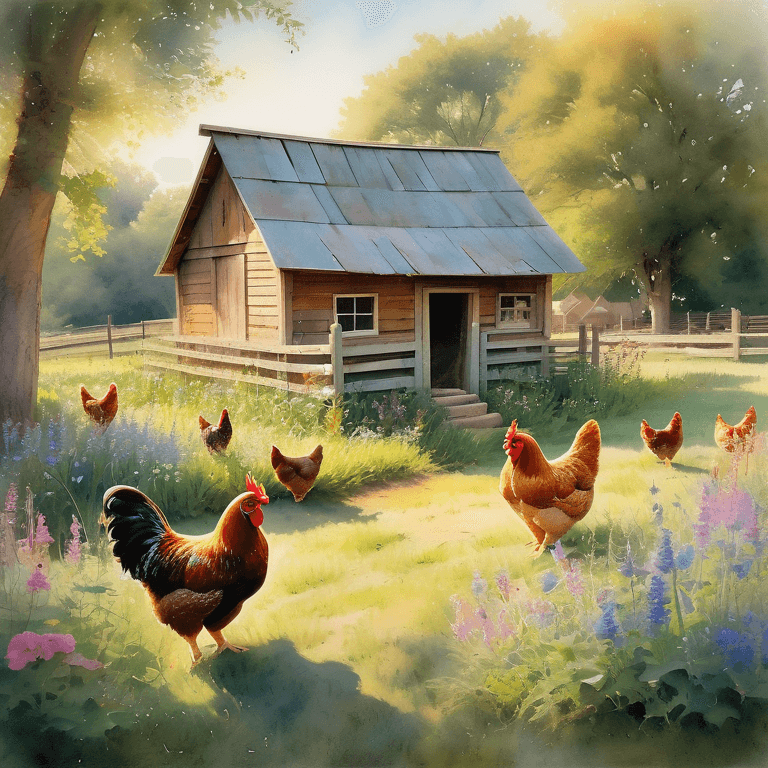

Chicken Arks 101: A Beginner's Guide
Introduction
Thinking about starting your own backyard chicken farming venture? Dive into the world of chicken arks with our comprehensive guide. From coop essentials to maximizing egg production, we've got you covered. Quality construction, free shipping, and top-notch customer service -- we ensure the best possible care for your flock. Whether you're a beginner or seasoned pro, our blog will equip you with the knowledge to create a safe and comfortable space for your feathered friends. Welcome to the ultimate chicken coop resource!
Understanding Chicken Arks: An Overview
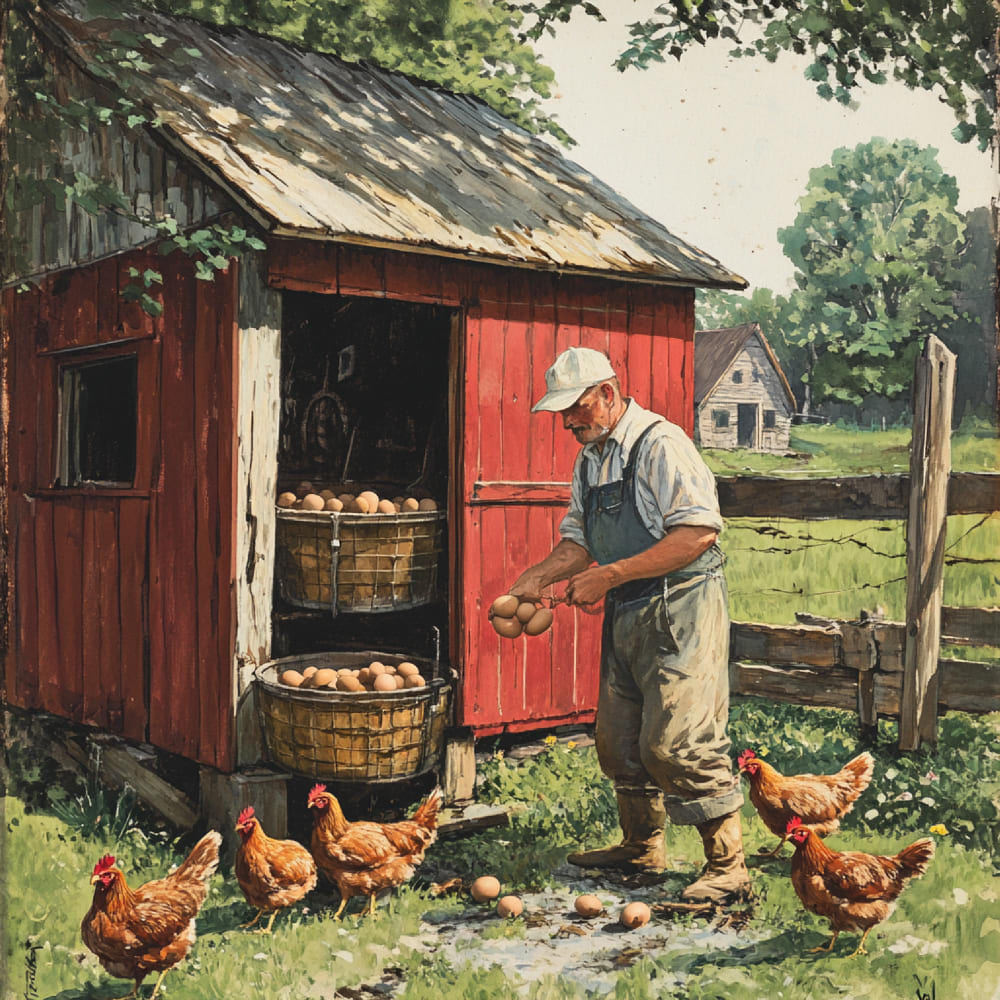
Chicken arks, also known as chicken coops, are essential for backyard chicken farming. These structures provide a safe and comfortable space for your flock to thrive. With features like ventilation, waterproofing, and predator protection, chicken arks ensure the best possible care for your poultry. From coop accessories to durable construction, a well-designed ark supports egg production and overall poultry health. Understanding the key components and benefits of chicken arks is crucial for any aspiring chicken keeper.
The Benefits of Using a Chicken Ark in Your Garden
Creating a secure and comfortable environment, a chicken ark offers your flock protection from predators and adverse weather conditions. These arks are mobile, allowing your chickens to access fresh grazing regularly, promoting their well-being. With superior ventilation and quality construction, your chickens will thrive, resulting in optimal egg production. By keeping chickens in a safe and controlled space, you can ensure they receive the best possible care while enhancing your backyard chicken farming experience.
Key Features of a Well-Designed Chicken Ark
Sturdy construction ensuring durability and predator protection, ample ventilation for optimal air circulation, and waterproof materials for all-weather suitability are key features of a well-designed chicken ark. Additionally, a spacious roosting area and a secure ramp for easy access stand out. Ensuring the utmost comfort for your flock, these features promote egg production and overall poultry care. Invest in a chicken ark with these essential attributes for the best possible care and hassle-free maintenance.
Preparing for Your First Chicken Ark

Essential Considerations Before Building or Buying
Before diving into your chicken ark journey, consider factors like space for your flock and coop placement ensuring proximity to utilities. Researching local ordinances on poultry keeping is crucial, as regulations vary. Assess your budget for a well-crafted coop that offers longevity. Reflect on the future growth of your flock to ensure adequate space in the coop. Prioritize predator-proofing measures. Select a suitable location with ample sunlight and access to water sources for optimal chicken well-being.
Essential Considerations Before Building or Buying
Before investing in a chicken ark, consider the size of your flock and the available space in your backyard. Evaluate the coop's durability, waterproofing, and ventilation for optimal poultry care. Research reputable suppliers that offer quality construction and excellent customer service. Ensure the coop provides sufficient room for your hens to roam and lay eggs comfortably. Prioritize features like easy access for cleaning, integrated waterer and feeder systems, and sturdy ramps for the chickens.
Selecting the Right Location for Optimal Health and Safety
When choosing a location for your chicken ark, prioritize areas with ample sunlight, good drainage, and protection from predators. Optimal positioning enhances both the well-being of your flock and the safety of your setup. Consider proximity to your residence for ease of access during daily care routines. Ensure the ground is level to prevent structural issues and water pooling. Keeping these factors in mind will provide a conducive environment for your chickens to thrive and stay secure.
Equipment and Resources You'll Need
Basic tools and quality materials are essential for constructing a chicken ark. Ensure you have a hammer, nails, screws, and a screwdriver for assembly. Sturdy wood or metal for the frame is crucial, along with wire mesh for protection. Additionally, consider a waterer, feeder, and a ramp for your chickens' comfort and convenience. Ventilation and insulation materials will promote a healthy environment. Opt for products with warranties for added security and peace of mind. Consider expert assistance for optimal setup.
Basic Tools and Materials for DIY Enthusiasts
For those inclined towards DIY projects, essential tools like a tape measure, drill, and hammer are fundamental. When it comes to constructing a chicken ark, materials such as sturdy wood, galvanized screws, chicken wire, and waterproof paint are crucial. Ventilation is key, so a jigsaw for creating openings is handy. Ensuring your DIY chicken ark is predator-proof may require a staple gun for securing the chicken wire. These basic tools and materials lay the foundation for a successful DIY chicken ark project.
Recommended Ready-Made Chicken Arks for Beginners
When starting your chicken-keeping journey, opting for a recommended ready-made chicken ark can ease the setup process. Look for quality construction with features like proper ventilation, durable waterproof materials, and ample space for your flock. Consider brands that offer good customer service, warranty, and accessories included. Popular options like OverEZ Chicken Coop or PawHut provide beginner-friendly solutions for backyard poultry care, ensuring your chickens receive the best possible shelter with minimal effort.
Step-by-Step Guide to Setting Up Your Chicken Ark
Assembling your chicken ark involves key steps:
Step 1: Build the base and frame securely.
Step 2: Add the house section and enclosed run for your flock.
Step 3: Ensure predator-proofing with sturdy locks.
Step 4: Provide adequate ventilation and lighting.
Follow these steps meticulously for a successful setup.
Step 1: Assembling the Base and Frame
To begin constructing your chicken ark, start with assembling the base and frame. This foundational step is crucial for the overall stability and durability of the structure. Ensure the pieces fit securely and use appropriate fasteners for a sturdy foundation. Pay attention to square feet dimensions for ample space. Quality construction is key to providing the best possible care for your flock. As you progress through this step, remember to consider ventilation and waterproofing to maintain a comfortable environment for your chickens.
Step 2: Adding the House Portion and Run
When adding the house portion and run to your chicken ark, ensure that the design allows for easy access for cleaning and egg collection. Incorporate features such as roosting bars and nesting boxes for your chickens' comfort. Opt for durable materials that provide adequate ventilation and protection from the elements. Consider the space required per chicken based on industry standards for optimal egg production. Remember to prioritize the well-being of your flock when setting up this essential area of the chicken ark.
Step 3: Securing the Structure for Predator Protection
To safeguard your chickens from predators, reinforce your chicken ark with durable materials and secure locks. Ensure any openings are predator-proof and inspect regularly for weak spots. Opt for predator-resistant wire mesh and bury it at least 12 inches below ground to prevent digging. Consider installing motion sensor lighting or alarms for added protection.
Step 4: Implementing Ventilation and Lighting Solutions
Proper ventilation and lighting are essential for creating a healthy and comfortable environment for your chickens in the chicken ark. Ventilation helps to remove moisture and prevent the buildup of harmful bacteria. It also allows for the exchange of fresh air, reducing the risk of respiratory diseases. Waterproofing the chicken ark is important to protect it from rain and other weather elements. This can be done by using waterproof materials and ensuring that the coop is properly sealed. Lighting is also important for the well-being of your chickens. Natural light helps to regulate their circadian rhythms and encourages consistent egg laying. It also provides warmth during the winter months. Consider installing windows or skylights in the chicken ark to allow for natural light. Additionally, you can use artificial lighting to supplement natural light and ensure that your chickens have enough light throughout the day.
Daily and Weekly Maintenance Routines
Maintaining a clean and well-maintained chicken ark is crucial for the health and well-being of your chickens. Daily maintenance routines should include checking on your chickens, replenishing food and water, and collecting eggs. Weekly maintenance routines should include cleaning the coop, removing any bedding or droppings, and replacing it with fresh bedding. It is also important to inspect the coop for any signs of damage or wear and tear. Regular maintenance will help prevent the spread of diseases and ensure a clean and comfortable environment for your chickens.
Cleaning and Sanitation Practices
Keeping a clean chicken ark is essential for the health and well-being of your chickens. Regular cleaning and sanitation practices help prevent the spread of diseases and maintain a hygienic environment. Start by removing any bedding or droppings from the coop using a shovel or rake. Dispose of the waste properly, away from your chickens and garden. After removing the waste, clean the inside of the coop with a mild detergent or disinfectant solution. Scrub the surfaces and rinse thoroughly with water. Allow the coop to dry before adding fresh bedding. It is also important to regularly inspect and maintain the coop for any signs of damage or wear and tear. This includes checking for loose or broken boards, ensuring that the coop is predator-proof, and repairing any leaks or gaps. By practicing good cleaning and sanitation practices, you can keep your chickens healthy and prevent the spread of diseases.
Monitoring Chicken Health and Well-being
Monitoring the health and well-being of your chickens is crucial for providing them with the best possible care. Regularly observe your chickens for any signs of illness or distress. This includes monitoring their behavior, appetite, and appearance. Look out for symptoms such as lethargy, loss of appetite, abnormal droppings, or any physical injuries. If you notice any concerns, consult a veterinarian who specializes in poultry health. It is also important to ensure that your chickens have access to clean water, nutritious food, and a comfortable environment. Provide them with a balanced diet that includes a mix of grains, vegetables, and protein. Regularly check their feed and water supply to ensure it is fresh and not contaminated. By monitoring your chicken's health and well-being, you can catch any issues early and provide the necessary care to keep them healthy and happy.
Expanding Your Chicken Ark Setup
If you are considering expanding your chicken ark setup, there are a few things to consider. First, assess the available space in your backyard and determine if it can accommodate a larger chicken coop. Consider the number of chickens you want to keep and ensure that they will have enough space to roam and nest comfortably. A larger chicken coop will also require additional maintenance and cleaning. It is important to ensure that you have the time and resources to properly care for a larger flock. Additionally, consider the compatibility of the existing flock with new chickens. Introducing new chickens to an existing flock can be a delicate process and should be done gradually to minimize stress and aggression.
When and How to Scale Up
Scaling up your chicken ark and increasing the size of your flock can be an exciting endeavor. However, it is important to do so at the right time and in the right way. Before scaling up, assess your current chicken coop and ensure that it can accommodate a larger flock. Consider factors such as space, ventilation, and nesting areas. If your current coop is not suitable for a larger flock, consider investing in a larger chicken coop or expanding your existing one. When introducing new chickens to an established flock, it is important to do so gradually. Quarantine new birds for a few weeks to ensure they are healthy and free from any diseases. Introduce them to the existing flock slowly, allowing them to get used to each other's presence. Monitor their interactions closely and be prepared to separate any aggressive birds. By scaling up your chicken ark in a careful and strategic manner, you can increase egg production and enjoy the benefits of a larger flock.
Integrating More Chickens into Your Ark
Integrating new chickens into an existing flock requires careful planning and consideration. Chickens are social animals, but they can be territorial and aggressive towards newcomers. To successfully integrate new chickens, start by quarantining them for a few weeks to ensure they are healthy and free from any diseases. This will also give them time to acclimate to their new environment. When introducing the new chickens to the existing flock, do so gradually and under supervised conditions. Allow the chickens to interact through a wire barrier or separate enclosure before fully integrating them. Monitor their interactions closely and be prepared to separate any aggressive birds. It is also important to provide enough space, food, and water for all the chickens in the flock. By following these steps, you can successfully integrate new chickens into your existing flock and promote a harmonious social dynamic.
Troubleshooting Common Chicken Ark Issues
Owning a chicken ark comes with its own set of challenges. Fortunately, many common issues can be easily resolved with some troubleshooting and regular coop maintenance. One common issue is predation, which can be addressed by reinforcing the coop with predator-proof fencing, covering windows with mesh, and using motion-activated lights or alarms. Weather-related challenges, such as extreme temperatures or heavy rain, can be mitigated by ensuring your coop is weatherproof and providing proper ventilation. Regular maintenance, such as cleaning and inspecting the coop for damage, can help prevent or address many other issues. By staying proactive and addressing problems promptly, you can ensure the safety and well-being of your chickens in the chicken ark.
Addressing Predation and Security Concerns
Keeping your chickens safe from predators is essential for their well-being. To address predation concerns, it is important to reinforce the security of your chicken ark. Start by securing the perimeter with predator-proof fencing, burying it several inches underground to prevent digging. Cover windows and vents with mesh to prevent entry by small predators. Consider using electric fencing or motion-activated lights to deter larger predators. Regularly inspect the coop for any signs of damage or weakness and repair them promptly. It is also important to secure the coop at night by closing all doors and windows. Additionally, consider using a predator protection kit, which can prevent predators from digging under the coop. By taking these security measures, you can protect your chickens from predators and provide them with a safe and secure environment.
Dealing with Weather-Related Challenges
Weather-related challenges can pose risks to the health and well-being of your chickens. To ensure their safety, it is important to weatherproof your chicken coop. Start by choosing durable and weather-resistant materials for the construction of the coop. This includes using waterproof roofing materials and treating the wood with a weatherproof sealant. Insulate the coop to provide warmth during colder months and adequate ventilation to prevent overheating in hotter months. Regularly inspect the coop for any signs of damage or wear and tear, such as loose boards or leaks, and repair them promptly. By making your chicken coop weatherproof and durable, you can protect your chickens from the elements and provide them with a comfortable living environment.
Conclusion
In conclusion, Chicken Arks provide a practical and efficient solution for raising chickens in your garden. Understanding the benefits, key features, and maintenance routines are crucial for a successful setup. Whether you choose to build your own or opt for a ready-made option, proper preparation and attention to detail are essential. By following a step-by-step guide and being proactive in addressing common issues, you can create a safe and comfortable environment for your feathered friends. Expand your setup gradually, considering factors like space and integration of more chickens. For more expert tips and insights on Chicken Arks, subscribe to stay updated on best practices and innovative ideas.
Frequently Asked Questions
How many chickens can comfortably fit in a standard chicken ark?
The number of chickens that can comfortably fit in a standard chicken ark depends on the square feet of space available. As a general guideline, allow for 2-3 square feet of floor space per chicken in the coop. This includes space for roosting, nesting, and moving around. Keep in mind that larger breeds may require more space. It is also important to consider the compatibility of the flock, as overcrowding can lead to stress and aggression.
What are the best materials for building a DIY chicken ark?
When building a DIY chicken ark, it is important to choose materials that are durable and weather-resistant. Pressure-treated lumber or plywood are commonly used for the frame and walls. For the roof, consider using metal or asphalt shingles. Ensure that all materials are of high quality and provide proper insulation and ventilation for the health and comfort of your chickens.
How do I protect my chicken ark from predators?
To protect your chicken ark from predators, reinforce the coop with predator-proof fencing, cover windows and vents with mesh, and use motion-activated lights or alarms. Regularly inspect the coop for signs of damage and repair them promptly. Choose durable materials that can withstand predator attacks.
Can chicken arks be moved around the garden?
Some chicken arks are designed to be mobile and can be moved around the garden. These mobile chicken arks are often equipped with wheels or handles for easy maneuverability. However, not all chicken arks are mobile, so it is important to choose a coop that is specifically designed for portability if you wish to move it around.
How often should I clean the chicken ark?
Cleaning and maintaining your chicken ark is an essential part of poultry care. Regular cleaning helps to prevent the buildup of bacteria and parasites that can harm your chickens. It is recommended to clean the coop at least once a week, removing any droppings, replacing bedding, and sanitizing the coop. This not only ensures the health of your chickens but also maintains the quality of the eggs they produce.
Are chicken arks suitable for all climates?
Chicken arks are designed to be weatherproof and suitable for all climates. Proper ventilation is crucial to prevent moisture buildup and maintain a comfortable environment for your chickens. Additionally, chicken arks are built to withstand harsh weather conditions and provide shelter for your chickens. Their durability ensures that they can withstand varying climates and protect your flock.
What should I do if my chickens aren't using the nesting boxes?
If your chickens aren't using the nesting boxes, there could be several reasons for this behavior. One possibility is that the nesting boxes are not comfortable or appealing to the chickens. Ensure that the nesting boxes are clean, lined with appropriate bedding, and located in a quiet and secluded area of the coop. You can also try placing fake eggs or golf balls in the nesting boxes to encourage the chickens to lay their eggs there.