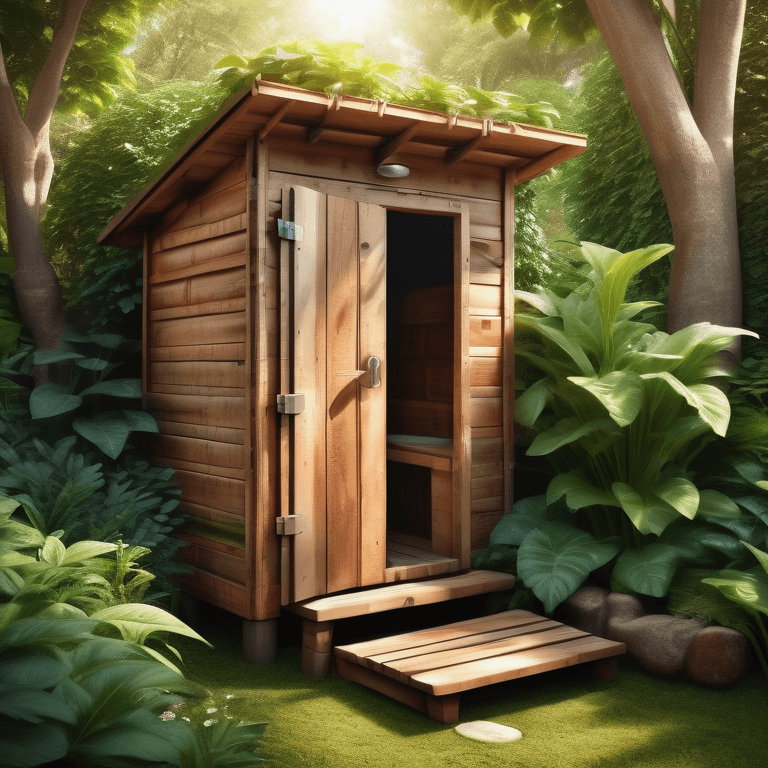
Uncover the Best DIY Composting Toilet Techniques
Introduction
Composting toilets offer an eco-friendly and sustainable alternative to conventional flush toilets. These innovative toilets break down organic matter, including human waste, into nutrient-rich compost through a natural composting process. DIY composting toilets are becoming increasingly popular as they allow individuals to take control of their waste management and reduce their impact on the environment. By building their own composting toilets, people can create an efficient and cost-effective solution for managing human waste.
Crafting Your Eco-Friendly Throne
Crafting Your Eco-Friendly Throne
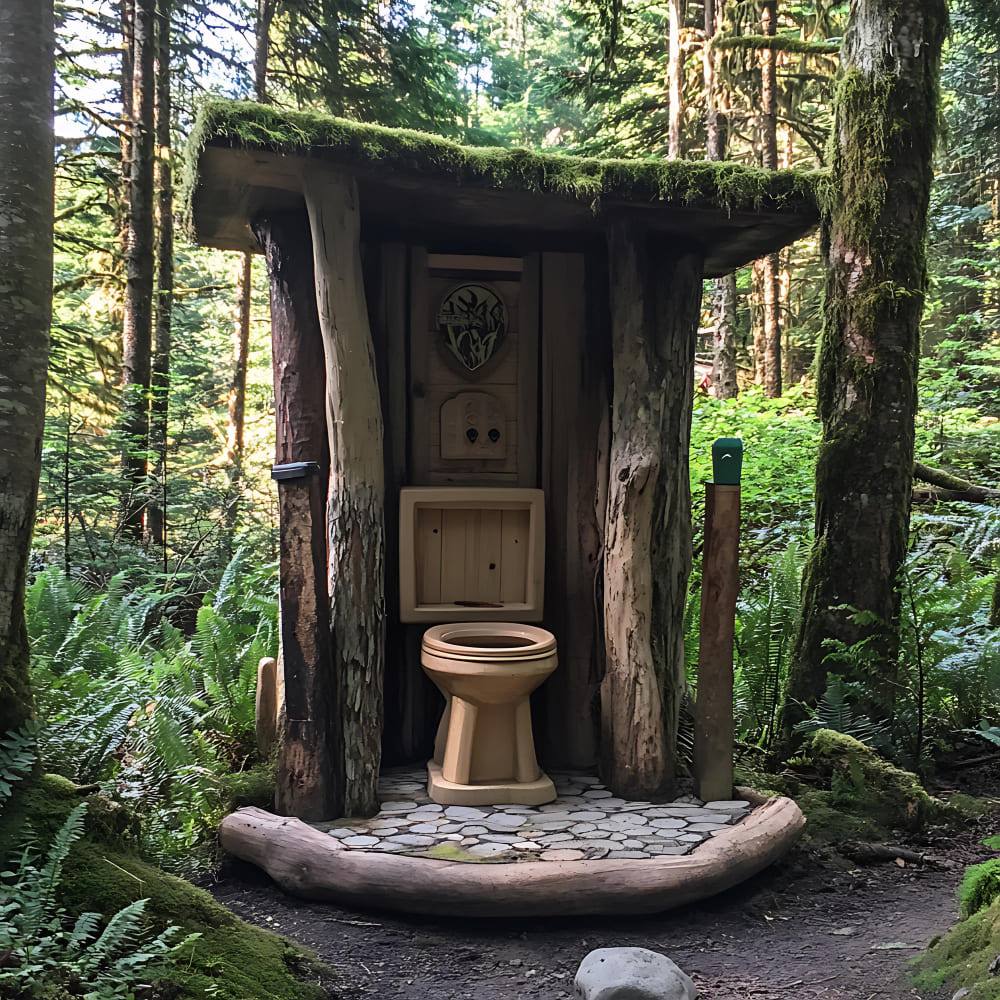
If you're ready to embrace the DIY approach and build your own composting toilet, you'll need a few essential components. The first step is to have a toilet seat that can be mounted on a sturdy structure. This will provide a comfortable and functional seat for your composting toilet. Next, you'll need a cover material to help manage odors and absorb liquids. Common cover materials include sawdust, wood shavings, or coconut coir. These materials not only help in odor control but also aid in the composting process.
Why Choose a DIY Composting Toilet?
Why Choose a DIY Composting Toilet?
There are several reasons why DIY composting toilets are a popular choice for sustainable waste management. Firstly, they are eco-friendly and reduce the strain on water resources as they don't require flushing. Secondly, they provide a sustainable solution for managing human waste by converting it into nutrient-rich compost. This compost can be used to enrich the soil and support the growth of plants. Additionally, DIY composting toilets are cost-effective compared to traditional flush toilets, as they don't require plumbing infrastructure or costly maintenance. By opting for a DIY composting toilet, individuals can take an active role in reducing their environmental impact and promoting sustainable waste management practices.
The Basics of Building a Composting Toilet
The Basics of Building a Composting Toilet
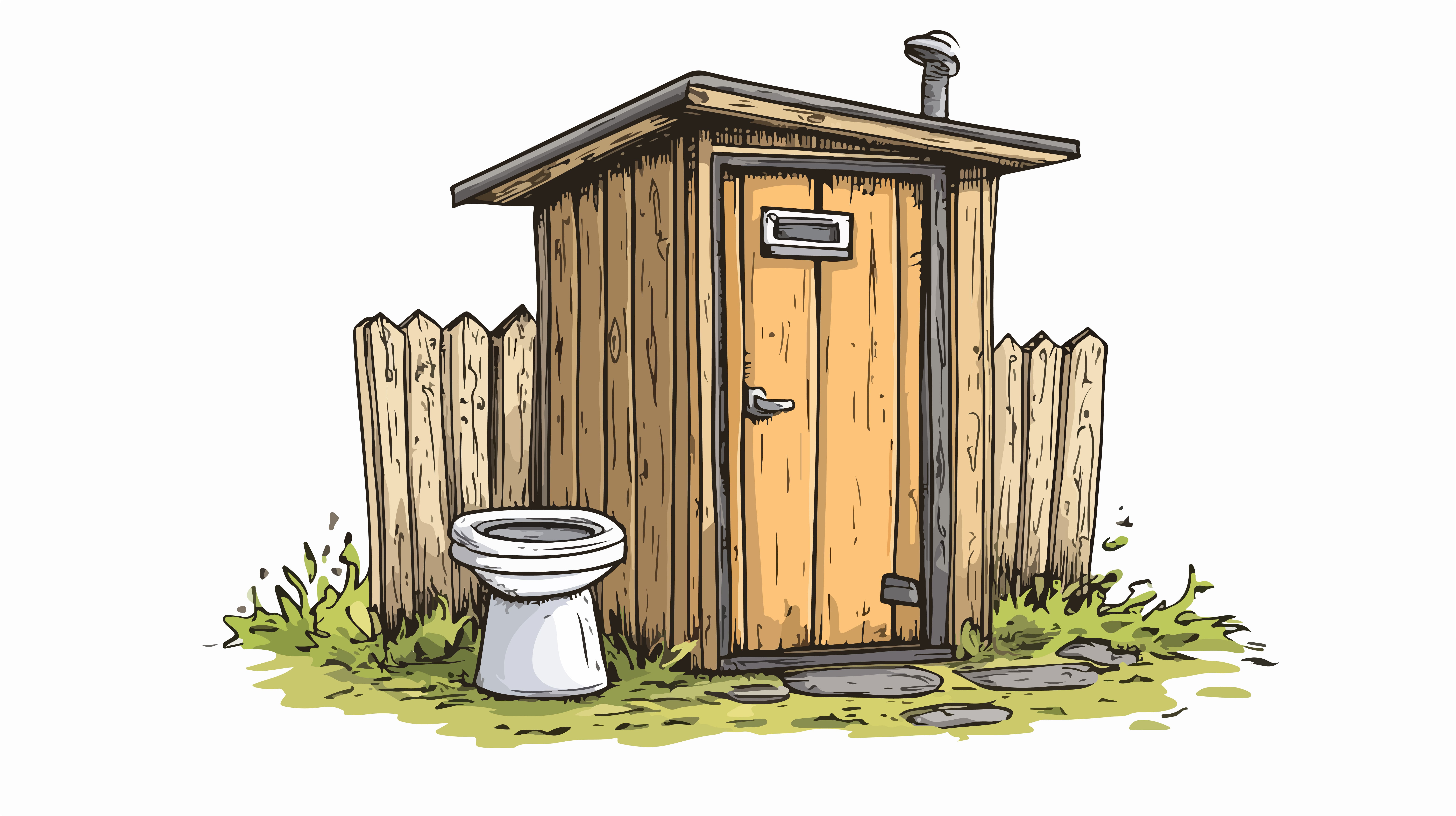
Building a composting toilet can be a straightforward DIY project. The basic components of a composting toilet include a toilet box, a cover material, and organic matter. The toilet box serves as the structure that holds the human waste and cover material. It can be constructed using plywood or other suitable materials. The cover material, such as sawdust or wood shavings, is added after each use to help control odors and facilitate the composting process. Organic matter, including human waste and other biodegradable materials like kitchen scraps and dry leaves, is added to the toilet box. Over time, the organic matter breaks down into compost through the action of microorganisms, heat, and time. This compost can then be used as fertilizer for plants or returned to the earth to complete the natural cycle of waste decomposition. Choosing the right materials and maintaining the composting process are key to the success of a DIY composting toilet.
Selecting the Right Materials
Selecting the Right Materials
Selecting the right materials for your DIY composting toilet is crucial to ensure its effectiveness and sustainability. When choosing materials, it's important to prioritize sustainability and eco-friendliness. For the toilet box, opt for durable and moisture-resistant materials such as plywood or recycled plastic. For the cover material, consider using sustainable options like sawdust from sustainably harvested wood or coconut coir. These materials not only help control odors but also contribute to the composting process. Additionally, using organic and biodegradable materials for the composting process, such as human waste, kitchen scraps, and dry leaves, promotes a more sustainable and natural approach to waste management. By selecting the right materials, you can ensure that your DIY composting toilet is both effective and environmentally friendly.
Ideal Litter Substances: Terra Preta, Humus, and Soil
Ideal Litter Substances: Terra Preta, Humus, and Soil
In the composting process of a DIY composting toilet, the choice of litter substances is essential for effective waste decomposition. Terra preta, humus, and soil are three ideal litter substances that contribute to the composting process. Terra preta, also known as Amazonian dark earth, is a highly fertile and nutrient-rich soil that enhances the composting process. Humus, the organic component of soil, contains decomposed plant and animal matter that enriches the compost with beneficial microorganisms. Soil itself contains a variety of microorganisms that aid in the decomposition of organic matter. By incorporating these litter substances into the composting toilet, you can enhance the composting process and create nutrient-rich compost that can be used to improve soil fertility in your garden or other landscaping projects.
Sourcing Sustainable Materials for Construction
Sourcing Sustainable Materials for Construction
When building a DIY composting toilet, it's important to source sustainable materials for construction. Opt for materials that are locally sourced or made from recycled content to reduce the environmental impact of the project. For the toilet box, consider using sustainably harvested wood or recycled plastic. These materials are durable and moisture-resistant, making them suitable for composting toilet construction. When selecting cover material, choose options that are derived from sustainable sources, such as sawdust from sustainably harvested wood or coconut coir. By sourcing sustainable materials, you can ensure that your DIY composting toilet is not only effective but also environmentally friendly. This approach aligns with the principles of sustainable living and promotes responsible consumption and waste management.
Step-by-Step Guide to Assembling Your Composting Toilet
Step-by-Step Guide to Assembling Your Composting Toilet
Assembling your DIY composting toilet is a straightforward process that can be completed with a few basic tools. Before starting, gather the necessary tools, including a saw, drill, screws, and measuring tape. Begin by preparing the site where you will install the composting toilet, ensuring that it is level and stable. Next, gather your materials, such as the toilet box, cover material, and organic matter. Follow the step-by-step instructions provided with your composting toilet kit or refer to online resources for detailed guidance. Assemble the toilet box, attach the toilet seat, and set up the container for urine separation if desired. Once your composting toilet is assembled, you're ready to start using it and managing your waste in an eco-friendly and sustainable way.
Preparing the Site and Gathering Tools
Preparing the Site and Gathering Tools
Before assembling your DIY composting toilet, it's essential to prepare the site where it will be installed. Choose a location that is convenient, private, and easily accessible. Ensure that the site is level and stable, as this will provide a solid foundation for your composting toilet. Clear any debris or obstacles from the area to create a clean and safe environment. Additionally, gather all the necessary tools and materials for the assembly process. These may include a saw, drill, screws, measuring tape, and any specific tools recommended by the composting toilet kit manufacturer. Having all the tools and materials ready before starting will make the assembly process smoother and more efficient. By properly preparing the site and gathering the required tools, you can ensure a successful installation of your DIY composting toilet.
Building the Base and Structure
Building the Base and Structure
Once the site is prepared and the tools are gathered, it's time to build the base and structure of your DIY composting toilet. Start by constructing a sturdy base that will support the weight of the toilet box and withstand regular use. Use durable materials such as plywood or recycled plastic to ensure the longevity of the base. Next, build the structure that will house the toilet box. This structure can be as simple or elaborate as you desire, but it should provide a stable and comfortable space for the user. Consider adding features such as a hinged lid or decorative elements to enhance the aesthetics of the composting toilet. By carefully constructing the base and structure, you can create a functional and visually appealing DIY composting toilet that meets your needs.
Understanding the Science Behind Composting Toilets
Understanding the Science Behind Composting Toilets
Composting toilets operate on the principles of natural decomposition and the action of microorganisms. Understanding the science behind composting toilets is essential for their effective use. When waste is added to a composting toilet, it undergoes a composting process facilitated by a diverse community of microorganisms. These microorganisms break down the organic matter, including human waste, into compost through the processes of decomposition and nutrient cycling. The composting process requires the right balance of moisture, oxygen, and temperature to support the growth and activity of microorganisms. By understanding the science behind composting toilets, individuals can make informed decisions about the design, operation, and maintenance of their DIY composting toilets.
How Composting Toilets Utilize Microorganisms
How Composting Toilets Utilize Microorganisms
Composting toilets harness the power of microorganisms to break down organic matter, including human waste, into compost. These microorganisms, including bacteria, fungi, and other decomposers, play a vital role in the composting process. When waste is added to a composting toilet, microorganisms begin breaking down the organic matter, consuming nutrients, and releasing byproducts. The activity of microorganisms generates heat, which helps accelerate the decomposition process. To create the ideal conditions for microorganisms, composting toilets require the right balance of moisture, oxygen, and temperature. By supporting the growth and activity of microorganisms, composting toilets efficiently transform organic matter into nutrient-rich compost. Understanding the role of microorganisms in the composting process can help individuals optimize the operation and maintenance of their DIY composting toilets.
The Role of Terra Preta, Humus, and Soil in Composting
The Role of Terra Preta, Humus, and Soil in Composting
In the composting process, litter substances such as terra preta, humus, and soil play a significant role. Terra preta, also known as Amazonian dark earth, is a highly fertile soil that enhances the composting process by providing essential nutrients and beneficial microorganisms. Humus, the organic component of soil, contributes to the composting process by releasing nutrients and supporting the growth of microorganisms. Soil itself contains a diverse range of microorganisms that aid in the decomposition of organic matter. By incorporating these litter substances into the composting toilet, individuals can enhance the composting process and produce high-quality compost. The addition of terra preta, humus, and soil fosters nutrient cycling, provides a favorable environment for microorganisms, and contributes to the overall effectiveness of the composting process.
Pros and Cons of DIY Composting Toilets
Pros and Cons of DIY Composting Toilets
Like any system, DIY composting toilets have their advantages and disadvantages. On the positive side, DIY composting toilets offer an eco-friendly and sustainable solution for waste management. They reduce water consumption and can produce nutrient-rich compost for use in gardens or landscaping projects. DIY composting toilets are also cost-effective and allow individuals to take control of their waste management. However, they require regular maintenance, including emptying and managing the composting process. Additionally, some people may have concerns about odor control or the handling of human waste. By considering the pros and cons, individuals can make an informed decision about whether a DIY composting toilet is the right choice for their needs.
Conclusion
Advantages: Environmental and Financial Benefits
Composting toilets offer advantages, both in terms of environmental sustainability and financial savings. From an environmental perspective,ing toilets help conserve water by eliminating the need for flushing. Traditional toilets use a significant amount of clean drinking water for each flush, contributing to water scarcity in many regions.
By using a DIY composting toilet, you can reduce your water consumption and contribute to water conservation efforts. Additionally, composting toilets promote the recycling of organic waste, including human waste, into nutrient-rich compost. This helps reduce the amount of waste that ends up in landfills, minimizing environmental pollution and greenhouse gas emissions.
From a financial perspective, DIY composting toilets offer long-term cost savings. Traditional flush toilets require ongoing water supply and sewage system maintenance, which can be expensive. DIY composting toilets have minimal maintenance requirements and can save you money on water bills and sewage system fees.
Overall, DIY composting toilets provide not only environmental benefits but also financial advantages, making them a sustainable and cost-effective choice for eco-conscious individuals.
Disadvantages: Maintenance and Misconceptions
While DIY composting toilets have many advantages, it's important to consider the potential disadvantages and challenges associated with their maintenance and address common misconceptions.
Maintenance is a crucial aspect of DIY composting toilets. It's essential to maintain the proper balance of organic matter, moisture, and air in the composting system to ensure efficient decomposition and odor control. Regularly adding cover materials, such as sawdust or wood shavings, and monitoring moisture levels are necessary to prevent odor and maintain a healthy composting process.
Another challenge is dealing with the misconception that composting toilets are unsanitary or smelly. With proper maintenance and the use of cover materials, composting toilets can be odorless and hygienic. It's essential to educate yourself and others about the benefits and proper use of composting toilets to overcome these misconceptions.
By understanding and addressing these maintenance challenges and misconceptions, you can ensure the successful operation of your DIY composting toilet and enjoy its many benefits.
Exploring Alternatives: Similar Composting Solutions
While DIY composting toilets are a popular choice, there are other composting solutions available for those who prefer different options. These alternatives include commercial composting toilets, which are pre-built systems designed for efficient and odor-free composting.
Commercial composting toilets offer convenience and may be more suitable for individuals who are not comfortable with building their own system. These toilets often come with advanced features such as odor control mechanisms and automatic compost turning.
Additionally, there are other eco-friendly options for disposing of human waste, such as incinerating toilets or dry toilets. These systems use heat or evaporation to reduce waste volume and eliminate odor, offering alternative methods for managing human waste in environmentally friendly ways.
When considering alternatives to DIY composting toilets, it's important to weigh the pros and cons of each option and choose the solution that best fits your needs and preferences.
Comparing DIY Composting Toilets to Other Eco-Friendly Options
When comparing DIY composting toilets to other eco-friendly options, several factors come into play. DIY composting toilets offer the advantage of customization and flexibility, allowing you to design a system that suits your specific needs and space. With DIY systems, you have control over the materials used, maintenance routines, and composting process.
Commercial composting toilets, on the other hand, provide the convenience of a pre-built system. These toilets often come with features designed to enhance odor control and composting efficiency. However, they may be more expensive and may not offer the same level of customization as a DIY system.
Incinerating toilets and dry toilets offer alternative methods of waste disposal. Incinerating toilets use high temperatures to burn waste and reduce it to ash, while dry toilets rely on dehydration and decomposition to manage waste. These options may be suitable for individuals who prefer a different approach to composting or have specific space or regulatory constraints.
Ultimately, the choice between DIY composting toilets and other eco-friendly options depends on individual preferences, budget, and the specific requirements of the space where the system will be installed.
When to Consider a Commercial Composting Toilet
While DIY composting toilets are a popular choice for many individuals, there are situations where a commercial composting toilet may be more suitable. It's important to consider various factors when deciding whether to opt for a commercial system.
Commercial composting toilets are ideal if you prefer a pre-built system that offers convenience and advanced features. These toilets often come with odor control mechanisms, automatic compost turning, and other features designed to enhance the composting process.
If you have limited space or are not comfortable building your own system, a commercial composting toilet may be a better option. These toilets are designed to be compact and can be installed in smaller spaces such as tiny homes or cabins.
Additionally, if you have specific regulatory or permitting requirements, a commercial composting toilet may be necessary to ensure compliance with local regulations. It's important to research and understand the regulations in your area and consult with local authorities if necessary.
Consider your specific needs, space limitations, and regulatory requirements when deciding whether a commercial composting toilet is the right choice for you.
Making the Decision: Is a DIY Composting Toilet Right for You?
Deciding whether a DIY composting toilet is right for you requires careful consideration of various factors. Here are some key points to evaluate:
- Your comfort level with DIY projects: Building and maintaining a DIY composting toilet requires some level of DIY skills and comfort with handling waste materials.
- Available space: DIY composting toilets can be customized to fit different spaces, but you need to assess whether you have enough room for the required components and composting process.
- Regulatory requirements: Understand the regulations and permits needed for composting toilets in your area and ensure compliance.
- Maintenance commitment: DIY composting toilets require regular maintenance to ensure proper functioning. Assess whether you are willing to invest the time and effort required for maintenance tasks.
By evaluating these factors, you can determine whether a DIY composting toilet aligns with your skills, space availability, regulatory requirements, and maintenance commitment.
Evaluating Your Space and Commitment
Before embarking on a DIY composting toilet project, it's important to evaluate your space and commitment level. Consider the following aspects:
- Available space: Assess available space in your home or property to determine if it can accommodate a composting toilet system. Consider both the indoor and outdoor space needed for the toilet, composting bins, and storage of cover materials.
- Accessibility: Ensure that the composting toilet system is easily accessible for regular maintenance and emptying of the compost bins.
- Commitment to maintenance: DIY composting toilets require regular maintenance, such as adding cover materials, monitoring moisture levels, and emptying the compost bins. Evaluate your commitment to performing these tasks consistently.
- Regulatory considerations: Research any local regulations or permits required for installing and operating a composting toilet system in your area.
By carefully evaluating your space availability and commitment level, you can determine if a DIY composting toilet is a feasible and practical option for your needs.
Final Thoughts on Embracing a Sustainable Lifestyle
Choosing a DIY composting toilet is just one step towards embracing a more sustainable lifestyle. By taking responsibility for managing your waste and recycling it into nutrient-rich compost, you become an active participant in the circular economy.
In addition to composting toilets, there are numerous other actions you can take to reduce your environmental impact. These include conserving water, minimizing energy consumption, reducing waste, and supporting sustainable agriculture practices.
By making conscious choices in your everyday life, you can contribute to a healthier planet and inspire others to do the same. Embracing a sustainable lifestyle is not only good for the environment but also enhances your connection to nature and fosters a sense of responsibility and stewardship.
Consider the choices you make and the actions you take, and strive to live in harmony with the earth, creating a better future for generations to come.
Conclusion
In conclusion, embracing DIY composting toilets not only aligns with sustainable living but also offers environmental and financial benefits. Understanding the science behind composting toilets is key to their successful operation. While there may be maintenance and odor management considerations, the overall advantages make it a compelling choice for eco-conscious individuals. Evaluating your space and commitment level is crucial in deciding if a DIY composting toilet is right for you. By taking steps towards a more sustainable lifestyle, you contribute positively to the environment and reduce your ecological footprint. Consider the pros and cons carefully before making your eco-friendly throne a reality.
Frequently Asked Questions
How often do I need to empty my DIY composting toilet?
The frequency of emptying a DIY composting toilet depends on several factors, including the size of the system, the number of users, and the composting process used. On average, a family of three might need to empty two buckets at a time once a week.
Can I use any soil for my composting toilet?
It is recommended to use cover materials such as sawdust, wood shavings, or peat moss in a composting toilet, rather than regular soil. These materials help control odor, absorb moisture, and provide the necessary carbon-to-nitrogen ratio for effective composting.
Is a special venting system required for a composting toilet?
A special venting system is not always required for a composting toilet, but it can help control odor and promote proper air circulation. Ventilation can be achieved through a simple pipe system that directs odors outside the living space.
How do I manage odor in a DIY composting toilet?
Managing odor in a DIY composting toilet is crucial for a pleasant experience. Adding cover materials, such as sawdust or wood shavings, after each use helps control odor. It's also important to maintain proper moisture levels and ensure adequate airflow in the composting system.
Can compost from human waste be used in gardens?
Compost from human waste, also known as humanure, can be safely used in gardens. However, it's important to follow proper composting guidelines and allow the compost to fully decompose before using it. This ensures that any potential pathogens have been eliminated.
Are DIY composting toilets legal everywhere?
The legality of DIY composting toilets varies depending on local regulations and codes. It's important to research and understand the specific regulations in your area regarding composting toilets and obtain any necessary permits or approvals before installing one.
What maintenance does a DIY composting toilet require?
Composting toilets require regular maintenance to ensure proper functioning. Some essential tasks include adding cover material after each use, emptying the compost chamber when full, monitoring moisture levels, and providing proper ventilation. Regular cleaning and disinfecting are also necessary to maintain hygiene.
How does weather affect the composting process?
Weather conditions play a significant role in the composting process. Optimal temperatures between 50-70°F promote the activity of composting microorganisms. Moisture levels should be maintained between 40-60% to create the ideal environment for decomposition. Extreme temperatures or excessive moisture can disrupt the composting process and result in unpleasant odors or slow decomposition.