Crataegus Hawthorn Tree: Benefits and Care Tips
Introduction
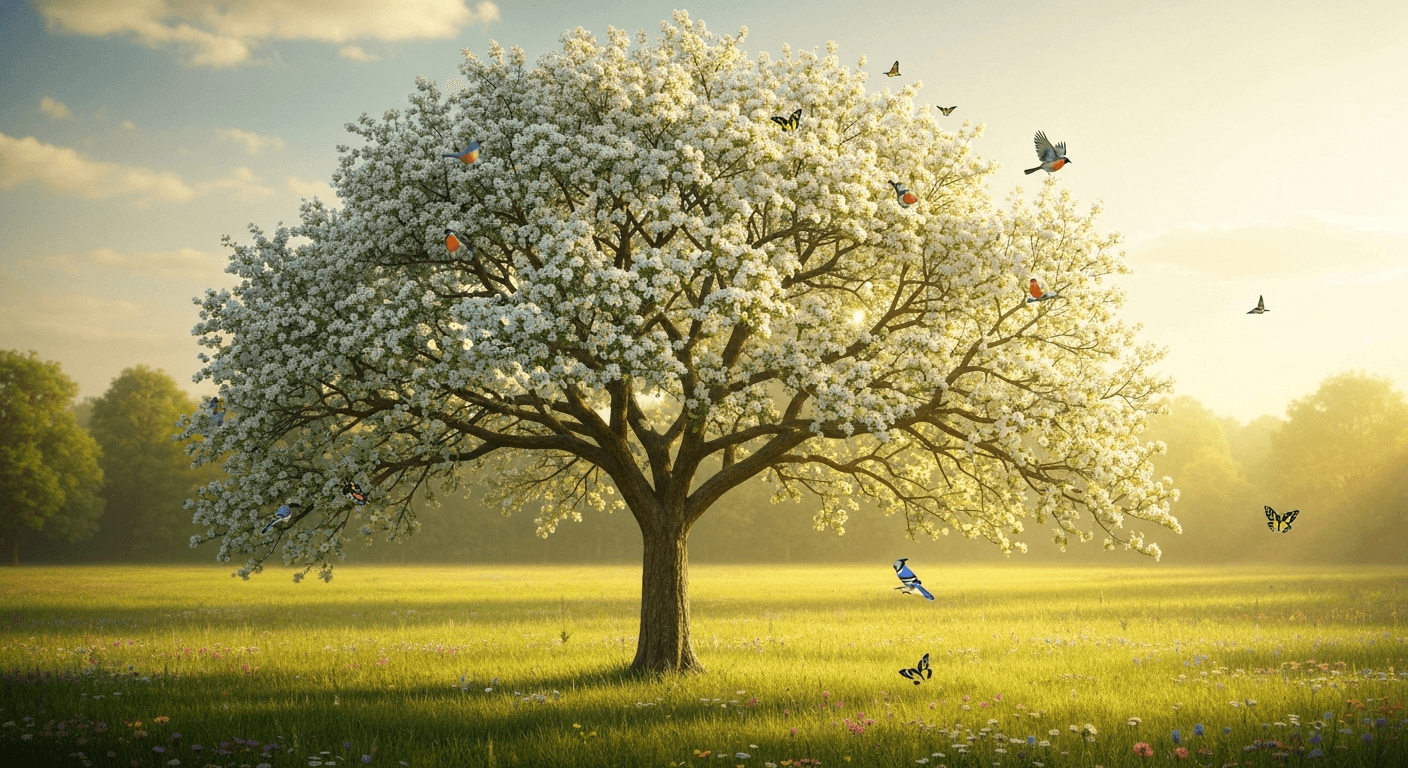
Are you looking for a strong and reliable tree that looks nice all year? A hawthorn could be just the right choice for your yard. These trees, also called crataegus, are part of the rosaceae group. That is the same group that has roses and apples. Hawthorn trees are loved because they show pretty flowers in spring. You will see bright fruit on them in the fall. This tree keeps on being strong through all the seasons. A hawthorn is easy for you to grow. You can use it at your home or at your place of work. A hawthorn tree can go in almost any spot you want something good to look at in your garden.
Understanding the Crataegus Hawthorn Tree
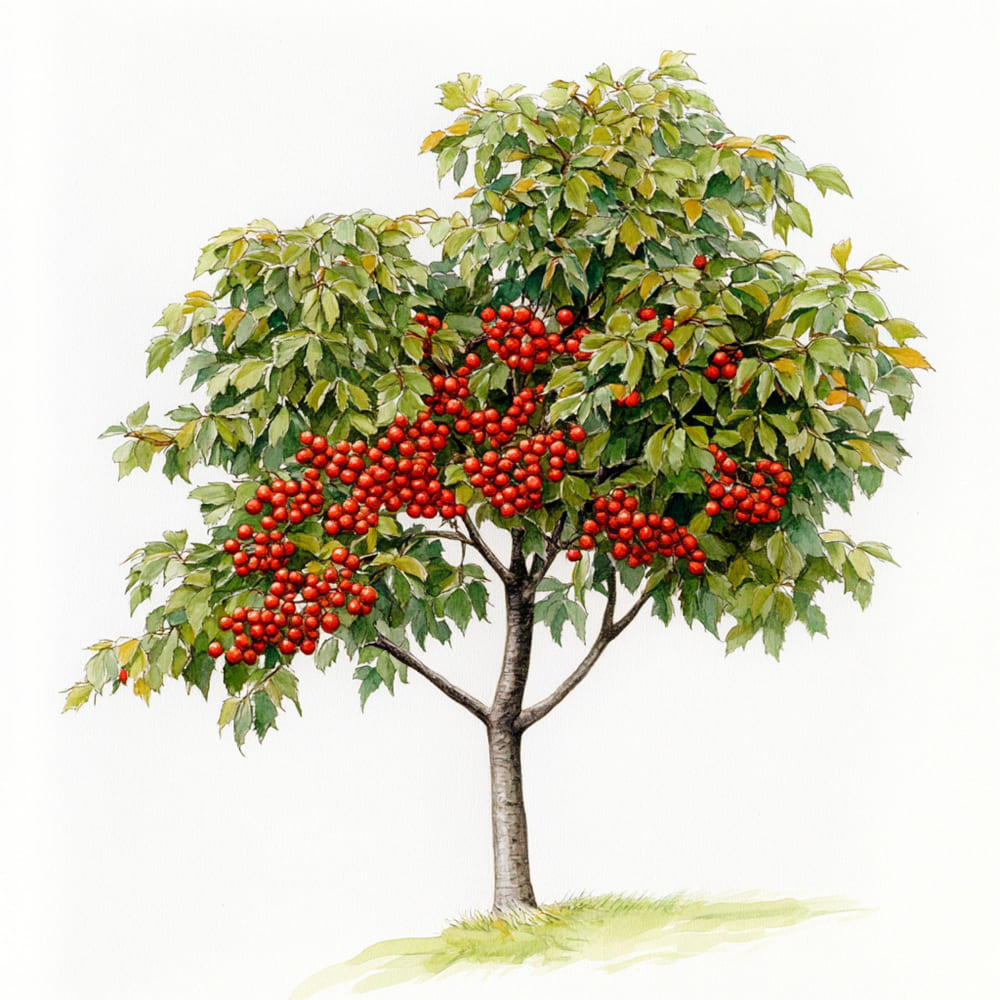
The Crataegus hawthorn is a plant that is part of a big group called the Rosaceae family. This group is known as a genus and it has many crataegus species that you can find in different parts of the world. Every kind of crataegus has something that makes it special. A lot of people like hawthorn because it looks good, but there are also many crataegus plants that have hard thorns. These thorns can get long.
These trees have been around for many years. Over time, people made many types of these trees. Some of them do not have thorns. If you know the basics about this plant, it can help you choose the best one for your yard. The text below will tell you where this plant comes from and talk about some of the top types you can get.
Botanical Overview and Native Range
The Crataegus genus is easy to find in many places. Hawthorn trees from this group grow in the temperate parts of the Northern Hemisphere. You can see these hawthorn trees in North America, Europe, and Asia. There are a lot of types, so it is likely that there will be a Crataegus hawthorn that fits your area or grows close to you. The way they do well in many places makes them a good choice.
These trees drop their leaves every year. The tops of the trees are thick. The leaves have small edges. The bark is smooth and gray when the tree is young. When the tree gets old, the bark gets more rough. A lot of the branches have thorns. These thorns are sharp and can grow up to three inches. This keeps the plant safe.
Hawthorn trees are strong and can do well outside. This makes them a good choice for most yards. If you want to help birds and insects in the area, you can plant a hawthorn. A hawthorn is also helpful if you need a strong plant for a tough spot in your yard. The hawthorn has many types, so you can find one that will work well for you.
Main Species and Popular Varieties in the United States
There are many common types of hawthorn you can see now. Also, there are a lot of crataegus spp and cultivars that people grow. These get picked because they look nice and do not get sick often. When you pick a crataegus or hawthorn, it is good to see which ones grow well in your hardiness zone.
Some of the types of hawthorn you may notice are english hawthorn, or Crataegus laevigata, and washington hawthorn, or Crataegus phaenopyrum. A very well-known kind is crataegus monogyna, which many people also call the common or singleseed hawthorn. But, this kind can be a problem if it grows out of control in some spots. You can also find other types, like crataegus douglasii. All of these are from the crataegus family.
Here are some good options that people like to use when they want to add value to their yard:
Variety Name Botanical Name Key Features Washington Hawthorn Crataegus phaenopyrum Known for its bright red berries and striking fall color. English Hawthorn Crataegus laevigata A popular street tree with white, pink, or red flowers. 'Winter King' Green Hawthorn Crataegus viridis Nearly thornless with exfoliating bark and persistent fruit. Cockspur Hawthorn Crataegus crus-galli A low-growing, wide-branched tree that forms thickets.
Ornamental Features and Garden Appeal
The look of hawthorn trees is easy to spot. They give something nice in every season. You can have hawthorn as one tree or make it into a big, thick shrub. In spring, the hawthorn trees show groups of pretty blooms that smell sweet. These blooms have five soft petals, and can be white, pink, or red.
This plant starts by showing nice flowers. After that, it grows thick green foliage. The leaves give good shade during summer. The flowers, green foliage, and strong trunk make hawthorns a good choice for your garden. They bring beauty and shape to any space. Now, let us talk more about their flowers and how they change during the year.
Flowering Characteristics and Foliage
One good thing about planting a hawthorn is that you get a lot of blooms in late spring or sometimes early spring. The flowers on the tree look like apple blossoms and smell sweet. All the branches on the tree are covered with these blooms, so the tree stands out. These blooms also get the attention of people who see the tree and bring in pollinators.
The foliage of the hawthorn is another nice thing about this plant. The leaves are green. You can see small teeth on the edges. They often have some lobes on them. This shape can be different in each crataegus species. The thick foliage makes a full and rich cover. It also makes a good background for other plants in the garden during the time it grows.
The hawthorn is easy to spot because it has pretty flowers and thick, nice-looking foliage. Hawthorn trees can give your yard a feel that is both classic and will last a long time. You can put them in a small garden near your house, add them to a new yard, or plant them in a wildflower field. No matter where you plant them, hawthorn trees will give your space beauty that stays for a long time.
Fruit, Color, and Seasonal Interest
Hawthorn trees really stand out because they look good in every season. Even when the spring flowers fall off, the trees still grab your eye. As autumn comes, many hawthorn trees show off bright fall color. You will see the leaves turn scarlet, orange, and purple. This gives a strong feel of color to your yard or garden.
After the tree makes leaves, it then shows its many bright red fruits. A lot of people like these little berries. Some people call them "haw." If you look, you might see the berries look a lot like rose hips. These bright red fruits stay on the twigs. Sometimes they last right into winter. The red color looks nice over snow. The berries are a good food source for animals and other wildlife.
Even in winter, the hawthorn is easy to spot in the garden. Its branches grow in a twisting way that looks very nice. Some hawthorn types have smooth bark, but others have bark that comes off. This mix gives the tree a good look and feel when you see it.
Ecological and Wildlife Benefits
The hawthorn tree is nice to look at. But it also gives a lot of wildlife value. In spring, the flowers bring in many pollinators. These pollinators use the flowers as a good nectar food source. When it is fall and winter, the berries show up. The berries are a great food source for many birds, like robins, waxwings, and songbirds. The hawthorn tree and its berries help a lot of wildlife during these times.
Many kinds of hawthorn are used to build hedgerows. These hedgerows work like living fences. They give homes and safe spots for many birds and animals. When you plant a hawthorn, you help the local ecosystem around you. Now, we can see how it helps wildlife and what role it has in the environment.
Attracting Pollinators and Birds
Yes, Crataegus hawthorn trees are very good for wildlife. The flowers on hawthorn trees grow close together and have a strong smell. They are also full of nectar. Because of this, bees and butterflies come to them. When you plant hawthorn trees, you give pollinators a good food source in the spring. This is an important way to help these insects.
The benefits of hawthorn trees go on well beyond one season. Many hawthorn trees have thick branches and strong thorns. These help protect songbirds, giving them a safe place to nest and stay away from harm. If you want to help songbirds, a hawthorn can be a good spot for them in your yard.
In the end, birds get to this spot because of the fruit. Here is how it works:
-
The berries are a good food source in the fall. They give energy to animals.
-
These fruits stay on the plant. They help songbirds get food in the cold winter months.
-
A lot of birds and small mammals eat hawthorn. They count on it for food.
Role in Natural Ecosystems
Hawthorn trees and bushes are a big part of life in both wild and city places. People have used hawthorn in hedgerows on farms for a long time. These hedgerows let animals move around and give support to many living things. Hawthorn helps with pest management, too, because it gives good insects a home.
The hawthorn is known in many places today for being strong. This tree can be a good street tree because it can deal with urban pollution and not-so-good soil. After it takes root, the hawthorn can also live through drought. This is why people like to plant it in spots where other trees do not grow well, like city streets or tough areas in towns.
When you put a hawthorn in your yard, it helps the area around you. This tree cleans the air. It also takes care of rainwater, so there is not too much water sitting on the ground. A hawthorn can give food and a home to many animals in the city. Even just one plant like this can make a big change.
Traditional and Practical Uses
The Crataegus hawthorn is more than just a tree that looks good. People have used it for a long time. They found ways to use many parts of the hawthorn. This includes the wood, bark, berries, and thorns. The strong wood was good for making tools. The thorns could be used as needles or pins.
The berries are often picked and used in food. Many people use them to make jellies, jams, and syrups that taste good. This way, you can keep their special flavor and have it any time of the year. Next, we will talk about other ways people use these berries and how they have been used in food over the years.
Historical Medicinal Uses of Crataegus Hawthorn
Yes, the crataegus spp, or hawthorn tree, has been used in traditional medicine for a long time. This is true in both Europe and Asia. People have used the leaves, flowers, and berries from the crataegus tree to make remedies. These parts of the plant help with many health problems. The hawthorn is well known for its health benefits.
In the past, people used hawthorn a lot for heart health. A long time ago, many people used to say that hawthorn is good for the heart. Old books often talk about it as a way to help with heart problems. Today, modern medicine asks for more strong proof and many tests. But it is clear that people have known about hawthorn and the heart for many years.
Today, hawthorn is still found in many herbal supplements. People have known about the use of hawthorn for many years. This helps hawthorn stay important for old ways and also for new health ideas. Make sure you talk to your doctor before you use any herbal remedy.
Culinary Uses and Edibility of Berries
You can eat the berries from many crataegus species. But the taste and safety can change between types. These small fruits are called haw. They feel sour when you eat them. There are big seeds in the middle. Because of this, it is better to use haw berries in cooking and not eat them raw from the branch. People say these berries taste a bit like a soft apple.
The crataegus berries can be a good choice for some recipes. So, if you want to try something new, give these haw fruits a go.
The most common way people use hawthorn berries in cooking is to make jellies, jams, wines, and syrups. When you cook this fruit, it gets soft. This helps you pull out that special taste. You can also take out the seeds easy. Chinese hawthorn, called C. pinnatifida, has big and sweet fruit. People like to use it for candies and sauces.
The chinese hawthorn and hawthorn jellies are both very popular. Lots of people use these berries in sweet and tasty ways.
If you want to pick hawthorn berries, you should make sure to:
-
look at the tree and check that it is really hawthorn,
-
pick the berries when they are a deep red,
-
use a basket or another open container,
-
check the berries for bugs or spots,
-
pick the berries during the day when you can see well,
-
wash the hawthorn berries before you eat them.
<!-- -->
-
Make sure you know the right tree to pick. It should be a safe crataegus species.
-
Get the berries in the fall, after they are ripe.
-
Cook the berries. You can use them to make jellies or syrups at home.
Growing and Planting Crataegus Hawthorn
If you want to add a hawthorn to your garden, you can do it with a few simple steps. With a little care from you, your young trees or shrub will grow strong roots and can live for many years. It does not matter if you go for a tree or a shrub, the important thing is to help young trees be healthy when they first start to grow.
Good planting habits help your crataegus spp. grow strong and look nice. You need to know the best time to plant, and you have to find a good spot for it. A few simple steps can make your hawthorn do well. Keep reading, and the next parts will show you how to plant your crataegus in the right way.
Best Planting Time and Site Selection
The best time to plant a hawthorn tree is in early spring or early fall. These times of the year feel mild, so there is not a lot of heat or cold outside. This helps the hawthorn tree get used to its new place. It lets the roots grow well. When you plant a hawthorn in early spring or early fall, the tree gets a good start and will start to grow strong.
When you pick a spot, try to find one that gets full sun. A hawthorn can grow in partial shade, but it will show good blooms in a place that gets a lot of sunlight. The more sun there is, the better the blooms will look in spring.
Pick a spot that has soil where water does not sit for a long time. Hawthorns do not do well if the roots stay wet. These trees are small, so you can put them near your house or other buildings. But if the tree has thorns, be careful. This is extra important if there are kids, pets, or a lot of people around.
Spacing, Soil, and Light Requirements
If you want your hawthorn trees to grow well, be sure to give them enough space. When you plant a line of hawthorn trees, keep about 20 to 30 feet between each one. This helps the trees have space to reach their full width. A few hawthorn types can spread to 30 feet in diameter.
When you are going to plant, dig a hole that is two or three times wider than the plant's root ball. Make sure the hole is just as deep as the root ball. The loose soil around it will help the roots to spread out easier. Hawthorns can grow in many types of soil, but they like soil that lets water drain but still holds some moisture. You can add a bit of compost to the soil too.
These trees grow best when they get full sun. More sun means they will have more flowers. They can still grow if you plant them in partial shade, but you may see fewer flowers. In the first year, give them enough moisture so they can grow strong. After that, they will do well and will not need as much care.
Essential Care Tips for a Healthy Crataegus Hawthorn
Once you put hawthorn in the ground, make sure you take good care of it. This helps it stay strong and look good. Hawthorn plants do not need a lot of work. But they can start to get some trouble from pests or get sick. If you give them good care and try to stop disease before it starts, you can fix most problems with hawthorn.
These hawthorn trees are strong and tough. When the roots have grown deep, they can get through a drought. You just have to give them a bit of care. Make sure to water the hawthorn. Give it some food. Do a little pruning when needed. If you follow these simple tips, your hawthorn trees will stay healthy and look good. Use the help here to handle common problems, even when there is little water.
Watering and Fertilization
The right way to water young trees is important for them to grow strong. In the first two years, you have to make sure your hawthorn gets enough moisture. This will help the roots grow well and make the tree healthy. It is good to give your tree about 10 gallons of water every week for every inch of the trunk's diameter. If there is not much rain, you need to water your tree more often.
Once you have put your tree into the ground, it will be strong in a drought. Give it water only when there has not been rain for a long time. To keep moisture in the soil, place a 2-inch layer of mulch around the base. The mulch should go out to the dripline. Do not stack it up against the trunk.
It is good to feed your plants one time each year in the fall. You should use a granular, slow-release kind of fertilizer that is made for trees and shrubs that bloom. This helps your plants get the food they need to grow strong and healthy. If you do this, you will see many beautiful blooms when spring comes.
Pruning, Disease Prevention, and Common Problems
Pruning your hawthorn is good for its shape and health. The best time to do this is in late winter, after the leaves have dropped off. It helps if the tree has only one main trunk. You need to cut off any branches that hang low or that cross over each other. The thorns can be sharp, so make sure you wear heavy gloves and eye protection.
Hawthorns might get some diseases like fire blight, leaf spot, powdery mildew, and rust. It is also common for them to get pests such as aphids, scale, and leafminers. A good way to deal with these pests is to pick trees that can stay healthy against diseases. If there are signs of trouble, you should keep an eye out for the following:
-
Fire blight: The leaves may turn a blackish-brown color and dry out. You need to cut off the infected branches as soon as you see them.
-
Leaf spot or rust: These can make the leaves turn yellow or get orange spots. Use special plant sprays called fungicides. Make sure there is good air movement around the plant.
-
Pests: Aphids and other small pests can often be wiped away with insecticidal soap.
It is important to take good care of your tree. If you pick up the leaves that fall and do not use too much water, it can help stop many types of fungi from growing. A tree that is strong and well is the best way to keep pests and sickness away.
Conclusion
To sum up, the Crataegus hawthorn tree is a good pick for your garden. This tree looks nice and does a lot for the environment. If you look after your hawthorn the right way, you will see it bring in pollinators and give food and homes to birds and other animals. You might also like learning about the story of this plant and how people use it in their food. When you follow the easy tips for caring for your hawthorn, it will grow strong and make your yard look good for many years. If you want to know more about how to grow or take care of your Crataegus hawthorn, feel free to ask or read more guides. This will help you get better at working with plants.
Frequently Asked Questions
Is crataegus hawthorn safe to grow around children and pets?
The Crataegus hawthorn is safe for people to have around. You can use its berries and leaves to make jellies or other remedies. But, many types of this hawthorn have long and sharp thorns. These thorns can hurt children or pets if they get too close or try to touch them. So, it is better to plant these thorny kinds away from places where kids play or walk, to keep everyone safe.
How large does a crataegus hawthorn typically grow?
A Crataegus hawthorn can grow to about 15 to 50 feet tall. The width, or what people call the canopy diameter, can be from 8 to 35 feet. It depends on which type you have. Some kinds of hawthorn can stay as a big shrub. Other hawthorns will grow into a small tree. A hawthorn like this is a good choice if you want a street tree.
Can crataegus hawthorn trees be integrated into urban gardens?
Yes, Crataegus hawthorn trees are a good choice for city gardens. A lot of these hawthorn trees can handle urban pollution well. They grow in poor soil and can stand drought after they settle in. Their small size and hardiness make them a common street tree. If you use good pest management, these hawthorn trees will do well in city places.