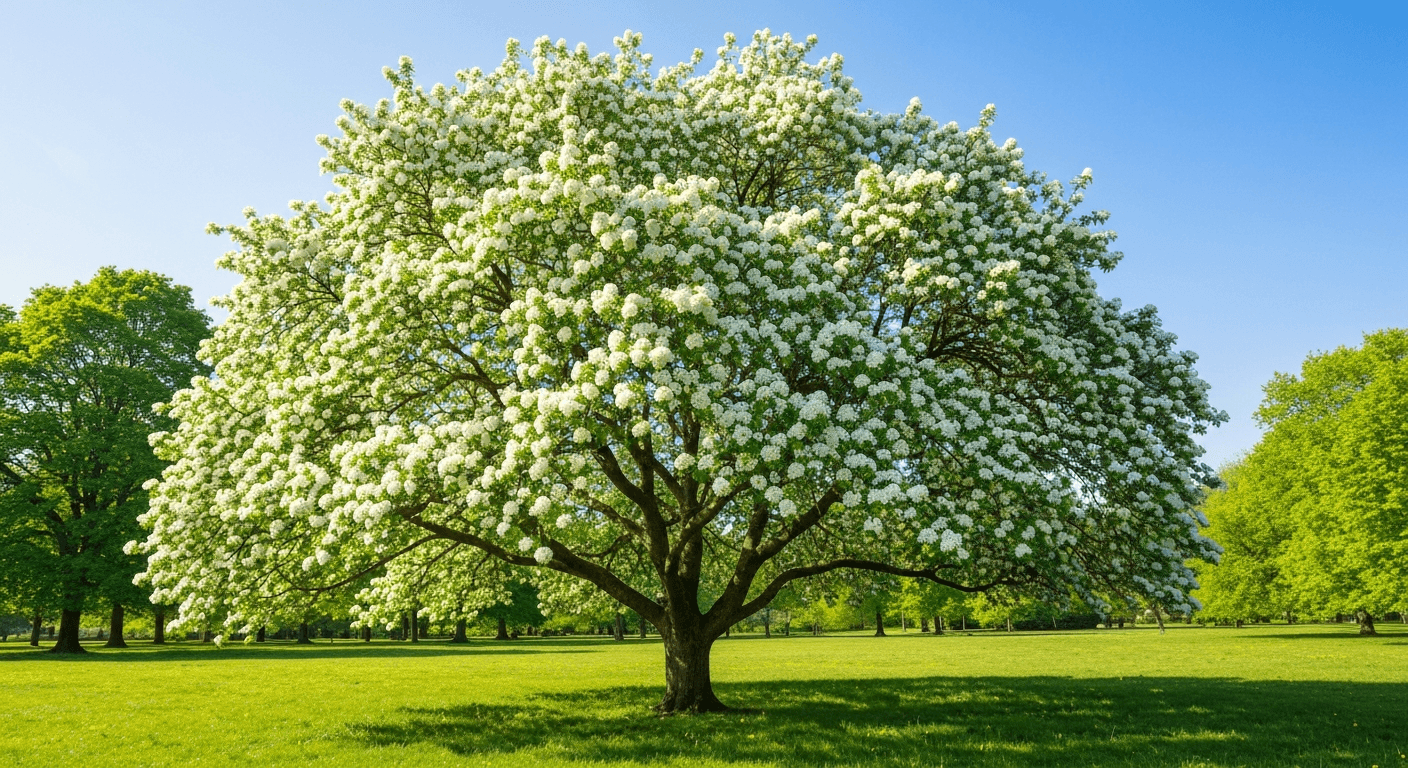
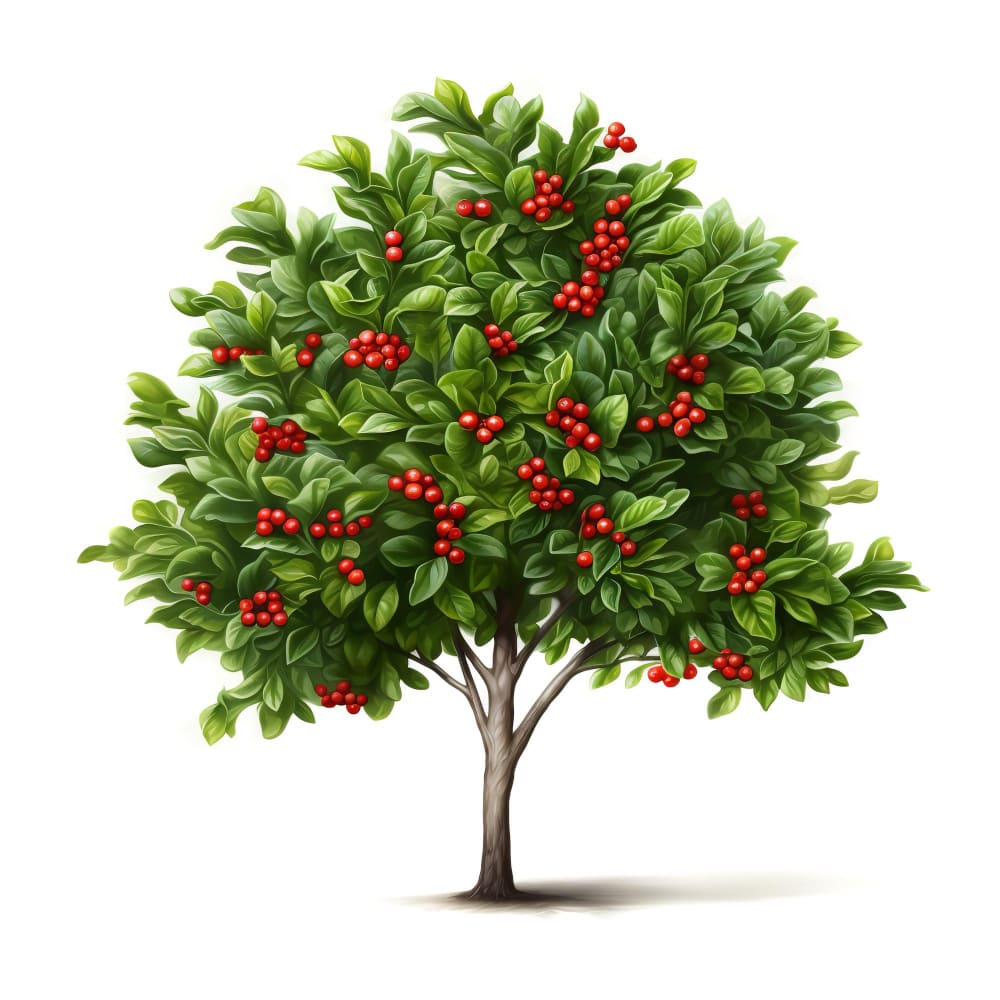
What does hawthorn look like?
What does hawthorn look like?
What does hawthorn look like?
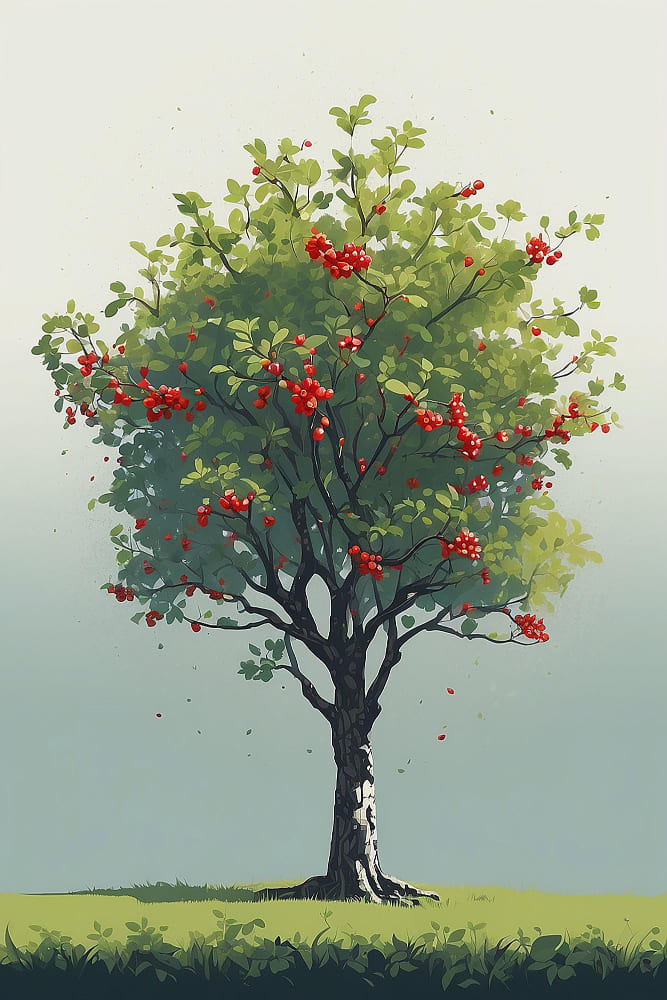
Crataegus douglasii HAWTHORN
HAWTHORN - CRATAEGUS SPP
Crataegus Trees: A Guide to Planting and Care
Introduction
Welcome to the world of Crataegus trees. You may know them as hawthorn, a favorite in many gardens across Great Britain. These plants include both shrubs and small trees, and they bring color and life to your yard. A well-known type is the common hawthorn, or Crataegus monogyna. People love this plant for its small spring flowers and bright autumn berries. Whether you are new to gardening or have been doing it for years, this guide will help you learn everything you need to know about planting and taking care of hawthorn, Crataegus monogyna, and their autumn berries.
Understanding Crataegus Trees and Their Unique Features
Crataegus is a small tree or a large shrub that is part of the Rosaceae family. This is the same group as roses and apples. Most types of crataegus grow to be about 15 to 50 feet tall. When these plants are young, the bark is smooth and grey. As they get older, the bark shows lines and cracks. A key thing people notice is the sharp thorns that appear on the branches. In the past, these thorns made crataegus great for use in thick hedges to keep people or animals out.
These useful plants look good all year. In spring, they have flowers that smell nice. In autumn, they show bright fruit. To grow one well in your yard, it helps to know the main things about the Crataegus family, like the common hawthorn (Crataegus monogyna). Next, we will talk about how to spot different kinds and what makes each one special.
Main Identifying Traits of Common Crataegus Species
Common types of crataegus show many nice features. The leaves are most often lobed. When new foliage grows, it can be a bright green. This makes the plants stand out as they grow. Some kinds, like crataegus monogyna, have lots of thorns. These thorns give the plant a tough look.
These plants start to bloom in late spring. Their flowers can be white or a deep red, making them pretty in any yard. After the flowers, berries start to form. These berries come in bright colors. Many birds like to eat the berries. This helps make the area look even better. The mix of flowers, leaves, and berries, along with thorns, make crataegus special through much of the year.
Differences Between Crataegus monogyna and Crataegus douglasii
Crataegus monogyna and Crataegus douglasii are both in the same group called crataegus. But they are not the same. The common hawthorn is also called Crataegus monogyna. It gets the name "monogyna" because this plant has fruit with just one seed. Most other hawthorn types can have as many as five seeds in their fruit.
Crataegus douglasii is called the black hawthorn because it has dark, purplish-black berries. There is an easy way to tell it apart from crataegus monogyna. The haws of crataegus monogyna are not black. They are a strong dark red. You can also look at their bark and twigs to see more clear differences.
Here is a simple way to look at their top features:
Feature Crataegus monogyna (Common Hawthorn) Crataegus douglasii (Black Hawthorn) Berry Color Dark red Black or dark purple Common Name One-seed hawthorn, Whitethorn Douglas hawthorn Seed Count Typically one seed per fruit One to five seeds per fruit Native Range Europe, northwestern Africa, Western Asia Northwestern North America
Leaf Shape, Thorns, and Berry Color -- Identification Guide
Identifying a common hawthorn can be fun. You will see that the shape of leaves can change a lot. When you look at crataegus monogyna, you will find simple, lobed leaves that are often a deep green. A big sign of hawthorn is the thorns. In some types, like crataegus laevigata, there are long, sharp thorns on the twigs. The color of the berries helps too. Red berries are found in many cultivars, but some hawthorn will have yellow or orange berries as well. Watch for these things and you will start to see the special look of crataegus, both in Europe and in North America. The hawthorn's beauty comes from all its different berries and green leaves.
Popular Crataegus Species in the United States
Many Crataegus species come from Europe and Asia. But there is also a big range of hawthorns in North America. Some European types, like crataegus monogyna and crataegus laevigata (also called midland hawthorn), have been brought to North America. Now, they grow in the wild in many places there. Along with these, North America also has many native hawthorn species that fit well with local weather and land.
From the Washington hawthorn to the black hawthorn, also called Crataegus douglasii, these trees are found in many plants of the world, including many places in America. In the next parts, you will read about some of the most well-known native and garden hawthorn types. We will also talk about a few special kinds of hawthorn that may be just right for your garden.
Notable Native and Ornamental Varieties
North America is home to many kinds of hawthorn. These grow in a lot of places across the region. Some types are native to the land. They have been part of life here for a long time, as noted in various studies [citation needed]. These trees are tough and help the environment. Gardeners and landscapers like to use different cultivars. They enjoy the bright flowers and nice fruit that hawthorn trees bring.
There are many species of hawthorn in North America. Some of these grow here naturally, and some have been brought in from other places. Each type of hawthorn is special in its own way. You can notice this in the shape of its leaves, the colour of the flowers, or the size the fruit can get.
Here are a few notable species and cultivars:
-
Crataegus phaenopyrum (Washington Hawthorn): This hawthorn is easy to spot in autumn. The leaves turn bright and pretty. It also keeps its red berries for a long time.
-
Crataegus crus-galli (Cockspur Hawthorn): This type of hawthorn has long, sharp thorns. It grows wide and has a clear shape, as observed in studies outlined in the revision of crataegus sect.
-
Crataegus viridis 'Winter King': Many people like this crataegus. The bark looks silver, and the red fruit stays bright all winter.
-
Crataegus mollis (Downy Hawthorn): You can know this hawthorn by its soft, hairy leaves and big red berries.
These hawthorn types show off bright foliage, strong thorns, colorful berries, and interesting bark.
Spotlight on Weeping Hawthorn Tree and Other Distinct Types
Besides the common native hawthorn, there are a lot of special and pretty kinds of crataegus that are great in home gardens. A "weeping hawthorn" is not seen often, but many different cultivars have been made to bring out special details people want. Some types are hybrids. For example, Crataegus × media mixes the top things from crataegus monogyna and crataegus laevigata. A well-known hybrid is called 'Paul's Scarlet.' It gives you eye-catching dark pink double flowers.
Many of the ornamental hawthorn trees came from the Old World. People have grown them there for hundreds of years. The English hawthorn is a good pick for making a nice hedge or garden at your home. These species of hawthorn are nice to look at, but they are also useful. You can use their fruits to make jellies and jams that taste good.
Hawthorn can fit well into many kinds of gardens. This plant is strong and looks nice, so it is a good choice for bonsai. You can see its beauty, even in a small size. You may want the hawthorn as a pretty tree with flowers or as a tree that gives fruit. There is a type of ornamental hawthorn for you.
Ideal Planting Conditions for Crataegus Trees
To help your crataegus tree grow well, you need to make sure it has the right place to grow. Picking a good spot is the first thing you should do. This tree can grow in many spots, but it does like some things more, like good sunlight, soil, and the right weather. A crataegus tree does better when it gets a lot of sunlight during the day.
Most hawthorns grow best when they get a lot of full sun and have soil that drains water well. These trees can live through many types of weather and ground, but giving them what they need at the start helps them grow better. In the parts below, you will see how to pick the best spot in your yard, learn more about their sunlight and soil needs, and get ready for planting.
Choosing the Best Site in Your Garden
To find the best place for your Crataegus in the garden, look at how much space you have and how much sun gets there. These are strong woody plants. They do not need a lot, but the best spot is where there is full sun. A spot with full sun will help the tree get a dense crown and lots of flowers. Think about what you want the tree to do in your garden. Do you need it to stand on its own or do you want a thick hedge for privacy?
Hawthorns are very easy to use in many ways. You can plant one by itself, or plant several together in a row to make a thick, thorny hedge. You will often see them in ancient woodland, which shows how tough and long-lasting they are. When you pick a spot for your hawthorn, make sure you leave enough space. The tree will need room to grow to its full size so it will not crowd other plants around it.
If you want to get a hawthorn or Crataegus tree, you can find many choices online. A lot of nurseries sell these trees. They have many different species and cultivars. You can find both common saplings and some that look special. If you search "buy hawthorn tree online," you will see several trusted sellers. Many of these stores can send a young tree straight to your home.
Soil, Sunlight, and Climate Preferences
Hawthorn trees grow well in many places. They do not need special soil or climate. You can find them in a lot of settings, like the woodlands in Central Europe and the hedgerows of East Anglia. This helps them to be very adaptable.
To give your hawthorn the best chance, plant it in a spot that gets at least six hours of direct sunlight each day. This is important for the crown to grow full and for the tree to have a great bloom.
They can grow in many types of soil. But, these plants do best in soil that lets water drain well. They do not need the pH to be one certain level. They can live in soil that is acidic, neutral, or even alkaline. When their roots have had time to grow, they can also handle dry times. This is because they have deep roots.
To help your hawthorn stay healthy, you need to know these main things it likes:
-
Sunlight: It is best to grow hawthorns in full sun. This helps them give the most flowers and fruit.
-
Soil: Plant hawthorns in soil that drains well. They can grow in many types of dirt.
-
Climate: Hawthorns are tough. They can get through many different types of weather, like cold winters and hot, dry summers.
Planting and Care Techniques for Healthy Growth
Once you plant your crataegus tree, you can help it grow strong with a few simple steps. You do not need to look after these tough trees all the time. A small bit of care is enough. Water the tree the right way, cut back branches now and then, and use fertilizer when it is needed. These are the main things you have to do.
These easy steps can help your hawthorn get settled fast. Your tree will then grow strong and look nice. Next, we will go over the main things you need to know about watering, pruning, and giving your tree food. We will also talk about how to handle any pests or sickness that may show up on your hawthorn.
Watering, Pruning, and Fertilizing Essentials
Caring for a crataegus tree is simple. You need to pay attention to a few basic things so it can grow well. Watering is very important, especially when the tree is still young. Make sure to give it a deep watering one time each week during its first year. This helps the roots grow strong. When the crataegus tree gets older, it can handle dry weather much better. A mature tree will only need water if there is a long time with no rain.
Pruning is mainly done to keep the shape right and to cut off any dead or crossing branches for the growth of your trees. The best time to do this is in late winter or early spring. It's good to prune before new growth shows up. If you have a hedge, you will need to prune it more often. This will help the hedge stay thick. Pruning also keeps the plant healthy and keeps the look that reminds people of the famous "crown of thorns."
Hawthorns do well in most types of soil. You do not need to use fertilizer most of the time. If the soil you have is not good, you can put on a slow-release fertilizer in the spring. This helps the tree get what it needs to grow.
-
Watering: You need to water young trees one time a week. Trees that are grown do not need much water since they can stand dry weather.
-
Pruning: Cut back branches in the last part of winter. This helps shape the tree and take off dead wood.
-
Fertilizing: You should only add fertilizer if you see the soil is not good.
Managing Common Pests and Diseases
Hawthorn trees are tough and strong, but they can still have problems with pests or diseases. , including issues related to cardiovascular disease. You need to look at your crataegus often to keep it in good shape. Check the bark, buds, and foliage for signs something is not right. Look for leaves that have a strange color, feel soft or droopy, or show odd spots. This will help you catch problems early.
Some common issues are aphids, caterpillars, and fungal diseases like fire blight or leaf spot. The Royal Horticultural Society says that you can manage many of these problems with easy steps. For example, you can make sure there is good air around your tree by pruning it the right way. This helps stop fungal diseases from growing.
If you see pests on the tree, you can use a strong spray of water to knock them off. If this does not work, try insecticidal soap. It is gentle and it works well. When you catch the problem early, you help the tree stay healthy. There will be more flowers and berries, so you can use them for making jellies.
Landscaping, Wildlife Value, and FAQs
Crataegus trees are a great choice for your yard. They are both beautiful and helpful for local wildlife. You can grow hawthorn as a small tree or let it turn into a big shrub. It gives your garden both structure and color during the year. People have liked it for a long time, and you will often see it in old woodland areas. Hawthorn adds something special to new and old gardens.
This tree does not just look good. It attracts many birds and pollinators too. In the next parts, we will talk about fun ways you can use hawthorns in your yard. We will also talk about the many good things they give to wildlife in your backyard.
Using Crataegus Trees in Landscaping Projects
Hawthorns are good for many uses in the garden. One common way to use them is for a hedge. The thick and thorny branches of crataegus monogyna make a safe and nice-looking fence. This type of crataegus is great for keeping both people and animals out. A crataegus hedge is strong and looks good in your yard.
A hawthorn is a small tree that can really catch your eye. In spring, it gives you pretty flowers. In autumn, the berries stand out with bright colors. The crown has a good shape, so it can be the center of your garden bed or stand alone in a yard. There are many different cultivars, so you can pick a hawthorn with the colors and look you want.
The hawthorn is tough and looks nice, which makes it good for bonsai. A lot of people like to use it to make small trees. The hawthorn can grow well in many ways, even in the art of bonsai.
-
Hedges: Plant hawthorn in a row. It will give you a thick, sharp, and good-looking barrier.
-
Specimen Tree: You can use one hawthorn as the main point in your garden. It will stand out well.
-
Bonsai: You can grow a hawthorn as a bonsai for a special and nice look.
Wildlife Benefits -- Supporting Local Birds and Pollinators
Planting a Crataegus tree helps local wildlife in many ways. When the tree is in full bloom, you will see many flowers with soft petals. These flowers give lots of nectar to bees and other insects. The buzzing you hear around the crataegus tree is important. It helps keep the ecosystem healthy.
In autumn and winter, the tree still gives many benefits. The haws, or berries, from types like crataegus monogyna are very important for many birds. Birds such as thrushes and waxwings eat the berries, which have a dry weight that contributes to their nutritional value. When these birds eat the fruit, they help their seeds get out and spread. This helps the crataegus monogyna and other crataegus plants grow in more places.
The many thick and sharp branches give great cover for birds. They make safe places where birds can build nests and stay away from animals that may hunt them.
-
Pollinators: The flowers have nectar that bees and other insects like to get.
-
Birds: The berries give food during winter to birds like thrushes and waxwings.
-
Shelter: The thorny branches make a safe place for birds to build nests.
Conclusion
To sum up, Crataegus trees look good in your garden and help the animals that live around you. These trees stand out and can grow well in different places. If you know what crataegus trees need and you follow steps for planting, care, and upkeep, you can watch them do well in your yard. You might like crataegus trees for how nice they look or for the good things they do for the earth. If you put time into looking after them, you will see great results. If you want to start planting crataegus trees, feel free to reach out and get help and tips from the experts.