Edible Weeds: A Guide to Wild Plant Delicacies
Introduction
In a world dominated by cultivated produce, we often overlook the abundance of edible plants thriving right under our noses. Common edible weeds, often dismissed as pesky intruders in our gardens, possess surprising nutritional value and can be a delicious addition to our diets. Let's uncover the hidden culinary gems among these unassuming plants and discover how to safely incorporate them into our meals.
Discovering Wild Plant Delicacies: A Guide to Edible Weeds
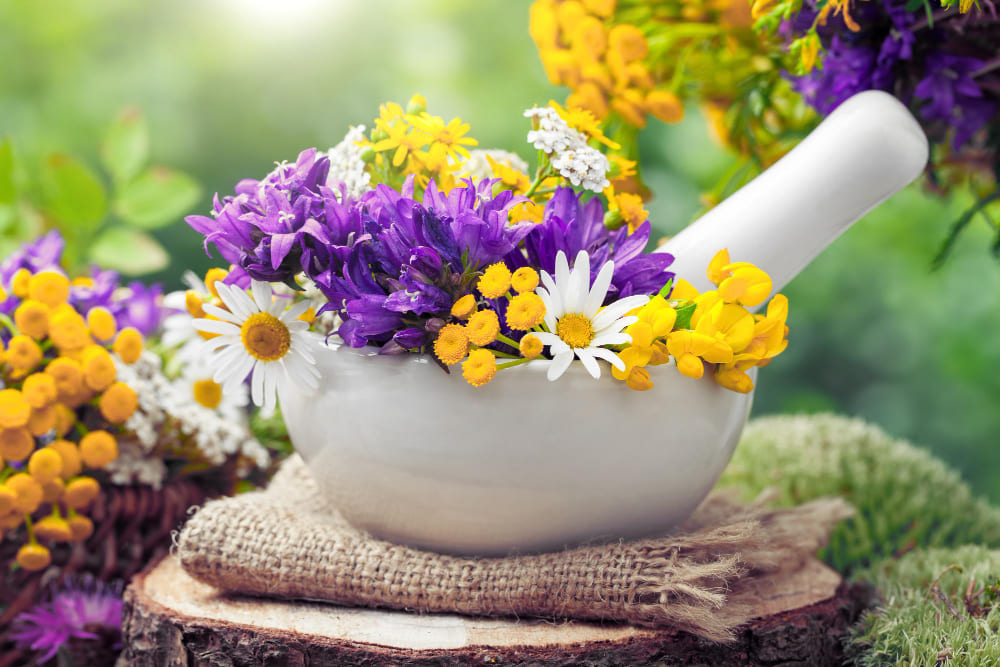
Venturing into the realm of edible weeds opens up a world of culinary possibilities. These wild plants, resilient and adaptable, have sustained generations with their unique flavors and nutritional benefits.
From tender leaves perfect for salads to roots and flowers with medicinal properties, there's much to explore. Let's embark on a journey to identify and appreciate some of the most common edible weeds found in North America.
1. Dandelion: From Root to Flower
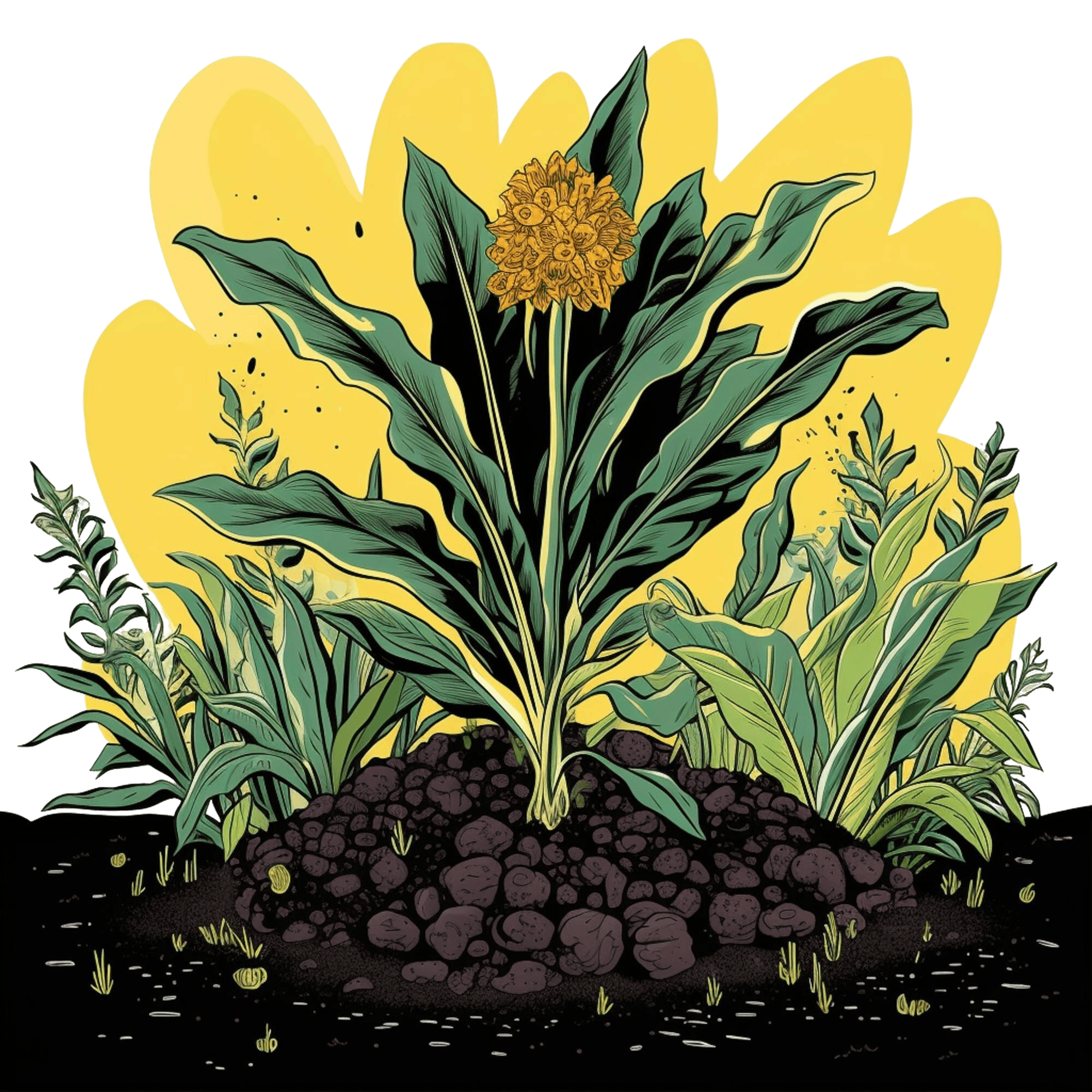
The ubiquitous dandelion, often considered a nuisance on perfectly manicured lawns, is a nutritional powerhouse in disguise. With its vibrant yellow flowers and characteristic toothed leaves, every part of the dandelion is edible.
Dandelion greens, slightly bitter yet refreshingly tangy, make a great addition to salads or can be sautéed like spinach. The flowers, mildly sweet, can be eaten raw, battered and fried, or even used to craft dandelion wine.
Lastly, the roots, roasted and ground, offer a caffeine-free coffee substitute rich in prebiotics.
2. Purslane: A Crunchy Addition to Your Salads
Often found thriving in the cracks of sidewalks or tucked away in shady corners, purslane * (Portulaca oleracea)*, with its succulent leaves and reddish stems, is a nutritional star.
This often-overlooked weed is rich in vitamins, minerals, and omega-3 fatty acids. Its mild, slightly lemony flavor adds a refreshing crunch to any dish.
Consider adding purslane to:
- Salads
- Sandwiches
- Smoothies
3. Lambsquarters: The Wild Spinach
Lambsquarters (Chenopodium), with its distinctive white-dusted leaves, is a highly nutritious wild edible that tastes remarkably similar to spinach. Abundant in early spring, its young leaves, rich in vitamins A, C, and K, can be enjoyed raw or cooked.
Sauté them with garlic and olive oil, add them to soups and stews, or simply steam them as a side dish for a dose of wild flavor.
Remember to always harvest from areas free of chemicals and contaminants.
4. Nettle: A Stinging Surprise
Don't let the stinging hairs deter you! Nettle, once blanched or cooked, transforms into a nutritious and flavorful green. Rich in iron, vitamins, and minerals, nettle has been recognized for its medicinal properties for centuries.
Nettle can be enjoyed in various ways. Add it to soups, stews, or stir-fries, brew it into a soothing tea, or try your hand at making nettle pesto for a unique twist on a classic.
Always handle nettle with gloves when harvesting to avoid its stinging hairs.
5. Chickweed: Not Just a Garden Nuisance
Chickweed (Stellaria media), with its delicate star-shaped flowers and tender leaves, might seem like an unwelcome guest in your garden, but it's actually a tasty and nutritious wild edible.
This easily identifiable weed, packed with vitamins and minerals, can be eaten raw or cooked. Its delicate flavor, reminiscent of spinach, makes it a versatile ingredient in the kitchen.
Enjoy chickweed in salads, sandwiches, or blend it into smoothies for a nutritional boost.
6. Plantain: More Than a Driveway Weed
Plantain (Plantago), commonly found sprouting in compacted soil, is more than just a resilient weed. This often-overlooked plant boasts a rich history of medicinal use, particularly in wound healing and soothing skin irritations.
Plantain leaves, though edible, are best cooked to soften their fibrous texture. Sauté them, add them to soups and stews, or even try your hand at battering and frying them.
Before incorporating plantain for medicinal purposes, consult a healthcare professional for guidance.
7. Clover: A Field of Flavor
While clover might be best known as a lucky charm, this humble plant, with its distinctive trifoliate leaves and cheerful blooms, offers a surprising array of nutritional benefits and delicate sweetness.
Clover blossoms can be eaten raw, adding a splash of color and a hint of sweetness to salads and desserts. The leaves, though slightly less flavorful, can be cooked like spinach or used to make a nutritious tea.
Incorporating clover into your diet not only tantalizes your palate but also supports pollinators who rely on this abundant nectar source.
8. Garlic Mustard: A Spicy Find
Garlic mustard (Alliaria petiolata), an invasive species spreading rapidly across North America, might be a foe to native ecosystems, but it also presents a unique foraging opportunity. This pungent plant, with its heart-shaped leaves, releases a distinct garlic aroma when crushed.
Enjoy garlic mustard in moderation, using it sparingly as a flavor enhancer in dishes. The leaves, best harvested before the plant flowers, can be added to:
Dish Instructions Salads Young leaves add a peppery bite. Soups and Stews Add towards the end of cooking to preserve flavor. Pesto Blend with olive oil, nuts, and Parmesan cheese for a garlicky twist.
While foraging for garlic mustard, prioritize ethical harvesting practices to help control its spread.
Conclusion
In conclusion, exploring the world of edible weeds can be a fascinating culinary adventure. From the familiar dandelion to the surprising stinging nettle, each plant offers unique flavors and nutritional benefits. Remember to always safely identify edible weeds and avoid toxic look-alikes. Incorporating these wild delicacies into your meals can add exciting new dimensions to your diet. So, venture out, discover, and savor the delights of nature's bounty right at your fingertips! If you're curious to try these culinary treasures, why not take the first step and embark on a foraging journey in your own backyard or nearby green spaces?
Frequently Asked Questions
Can I eat any weed I find in my garden?
It's crucial to positively identify any plant before consumption, as some weeds can be toxic. Also, avoid harvesting from areas treated with herbicides or pesticides to ensure safe consumption.
How do I safely identify edible weeds?
Reputable field guides, local workshops, or expert advice are invaluable for learning to safely identify edible weeds based on their distinct botanical characteristics.
Are there any toxic look-alikes I should be aware of?
Many poisonous plants bear a similar appearance to edible weeds. Exercise extreme caution, follow foraging tips from experts, and when in doubt, err on the side of caution.
What are the best ways to prepare edible weeds?
Experiment with various cooking methods like sautéing, steaming, or adding them to soups and stews. Explore recipe ideas that complement their unique flavors and consider preservation methods for later use.
Can edible weeds provide nutritional benefits?
Edible weeds are often packed with vitamins, minerals, dietary fiber, and antioxidants, potentially offering various health benefits as part of a balanced diet.