How to Farm Veggies: A Step-by-Step Guide
Introduction
Cultivating a thriving vegetable garden at home is a fulfilling endeavor that yields fresh produce and fosters a deeper connection with nature. This comprehensive guide will navigate the rewarding world of organic vegetable farming, equipping you with the knowledge and tools to create a thriving home garden. Let's embark on this journey, transforming your backyard into a source of nutritious and delicious vegetables.
Getting Ready for Vegetable Farming
Before we get our hands dirty, let's prepare for a successful vegetable farming experience. A little planning goes a long way in ensuring your gardening efforts translate into a bountiful harvest.
Begin by gathering the necessary tools and equipment, which will be your trusted companions throughout the process. In the following sections, we will explore the essential items that will make your farming endeavors more efficient and enjoyable.
Essential Tools and Equipment
Having the right tools readily available can make your gardening experience significantly smoother. Here are some must-have tools to get you started:
- Gardening Gloves: Protect your hands from thorns and rough surfaces while keeping them clean.
- Hand Trowel: Ideal for digging small holes, transplanting seedlings, and weeding.
- Gardening Fork: Use for turning the soil, mixing in compost, and aerating compacted areas.
- Watering Can or Hose: Essential for providing your plants with the necessary hydration.
- Wheelbarrow: Great for transporting soil, compost, and harvested vegetables.
If you have a larger garden or plan on using machinery, consider:
- Tractor (Optional): Useful for tilling, preparing larger areas, and transporting heavy loads.
- Compost Bin: A designated area to create nutrient-rich compost from kitchen scraps and yard waste.
Investing in quality tools and equipment will make your vegetable farming journey more efficient. Remember to maintain them well for long-lasting use.
Deciding on Your Farming Space
Choosing the right location is crucial for a thriving vegetable garden. Select a spot that receives ample sunlight, ideally 6-8 hours daily. Additionally, ensure the garden space has well-drained soil to prevent waterlogging.
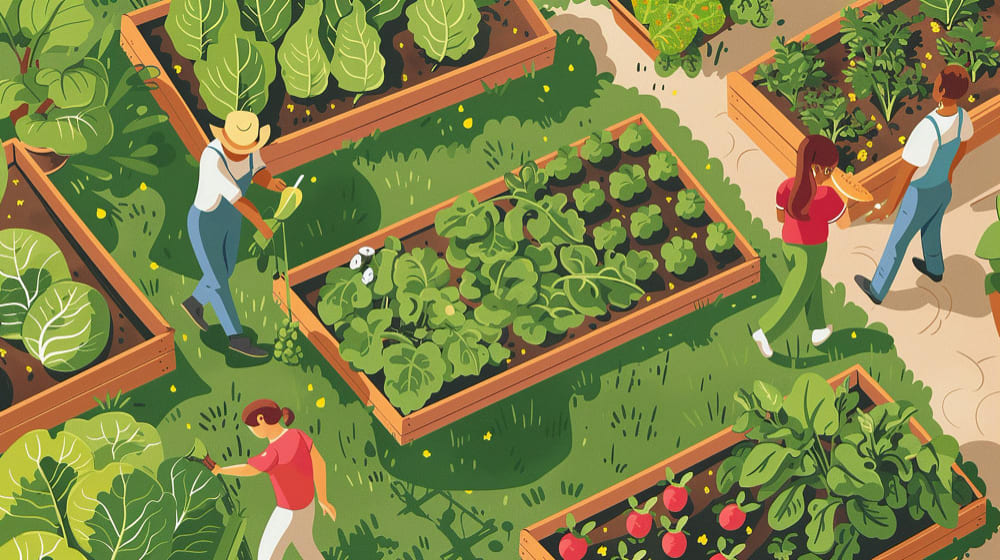
If you have limited space, consider a raised bed - a contained, elevated gardening area. Raised beds offer excellent drainage and are perfect for small vegetable gardens or areas with poor soil.
Whether you opt for a traditional garden plot or a raised bed, make sure it's conveniently located near a water source for easy irrigation. Proper planning and selecting an ideal space will lay a strong foundation for your vegetable farming endeavors.
Understanding the Basics of Vegetable Farming
Now that we have covered the initial preparations let's dive into the fundamentals of vegetable farming. Understanding when to plant, based on the best seasons and your climate, is crucial for successful growth.
Selecting the right vegetables for your region will significantly impact your harvest. Consider factors like your local climate and growing season to make informed choices.
The Best Seasons to Plant
Timing is everything in vegetable gardening. Different vegetables thrive in specific temperatures and daylight hours. Understanding your local growing season - the period between the last frost in spring and the first frost in fall - is crucial.
Cool-season vegetables, such as lettuce, spinach, and peas, prefer cooler temperatures and can be planted in early spring or late summer. Warm-season vegetables like tomatoes, peppers, and cucumbers require warmer temperatures and should be planted after the last frost date.
Refer to local gardening resources or online planting calendars to determine the optimal planting times for your region. Knowing when to sow your seeds or transplant your seedlings will give your plants the best chance to flourish.
Selecting Vegetables for Your Climate
Choosing the right vegetables for your specific climate is crucial for a bountiful harvest. Consider your area's typical temperatures, rainfall patterns, and the length of your growing season.
If you live in a region with cooler weather, opt for leafy greens, broccoli, cabbage, and root vegetables like radishes and beets. Warmer climates are ideal for tomatoes, peppers, cucumbers, squash, and sweet potatoes.
Remember to practice crop rotation, alternating different vegetable families in your garden each year. Crop rotation helps prevent soil-borne diseases, improves soil fertility, and enhances overall garden health.
Preparing Your Soil
Healthy soil is the bedrock of a thriving vegetable garden. Before you plant, taking the time to test and enhance your soil quality is essential. This step ensures your vegetables receive the necessary nutrients for optimal growth.
Understanding the composition and needs of your soil will allow you to amend it properly, providing a supportive environment for your plants to thrive. Let's explore how to analyze and enhance your soil effectively.
Testing Soil Quality
To provide the optimal growing conditions for your vegetables, it's crucial to determine your soil type and its pH level. Conducting a soil test will reveal valuable information about its fertility and guide your approach to amendments.
Soil testing kits are readily available at garden centers or through your local agricultural extension office. These kits provide instructions for collecting samples and sending them for analysis.
Based on the soil test results, you can adjust the pH level and nutrient content using amendments such as lime to raise pH, sulfur to lower pH, or organic fertilizers to replenish essential nutrients.
Enhancing Soil Fertility
Improving soil fertility is an ongoing process that involves adding organic matter and beneficial microorganisms. One effective method is incorporating compost, a nutrient-rich mixture made from decomposed organic materials.
Compost acts as a natural soil conditioner, improving drainage, aeration, and water retention. It also introduces beneficial microorganisms that contribute to a healthy soil ecosystem.
Another approach is planting green manures, cover crops grown specifically to improve soil health. Green manures, such as clover and legumes, fix nitrogen from the air and add organic matter to the soil when tilled back.
Step-by-Step Guide to Planting Your Veggies
With our soil primed for success, let's proceed to the exciting part - planting your veggie seedlings! Following proper planting techniques and spacing guidelines is crucial to give your vegetables the best possible start.
Each step plays a crucial role in establishing healthy plants and a bountiful harvest. Let's break down the process into manageable stages for a rewarding planting experience!
Step 1: Planning Your Garden Layout
Before you begin planting, taking the time to create a garden plan is essential. A well-thought-out plan optimizes space utilization, ensures adequate sunlight for each plant, and simplifies gardening activities.
Consider factors such as the mature size of your chosen vegetables, their sunlight requirements, and the direction of prevailing winds. Taller plants should be situated on the north side to avoid shading shorter crops.
Additionally, incorporate companion planting techniques, strategically positioning mutually beneficial plants together to deter pests, attract pollinators, and enhance growth.
Step 2: Sowing Seeds or Planting Seedlings
Follow the instructions provided on seed packets or seedling labels regarding planting depth, spacing, and any specific requirements. Some seeds can be directly sown into the garden soil, while others may require starting indoors or in a greenhouse.
When planting seedlings, handle them carefully by their leaves to avoid damaging the delicate stems. Gently loosen the roots before planting to encourage outward growth.
Water your newly planted seeds or seedlings generously to settle the soil and provide essential moisture for establishment. Remember to label your plants for easy identification as they grow.
Step 3: Watering and Mulching Techniques
Consistent watering is crucial, especially during the initial establishment phase. Water deeply and less frequently to encourage strong root development. Monitor soil moisture regularly and adjust the watering schedule based on weather conditions.
Applying a layer of organic mulch, such as straw, wood chips, or shredded leaves, around your plants offers several benefits.
- Mulch helps retain soil moisture, reducing evaporation and the need for frequent watering.
- It suppresses weed growth, minimizing competition for nutrients and water.
- It also regulates soil temperature, protecting roots from extreme heat or cold.
Step 4: Monitoring Growth and Health
Regularly inspect your vegetable plants for signs of pests, diseases, or nutrient deficiencies. Early detection is crucial for effective management and preventing widespread issues in your garden.
Look for common pests like aphids, caterpillars, or slugs, and take necessary actions such as handpicking or introducing beneficial insects. Be vigilant about diseases like powdery mildew or blight, and promptly remove and discard affected plant parts.
As your vegetables approach maturity, harvest them promptly to enjoy peak flavor and tenderness. Regular harvesting also encourages continuous production in many plants, extending your harvest season.
Conclusion
In conclusion, embarking on the journey of vegetable farming can be a rewarding and fulfilling experience. By understanding the essential tools, selecting the right vegetables for your climate, and preparing your soil adequately, you set a strong foundation for a successful harvest. Remember to monitor growth, stay attentive to watering needs, and nurture your plants throughout their lifecycle. Whether you're a beginner or experienced gardener, this step-by-step guide equips you with the knowledge to cultivate your own fresh produce. Embrace the joys of growing your veggies and enjoy the bountiful rewards of your labor in due time. Happy farming!
Frequently Asked Questions
What Are the Easiest Vegetables for Beginners to Grow?
For novice gardeners, radishes and lettuce are excellent choices. Other easy-to-grow options include turnip greens, mustard greens, and kale, which are relatively low-maintenance and offer quick rewards.
How Much Water Do My Vegetables Need?
Most vegetables thrive with approximately an inch of water per week. However, water requirements can vary depending on factors like plant type, soil composition, and climate. For example, vegetables like squash, cucumbers, and tomatoes generally require more frequent watering during hot and dry periods.