Best Fig Tree Problem Solutions for UK Gardeners
Introduction
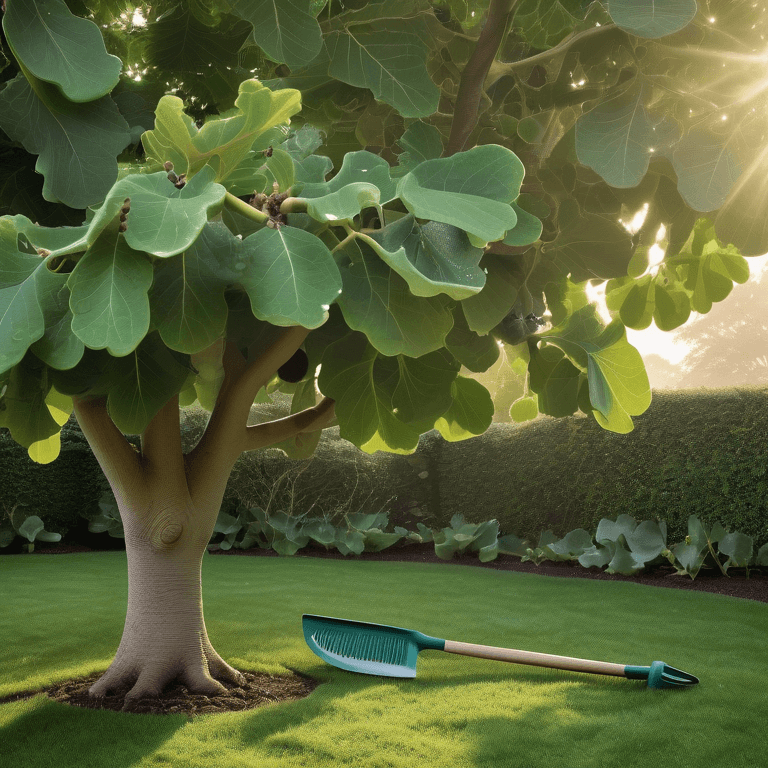
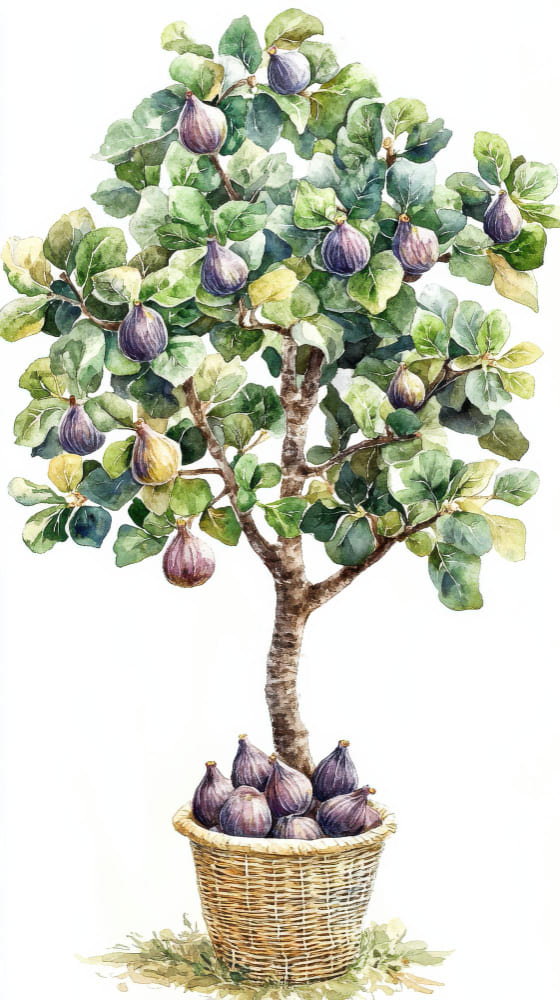
Fig trees are a delightful addition to any garden, offering both delicious fruit and beautiful foliage. While they may originate from warmer climates, fig trees can be grown successfully in the UK with proper care and attention. In this blog, we will explore the key highlights of fig tree care, including understanding the essentials of fig tree care, addressing common problems and their solutions, innovative watering solutions, essential tools for maintenance, and the role of climate in fig tree health.
Understanding Fig Tree Care Essentials
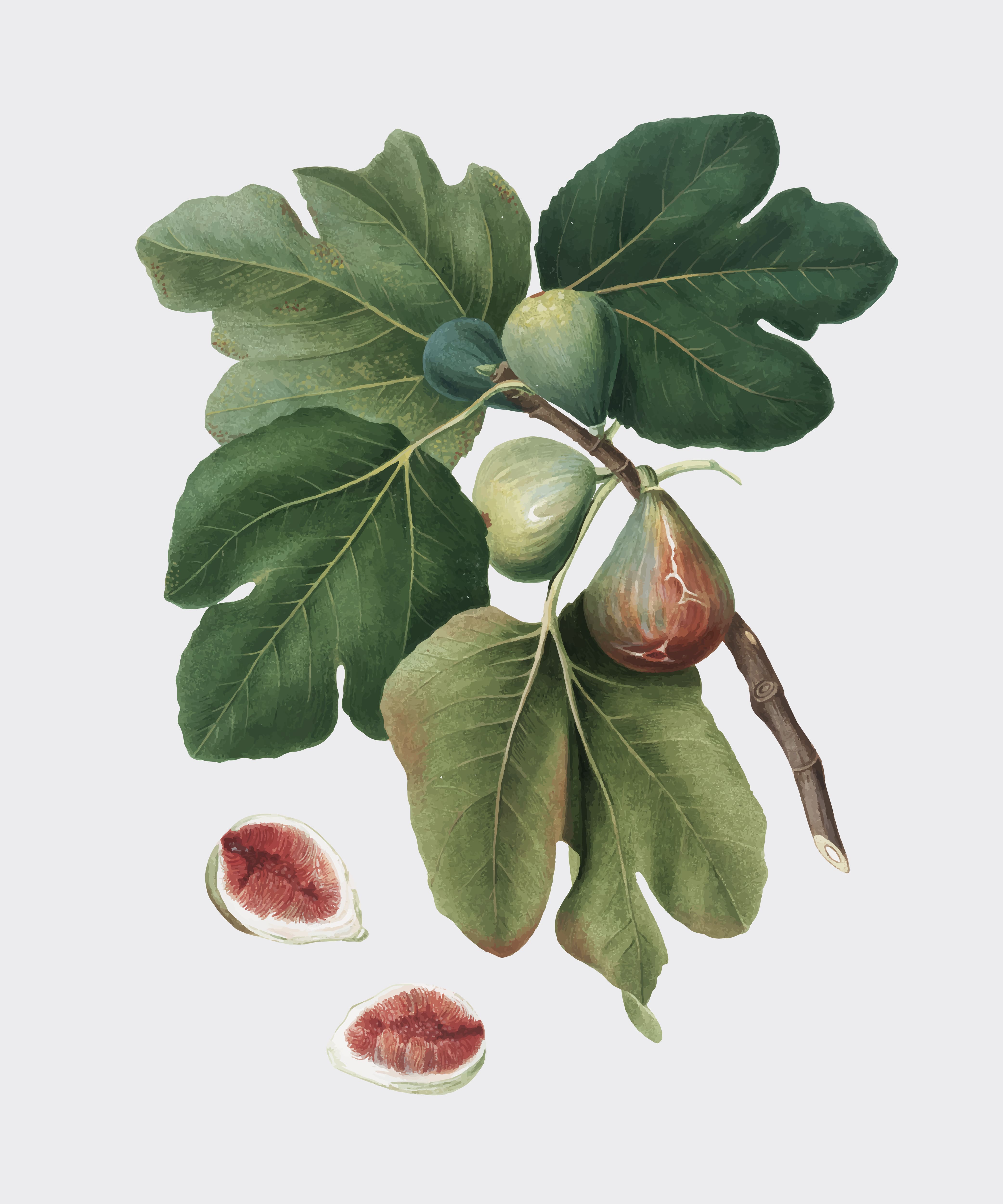
Proper care is essential for the healthy growth of fig trees. This includes understanding the importance of proper watering techniques, selecting the right soil and fertilizer, and addressing common problems such as leaf drop and fruit shedding, as well as managing pests and diseases. By following these essential care practices, UK gardeners can ensure the success and longevity of their fig trees.
The Importance of Proper Watering Techniques
Proper watering techniques are crucial for the health of fig trees. While fig trees require regular watering, it is important not to overwater them, as this can lead to root rot and other problems. On the other hand, lack of water can cause leaf drop and fruit shedding. The key is to provide consistent moisture without waterlogging the roots. Watering deeply and regularly during the growing season, especially in dry weather, is important. It is also essential to water at the right time, preferably in the early morning, to allow the leaves to dry before nightfall.
Selecting the Right Soil and Fertilizer
The soil and fertilizer used for fig trees play a crucial role in their growth and productivity. Fig trees thrive in well-draining soil that allows excess moisture to escape. It is important to select a location with full sun exposure for optimal growth. Additionally, adding organic matter, such as well-rotted compost or manure, can improve soil fertility. When it comes to fertilizers, using a liquid tomato feed can provide the necessary nutrients for fig trees. Regular feeding during the growing season, especially when fruits start appearing, is important to support healthy growth and fruit production.
Common Fig Tree Problems and Solutions
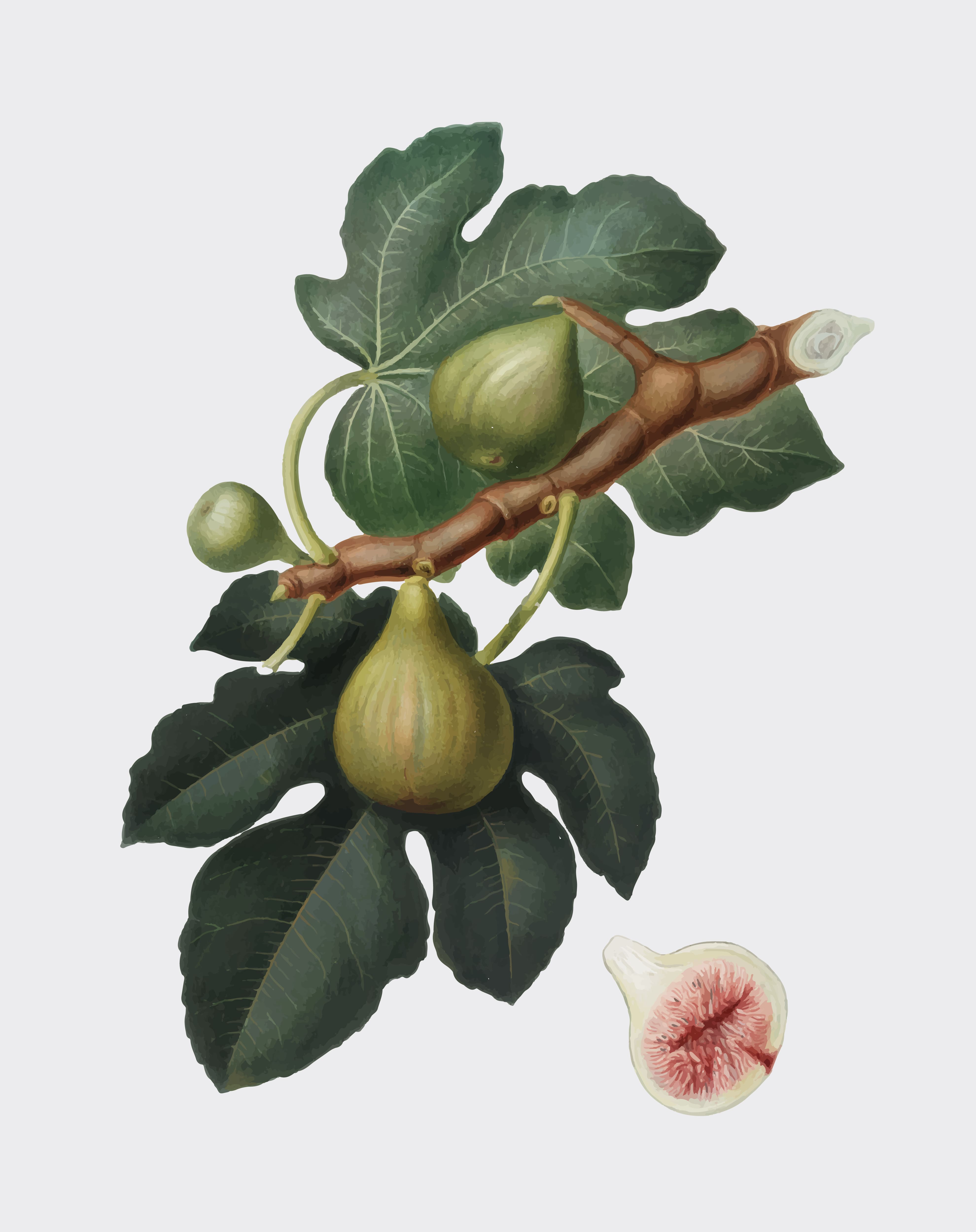
Even with proper care, fig trees can face common problems. Understanding these problems and their solutions is essential for maintaining the health of the trees. Two common issues that fig trees may experience are leaf drop and fruit shedding, as well as the presence of pests and diseases. Addressing these problems promptly can help ensure the long-term health and productivity of fig trees.
Addressing Leaf Drop and Fruit Shedding
Leaf drop and fruit shedding can be concerning for fig tree owners. There are several possible causes for these issues. One common cause is improper watering, either with too much water or lack of water. Inconsistent watering can lead to stress on the tree, resulting in leaf drop and fruit shedding. Other factors, such as nutrient deficiencies or pests, can also contribute to these problems. To address leaf drop and fruit shedding, it is important to ensure proper watering, provide adequate nutrients, and monitor for pests and diseases. Varieties like 'Brown Turkey' and 'Brunswick' are known for their resistance to leaf drop and fruit shedding.
Managing Pests and Diseases in Fig Trees
Fig trees are susceptible to a variety of pests and diseases that can impact their health and productivity. Some common pests that can affect fig trees include aphids, scale insects, and spider mites. These pests can cause damage to the leaves, fruit, and overall growth of the tree. Additionally, fig trees can be prone to diseases such as root rot, which can be caused by overwatering or poor drainage. To manage pests and diseases in fig trees, it is important to regularly inspect the tree for signs of infestation, provide proper care and maintenance, and consider using organic and environmentally-friendly pest control methods when necessary.
Innovative Watering Solutions for Healthy Fig Trees
Watering is crucial for the health of fig trees, and there are innovative solutions that can help gardeners ensure their trees receive adequate moisture. DIY watering systems, such as drip irrigation or soaker hoses, can provide a consistent and efficient way to water fig trees. These systems can be easily set up and controlled, allowing for targeted watering and reducing water waste. Additionally, knowing the best time to water fig trees, such as in the early morning or during dry weather, can optimize water absorption and prevent issues like leaf drop or fruit shedding.
DIY Watering Systems for Gardeners
Installing a DIY watering system can be a practical and efficient solution for watering fig trees. Here are some options to consider:
- Drip irrigation: This system delivers water directly to the roots of the tree, minimizing water waste and ensuring efficient absorption.
- Soaker hoses: These hoses release water slowly and evenly along their length, providing consistent moisture to the tree's root zone.
- Self-watering containers: These containers have built-in reservoirs that release water as needed, reducing the frequency of manual watering.
When setting up a DIY watering system, it is important to consider the following:
- Ensure proper drainage: Make sure containers or planting areas have adequate drainage holes to prevent waterlogging.
- Use a timer: Set up a timer to automate watering, ensuring consistent moisture without the need for constant monitoring.
- Adjust watering frequency: Monitor the moisture levels of the soil and adjust the watering schedule accordingly, taking into account weather conditions and the specific needs of the fig tree.
The Best Time to Water Your Fig Trees
The timing of watering is crucial for the health of fig trees. The best time to water fig trees is in the early morning, as this allows the leaves to dry before nightfall, reducing the risk of fungal diseases. Watering early in the day also ensures that the tree has access to moisture during the hottest part of the day, helping it withstand high temperatures. It is important to avoid watering during the evening or at night, as this can promote the growth of fungi and increase the risk of disease. Additionally, watering during dry weather is essential to provide the tree with adequate moisture, especially in periods of prolonged drought.
Essential Tools for Fig Tree Maintenance
Having the right tools for fig tree maintenance is essential for proper care and upkeep. Here are some essential tools that every fig tree gardener should have:
- Pruning shears: These are used for trimming and shaping the tree, removing dead or diseased branches, and promoting healthy growth.
- Planting hole digger: This tool helps create the right-sized hole for planting new fig trees or transplanting existing ones.
- Mulch: Mulch helps retain soil moisture, suppresses weeds, and provides nutrients as it breaks down.
Having these essential tools on hand will make fig tree maintenance easier and more efficient, ensuring the health and productivity of the trees.
Must-Have Tools for Every Fig Tree Gardener
To properly care for fig trees, there are a few must-have tools that every fig tree gardener should have in their arsenal:
- Pruning shears: These are essential for pruning and shaping the tree, removing dead or diseased branches, and managing its growth.
- Planting hole digger: This tool makes it easier to create the right-sized hole for planting new fig trees or transplanting existing ones.
- Mulch: Applying a layer of mulch around the base of the tree helps retain soil moisture, suppresses weeds, and provides nutrients as it breaks down.
- Watering can or hose: Having a watering can or hose with a nozzle attachment allows for precise and controlled watering of the tree.
- Garden gloves: Protecting your hands while working on fig tree maintenance is important, especially when handling thorny branches or using pruning shears.
Having these essential tools readily available will make fig tree maintenance more efficient and effective.
How to Use Mulch to Retain Soil Moisture
Mulch plays a vital role in retaining soil moisture for fig trees. By applying a generous layer of organic mulch around the base of your fig tree, you create a protective barrier that helps prevent water evaporation, especially during hot weather. This layer also aids in regulating soil temperature and reducing weed growth, promoting optimal conditions for root growth and overall tree health. Ensuring proper mulching techniques can significantly benefit fig tree growth and productivity.
The Role of Climate in Fig Tree Health
Climate plays a crucial role in the health of fig trees. Fig trees thrive in warm climates, preferring sunny and sheltered spots. In the UK, it's vital to protect fig trees from cold weather, especially during the winter months. Adjust fig tree care according to the growing season, considering frost damage risks. Proper care during hot weather ensures healthy root growth and robust fig production. Understanding the impact of climate is essential for cultivating flourishing fig trees in varying weather conditions.
Adjusting Fig Tree Care Through the Seasons
As the seasons change, adapting your fig tree care is crucial for optimal growth. In early spring, focus on pruning to encourage new growth. During the hot summer months, ensure your fig tree gets enough water without overdoing it. In late summer, adjust fertilization to support fruit development. As winter approaches, protect your fig tree from frost damage. By timing your care activities according to the season, you can ensure a healthy and fruitful fig tree all year round.
Preparing Your Fig Trees for the UK Winter
To safeguard your fig trees during the UK winter, focus on insulating their roots with mulch to prevent frost damage. Prune any weak branches in late autumn to promote healthy growth next year. Ensure proper drainage around the planting area to prevent waterlogging, which can lead to root rot in cold weather. Consider wrapping young trees with burlap for extra protection against frost. By taking these steps, you can help your fig trees survive the winter months and flourish come spring.
Product Review: Top Watering Systems for Fig Trees
H2: Product Review: Top Watering Systems for Fig Trees:
Enhance your fig tree care with efficient watering systems. Opt for drip irrigation to ensure a steady supply of water directly to the roots. Consider soaker hoses for gentle and consistent moisture delivery. Smart timers help regulate watering schedules, especially during hot weather. For a more hands-on approach, self-watering containers provide convenience. Choose the best watering system to promote healthy root growth and bountiful fig crops.
Features and Benefits of Leading Systems
When selecting a watering system for your fig trees, consider options like drip irrigation or soaker hoses. Drip systems ensure direct water to the roots, minimizing evaporation and wetting the soil uniformly. Soaker hoses are cost-effective and easy to install, delivering water directly to the base of the tree. Both systems promote efficient water usage and reduce the risk of fungal diseases. Choose a system based on the size of your garden and water requirements of your fig trees.
Pros and Cons of Popular Watering Solutions
Pros and Cons of Popular Watering Solutions:
Exploring Alternative Fig Tree Varieties
When considering alternative fig tree varieties, options like "Brown Turkey" or "Texas Everbearing" suit the UK climate well. These varieties offer unique characteristics and delicious fruit, catering to different preferences. While "Brown Turkey" thrives in sheltered spots, "Texas Everbearing" is resilient in various conditions. Understanding the pros and cons of each variety aids in making the right choice for your garden. Exploring alternative fig tree varieties adds diversity and resilience to your fig tree collection.
Similar Species Suited for the UK Climate
Brown Turkey and Dundee Blue are similar fig tree species well-suited for the UK climate. These varieties thrive in the cooler temperatures characteristic of the region while still producing delicious fruit. Dundee Blue is especially resilient to cold weather, making it a popular choice among UK gardeners. By opting for these varieties, gardeners can enjoy a successful fig harvest despite the challenges posed by the UK climate. Consider planting these species in a sheltered, sunny spot for optimal growth.
Pros and Cons of Each Variety
Brown Turkey Figs:
Pros - Reliable and adaptable, producing sweet treats abundantly.
Cons - Susceptible to pests and diseases, requiring regular monitoring and care.
Celeste Figs:
Pros - Cold hardy with excellent flavor, ideal for UK climates.
Cons - Slow to establish and may take time to bear fruit.
Each variety offers unique advantages and challenges, catering to different preferences and conditions in UK gardens. Gardeners should consider these factors when selecting the most suitable fig tree variety for their specific needs.
Final Verdict on Fig Tree Care Strategies
Achieving success with fig tree care strategies hinges on mastering the art of watering, soil selection, and pest control. By optimizing these key factors, UK gardeners can ensure their fig trees thrive and yield abundant, delicious fruit. Remember, tailoring care to the changing seasons is crucial for sustained growth. Embrace innovative watering systems and tools to simplify maintenance tasks. With proper attention to detail and timely interventions, your fig trees will flourish year after year.
Summarizing Key Takeaways for UK Gardeners
Proper care and the right planting spot are vital for fig trees in the UK. Choose a sheltered, sunny spot and avoid overwatering, especially during the growing season. Prevent frost damage in winter months. Prune weak branches. Look out for pests and diseases. Adjust watering based on weather conditions. Figs need good drainage, so ensure soil is free-draining. With these tips, UK gardeners can enjoy a bountiful crop of delicious figs year after year.
Recommendations for Sustainable Fig Tree Care
To ensure sustainable fig tree care, plant your fig trees in a sheltered sunny spot, preferably against a sunny wall for warmth. Water regularly, especially in the growing season, but avoid excessive watering to prevent root rot. Use fertilizers like liquid tomato feed sparingly. Mulch with organic matter for moisture retention. Prune weak branches in late winter. Protect your fig trees from frost damage in winter months. Monitor for pests like spider mites and address promptly to maintain healthy fig trees.
Conclusion
In conclusion, nurturing a healthy fig tree in the UK requires understanding its specific needs. From proper watering techniques and soil selection to pest management and innovative watering solutions, taking care of your fig tree is a rewarding process. By utilizing essential tools, adjusting care based on climate, and exploring alternative fig tree varieties suited for the UK, you can ensure a bountiful harvest of delicious fruit year after year. Implement these strategies to enjoy a thriving fig tree in your garden.
Frequently Asked Questions
How Often Should I Water My Fig Tree?
To maintain healthy fig trees, water them deeply once a week, adjusting based on weather conditions and soil moisture. Avoid overwatering to prevent root rot. Consistent watering is key for optimal growth and fruit production.
What Are the Signs of Overwatering or Underwatering?
Wilting leaves, yellowing, or root rot can signal overwatering, while dry, crispy leaves and stunted growth indicate underwatering. Monitor soil moisture levels and adjust watering frequency accordingly to maintain optimal hydration for healthy fig trees.
Can Fig Trees Recover from Pests and Diseases?
Fig trees can recover from pests and diseases with prompt detection and appropriate treatment. Pruning affected areas, using organic pesticides, and maintaining tree health through proper care can aid in the recovery process.
Are There Any Fig Tree Varieties That Are More Resistant to Common Problems?
Some fig tree varieties like Brown Turkey and Desert King are known for their resistance to common problems. Their adaptability to the UK climate makes them a preferred choice among gardeners. Discover which variety suits your garden best!