Essential Tips for Growing Your Own Figs Tree
Introduction
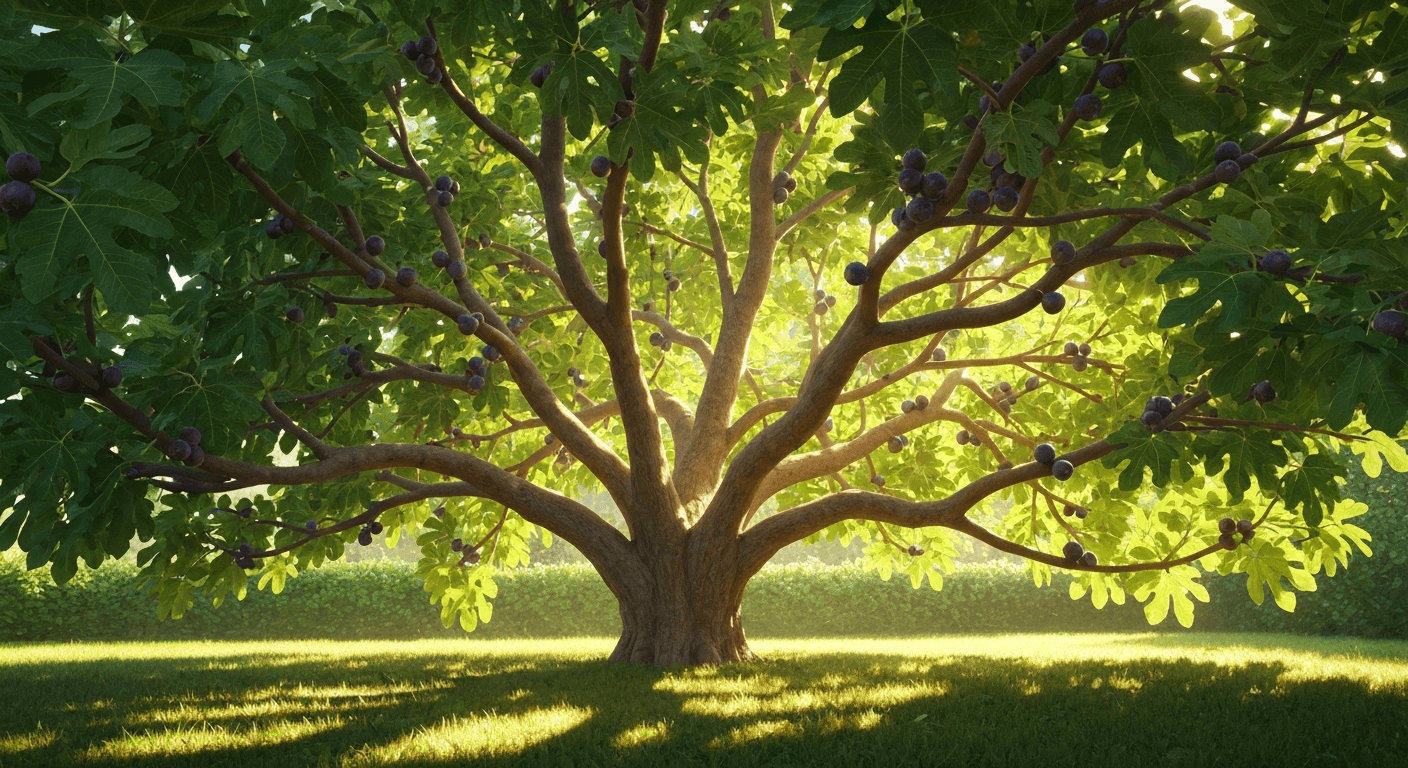
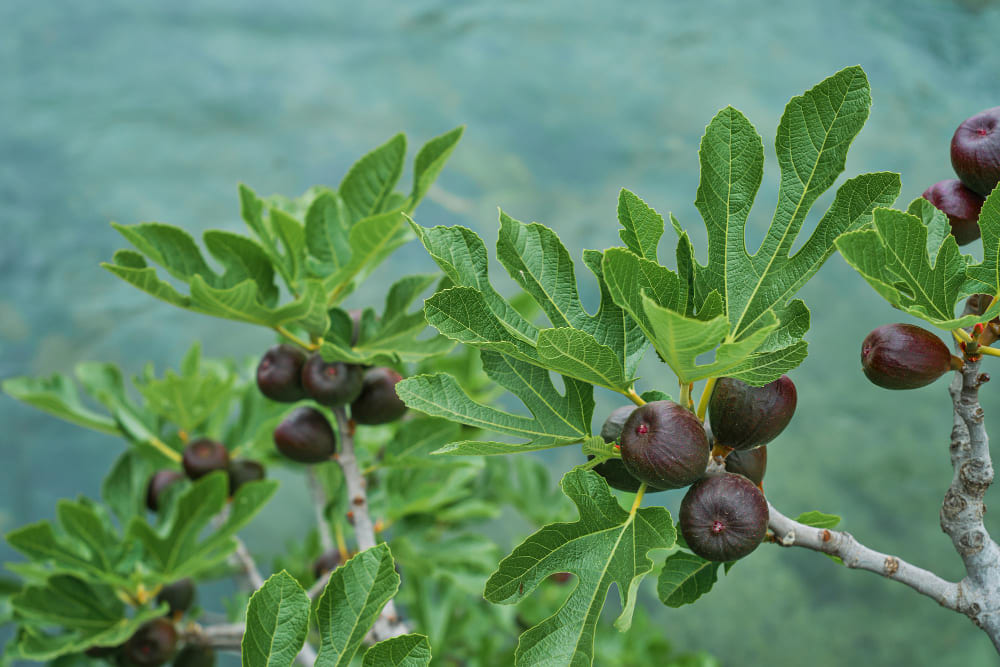
Have you ever wanted to pick sweet figs that are warm from the sun right in your backyard? A fig tree, called Ficus carica, is not hard to grow and gives a lot in return. This fruit tree gives you tasty fruit, and it also looks nice with the shape of its branches and leaves. This complete guide will help you with all you need to know. You will learn how to pick the right type, plant it, and harvest your own delicious figs.
Choosing the Best Fig Tree Varieties for Home Gardens
Picking the right fig can feel exciting for you. There are many fig varieties you can choose from. It helps to pick one that works for the climate where you live. You should also think about the space you have in your home garden and what taste you like best. If you pick the right one, there will be lots of sweet fruit to enjoy in your garden.
Are you searching for a tree that can give you a lot of fruit, or do you want a smaller one for your patio? Let's look at some great picks to help you choose the best tree for your garden and what you want to do.
Top Fig Trees for Abundant Fruit Production
If you want a big harvest, there are some fig varieties that are known for their good fruit production. These types give you a main crop you can count on every year. You will get plenty of ripe fruit to enjoy from these trees. Some of the best fig varieties to grow at home are 'Brown Turkey', 'Mission', and 'Desert King'.
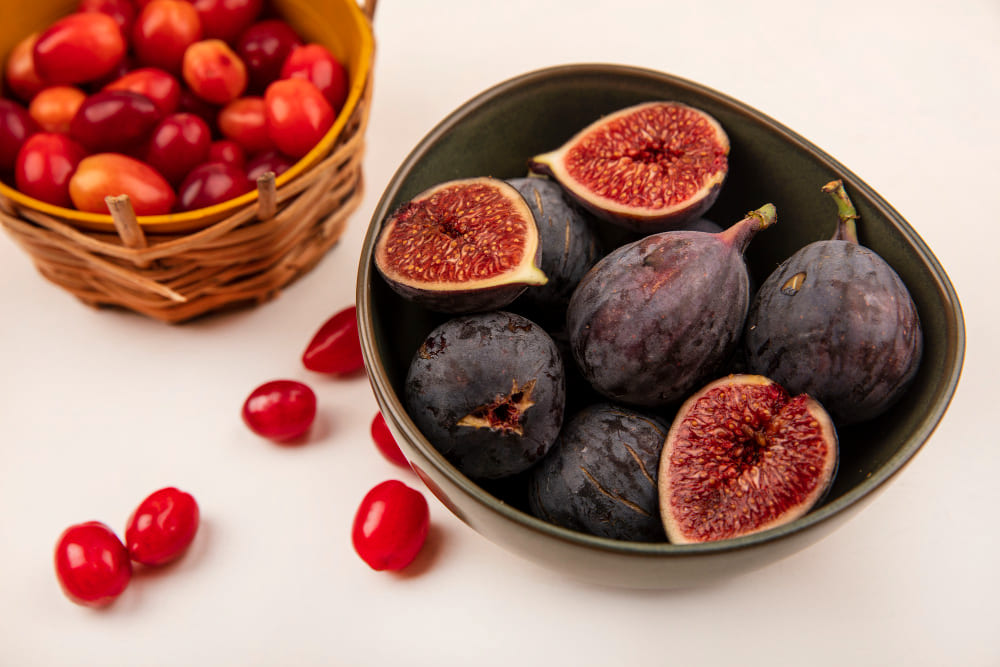
The 'Brown Turkey' fig is a top pick for many. It can give you two crops each year. The 'Mission' fig is well-known for its rich purple skin and sweet pink inside. A lot of people enjoy them as a dessert. If you live where it is cooler, you can try the 'Desert King'. This type gives a lot of figs, even when the weather is not hot.
Picking one of these good fig growers is the best way for you to always have tasty figs at home. If you take good care of the tree, it will give you a lot of sweet and juicy fruit all season long.
Dwarf and Compact Fig Varieties for Small Spaces
Don't have a big yard? That is not a problem. There are some great fig varieties that stay small. These little trees are good for small spaces. You can grow them in large containers on a patio, or a balcony, or even keep one inside your home. This way, you can get the joy of picking homegrown figs even if you have less room.
The Fignomenal Dwarf Fig Tree can grow to only about 28 inches tall and wide. This fig tree is great because it still gives you a lot of fruit for its small size. It is a good choice if you want to keep a fig tree in a small patio container.
Another type to try is the dwarf version of the Violette de Bordeaux fig. It has a deep taste and stays small, which makes it easy to fit in any space.
These small kinds make it easy for everyone to grow figs. You may think about these if you do not have much space:
-
Fignomenal® Dwarf Fig: This type is very small. It can give a lot of fruit all year.
-
'Black Jack' Fig: You can keep this one around 6 feet by cutting it back. It handles cold weather well.
-
Celestial Fig: This tree stays smaller, growing up to 10 feet. It can also stand cold better.
Factors to Consider When Selecting a Fig Tree Variety
Picking the right fig tree is not just about what taste you like. It is also about if the tree can grow well where you live. You need to think about your weather and your garden. To know if a fig tree can do well where you are, check its hardiness zone. You should also see if it can handle your weather.
For people who grow plants in the north, it is important to choose a hardy fig variety. A type like 'Chicago Hardy' can live through low winter temperatures and still grow fruit. On the other hand, people in warm places can pick from more types. They still need to think about how the figs handle heat and humidity. It is also important to find a fig tree with good disease resistance if you want a tree that is strong and easy to care for.
Before you buy, think about these key factors:
-
Climate Hardiness: You need to check that the tree's USDA hardiness zone is right for where you live.
-
Disease Resistance: Try to pick types that are good at fighting off things like fig rust.
-
Size and Growth Habit: Make sure the size of the tree when it is grown will fit the space you have.
Understanding Fig Trees vs. Fig Bushes
When you think of a fig tree, do you see it as one main trunk or with many stems like a fig bush? A fig tree can grow both ways. How you let it grow will change how it looks and how much care it needs. It's good to know how they grow so you can shape your fig tree the right way.
Choosing between a tree or a bush for your fig usually comes down to the weather where you live and what looks good to you. There are some big differences between the two, and it helps to know how you can shape the way your fig grows.
Key Differences in Growth Habits
So, what is the difference between a fig tree and a fig bush? The main difference is in how they grow. A fig tree has one main trunk that goes up from the base of the plant. A fig bush grows several stems, or leaders, right from the base of the plant.
Mature fig trees grow with a well-known shape. They have branches that spread out and give shade. A bush looks different. A bush grows wider and stays thick, close to the ground. This bush form is common in colder climates. In these places, if cold weather kills the top part of the plant, new growth can come from the roots and the bottom part. This helps make sure you still get figs.
Most figs make their fruit on new growth. Both types give you a lot of fruit. The way you choose will be about what is easy for you to care for and what you want your garden to look like.
Advantages of Tree Form vs. Bush Form
Each way you grow the fig gives something good. If you train your fig to be a tree, it can help with air circulation around the branches and fruit. With more air flowing, there is less chance for fungal diseases to show up. This can help support better overall plant health and disease resistance. A tree that is open in shape can also make it easier for you to pick fruit.
The bush form works well in colder regions. If the winter is tough and the plant freezes all the way to the ground, a bush with many stems can still grow back. New shoots can come up from the bottom. This helps the bush form survive winter damage better than other types. That is why it is a good choice if you live in a place with cold weather.
In the end, the best way to shape your fruit tree depends on your weather and how you like to garden. Both ways can give you a lot of good figs if you care for them well.
How to Shape Fig Plants to Your Preference
Shaping your fig tree is easy and should start when the plant is still young. With careful pruning, you can help the fig tree grow into a tree or a bush. This is an important part of fig tree care. The best time to prune is in late winter when the fig tree is not growing.
To grow a bush, you need to cut the young plant back by about one-third when you plant it. This will help new shoots grow from the base. After the first year, pick three to eight strong and spread-out shoots. These will be the main leaders. Cut off the other shoots.
To help your fig grow as a tree, pick one strong and straight stem as the main trunk. Take off all other shoots that come up from the base.
-
Trim your fig in late winter when it is not growing.
-
If you want a bush, let several stems grow up from the base.
-
If you want a tree, keep just one main trunk.
Assessing Your Climate for Growing Figs Successfully
Figs grow in warm, dry places. But the good thing is that they can also do well in other places. The right kind of fig and good care can help you grow them in warm climates, and in many cold ones too. It is important to know about your area's weather and the growing season if you want a good harvest.
It does not matter if you live in a hot desert or in a place where winters are cold. You can still change the way you care for your fig tree to help it grow well. Let's look at what conditions are best for the fig tree. We will also see how you can keep it safe from big changes in temperature.
Ideal Temperature and Hardiness Zones for Fig Trees
Fig trees do well in USDA hardiness zones 7 to 10. In these places, winters are not too cold. But some kinds of fig trees are made to live in colder climates. If you are in zone 6, you can still grow figs. Pick a cold-hardy variety like 'Chicago Hardy'. This type may die back to the ground when it is winter. But it can grow again from the roots and make a main crop next summer.
To see if a fig will grow well where you live, you need to check its hardiness zone rating. If it gets colder than 20°F, the plant can be hurt. If the temperature drops to single digits, the top part may die. In colder zones, you can plant the fig on the south side of a building. This can help it get more heat and stay safe.
Here are some cold-tolerant types of fig trees and how they did after being in 15°F:
-
Excel: The stems died back to 7.5 inches. There is much fruit production for this one.
-
Jelly: The bark got damaged up to 1 inch. This type still has much fruit.
-
LSU Gold: There was dieback at the tip, and the plant did not look well. It may give some or much fruit.
-
Verdal Longue: This tree did not get damaged at all. There is much fruit.
-
Violette de Bordeaux: The stems died all the way to the soil. It will have no fruit or sometimes much fruit.
This shows how cold weather can change how much fruit each plant gives, even for types like violette de bordeaux.
Adapting Fig Planting to Local Conditions in the United States
Growing figs in the United States means you need to change your ways based on where you live. In cooler areas, where there can be more winter damage, it is important to pick the right spot. Put your fig tree on the south side of your house or wall. This spot gives the fig more warmth from the sun. It also keeps it safe from cold winds in the winter. This step helps stop winter damage and gives your fig the best chance to grow.
In hot desert places, growing figs can be hard in a new way. Figs love the sun, but strong heat in the afternoon can put stress on them. To help, give the tree some light shade in the afternoon. This can stop it from getting burned and help save water. The main thing to do is to give the tree enough sun, but also protect it from very high heat.
No matter where you live, it is good to know about your own environment. You should look at your yard and see small changes in weather, like sunny areas, windy places, or spots that get more heat from things around them. This will help you pick the best place to plant your tree and keep it safe from winter weather.
Tips for Winter Protection and Frost Management
If you live where winters get cold, you need to protect your fig tree in the winter months. This is very important for the tree to stay healthy. A young fig tree can be at risk when it is cold. If you give it good winter protection and take care of it in the first few winter months, it will have a much better chance to do well.
One way many people protect their trees is by wrapping them with burlap, canvas, or a tarp. You can add dry leaves or straw inside the wrap for more insulation. This helps keep the branches safe from freezing and from strong winds. If you have fig trees in containers, the roots are more open to the cold. In winter, you can move the pot into a cool, unheated garage or a basement.
If you can't move the container, try to keep the pot warm by wrapping it up. You can also put it in the ground to help protect it.
-
Wrap trees that are in the ground with burlap. Fill them with something that keeps heat like straw.
-
Move potted figs to a safe spot like an unheated garage.
-
Cover pots you leave outside by wrapping them, or put them under the ground.
Purchasing and Propagating Healthy Fig Trees
Getting started with figs is easy. You can buy a fig tree, or you can grow one yourself. If you choose to buy a young fig tree, make sure it is healthy. The tree should not have any disease. Buy your fig tree from a store you trust. This helps your fig tree grow well in your yard.
You can also grow new fig plants yourself. It is quite easy and lets you have more plants without paying extra. Whether you choose to buy or grow your own, it is important to pick fig cultivars that will do well in your area. This is the first thing you should do if you want a good crop in the future.
Where to Buy Quality Fig Trees Online
When you want to buy a fig tree, especially from the internet, it is important to pick a nursery you can trust. A good place to get a fig tree will give you healthy plants. They will make sure the type matches what they say. They will also pick one good for your weather. In the United States, if you live in the Southeast, try to buy from local nurseries. These nurseries know the weather in your area and will get you a fig tree that will do well.
If you do not live in California, try not to buy fig varieties that are made for that state. Many of these need help with pollination from a certain wasp. The wasp is not found in other parts of the country. It is best to pick common figs for your garden. The common figs do not need pollination to grow fruit, so they are good for most people.
Before you buy a plant online, take some time to look into it. This can help you get a good plant.
-
Get your order from nurseries that have good reviews and are trusted.
-
Make sure the fig type is a "common fig" and does not need special pollination.
-
Check if the nursery gives a guarantee that the plants will be healthy and free of disease.
Simple Methods for Propagating Figs at Home
One great thing about figs is that they are very easy to plant from cuttings. You can grow a new fig plant from a tree you already have. It does not take much time or money, so you can do it yourself without any trouble. This is a good way to have more figs for your own home or to give them to friends.
The best and easiest way to grow new plants is to use cuttings. In early spring, cut a piece of one-year-old wood. The piece should be 8 to 10 inches long. Place the cutting in soil that is ready, and make sure one or two buds stay above the ground. The cuttings will form roots fast. You can move them to a new spot in the fall. These new plants will grow fast in their first year.
You can also grow new fig plants by digging up and moving suckers that come up from the base of the parent plant.
-
Cuttings: Take pieces from one-year-old wood that is not growing in early spring.
-
Suckers: Dig up and move shoots that grow from the base of the plant.
-
Layering: Bend a branch that grows low and cover some of it with soil at the base of the, wait for it to make roots.
Tips for Inspecting and Selecting Disease-Free Young Trees
When you want to get a new fig tree, you need to look at it closely. A healthy fig tree will help you to avoid problems later. Try to find one that looks strong and grows well. Make sure there are no marks, stress, or damage on the fig tree.
Look at the leaves and check if there are any spots, discoloration, or powdery mildew. These might show there are fungal diseases. The stems need to be strong. There should not be any cracks or different marks on them. Also, look at the soil and the base of the plant. Check if any pests are there. A healthy root system matters a lot. Make sure the plant in its container is not root-bound.
Picking a tree with strong disease resistance is a smart move. But you should still look closely at the plant before you buy. A good look can help you spot any problems before they become bigger. A healthy tree in the beginning can grow well, give more, and last for years.
Preparing the Planting Site and Soil for Fig Trees
Once you get your fig tree, you need to get the new spot ready for it. It is important to pick the right site and get the soil in good shape for your fig tree. A fig tree will not ask for much, but there are some things that matter. The top thing you want is good drainage for the soil. This helps your fig tree grow and be healthy.
You want to make a place where roots can grow well and not get too much water. To do this, pick a good spot to plant and change the soil so the soil moisture stays just right. Now, let's talk about how to prepare the perfect spot from the base of the tree up.
Choosing the Perfect Location: Sunlight, Space, and Drainage
The best place for your fig tree comes down to three things: sun, space, and water drainage. A fig tree loves sunlight more than anything. Be sure to plant it where there is full sun for at least eight hours each day. When your fig tree gets a lot of sun, it is more likely to make more fruit.
Mature fig trees can grow big. They can be between 15 and 30 feet tall. Give them plenty of space so they have room to spread. It is good to plant them far from other trees and buildings. This helps people see their nice shape. It also helps with good air circulation around the trees.
Good drainage is very important. Figs do not like having "wet feet." Wet soil can hurt their roots and cause rot. If you plant figs in a pot, be sure the pot has several large drainage holes.
-
Sunlight: Pick a spot that gets at least 8 hours of sunlight each day.
-
Space: Give the tree plenty of room to grow, so it does not get too close to other things.
Best Soil Mixes and Nutrients for Figs
Figs do well in loamy soil that drains water well and has a lot of organic material. The tree can grow in other kinds of soil, but it is better to get the soil ready before you plant it. If you add plenty of compost or old manure when you plant, it will put more food in the soil and help the tree start strong. This also makes the soil feel looser and better for roots.
This organic matter helps the soil hold the right amount of soil moisture. At the same time, it lets extra water flow out. Good drainage is very important to stop problems with roots. You want to make a space that is fertile but not too rich. If there are too many nutrients, you might get too many leaves and not enough fruit.
Spreading compost once a year around the base of the tree is usually all the fertilization a fig needs.
-
Start with loamy soil that has good drainage.
-
Add some compost to the planting hole. This gives your plant nutrients.
-
Every year, add mulch on top. This keeps the soil healthy and locks in moisture.
Steps for Planting Fig Trees in Containers or Ground
Planting a fig tree is simple. You can put it in the ground or in a container. The best time to plant is in early spring, just after the last frost. This helps the fig tree use the whole growing season to grow strong roots.
When you want to plant in the ground, you should dig a hole that is about twice as wide as the rootball. You can also put the tree in a bit deeper than it was before when it was in the nursery pot. This can help the roots grow strong. After you set the tree, put soil back in the hole, water it so everything will settle, and spread some mulch on top.
If you want to plant in large containers, use a pot that is one size bigger than what the tree was in before. Make sure to fill it with a good potting mix. A great variety to use for a small patio container is the Fignomenal® Dwarf Fig.
Follow these simple steps for successful planting:
-
Dig a hole that is about two times as wide as the rootball.
-
Water well right after planting. This helps remove air pockets.
-
Put a layer of mulch on the ground. It will keep the moisture and stop weeds from growing.
Essential Care: Watering, Fertilizing, and Pruning Fig Trees
Once you put your fig tree in the ground, it is important to keep caring for it. Good fig tree care will keep it strong and help it make fruit. There are three main things to do: water, feed, and cut it. If you do these things well, your fig tree can grow and be healthy for many years.
Keeping the soil moisture steady is very important in the first year. It is also key when fruit is growing. If you want your tree to do well, you have to make sure the soil stays wet enough. Giving your tree the right fertilizer gives it the things it needs to grow strong. Pruning at the best time helps make the tree look good. It also gets you a bigger crop. Let's see how you can do these things well.
Watering Guidelines for Healthy Growth
Giving your fig tree the right amount of water is very important, especially in its first year. Young fig trees need to be watered often so they can build strong roots. You should try to give about one inch of water each week. This water can come from rain or from what you add.
Once fig trees start to grow well, they can go without much water. Still, you need to keep soil moisture steady in the summer for the best fruit production. If you see yellow leaves or leaves falling off, it may mean the tree does not get enough water. Watch out for giving the tree too much water, as this can hurt the roots, mostly if the soil does not drain well. Keeping consistent soil moisture helps the fig tree be healthy and makes the fruit production better.
Mulching around the base of the tree is a good way to keep the soil moisture even. This can also cut down on how often you need to water.
-
Water the plant on a regular schedule during the first year of growth.
-
Make sure the plant gets enough moisture when the fruit is growing.
-
To avoid waterlogged soil, use good drainage.
Fertilization Tips for Vigorous Fig Trees
Fig trees do not need a lot of fertilizer. The trees often grow well in soil that is not very rich. You do not need to add extra plant food if the dirt is already fine. But, if the soil is poor or there are many other plants fighting for food, you can help the tree by giving it more nutrients. A balanced fertilizer, like an 8-8-8 or 10-10-10 type, is good to use.
If you want to use fertilizer, put it on in the spring when you see new growth. If you have a large tree, you can give it fertilizer three times in one year: in early spring, early summer, and again in the middle of July. Be sure not to use too much. A lot of nitrogen can make the tree give you lots of leaves, but not much fruit. If your figs do not get ripe, you might want to use less fertilizer.
A good way to help your garden is to add some compost each year. This is simple, and it works well.
-
You can use a balanced fertilizer in early spring if the soil is not good.
-
Do not use too much nitrogen because it can stop fruit production.
How to Prune Fig Trees to Maximize Fruit Yield
To help your fig tree give more fruit, you need to cut it back the right way. Do not take off too much. It is good to prune in late winter when the fig tree is quiet. The main things to do are cut off any dead parts or sick branches, make sure sunlight and air can get to the middle, and keep the size easy to work with.
Most fig varieties grow their main crop on new growth that shows up in the current season. A few fig varieties also make an early "breba" crop on old wood from last year. If you prune too much, you might cut off old wood and lose the breba crop. This can also throw off the tree's energy, and hurt the main crop of figs. It's best to thin by taking out whole branches where they start, instead of cutting too much from one spot.
After the first few years, you will not need to prune your fig tree much.
-
Prune your tree in late winter. Do this before you see new growth start.
-
Remove any branches that are dead, damaged, or cross over each other.
-
Thin out the top of the tree. This will help with air circulation and let more sunlight get in. That way, you can get the most fruit.
Fig Tree Pests, Diseases, and Common Growing Problems
Fig trees are strong, but they do have some problems. It is good to know about things like pests and fungal diseases. This way, you can see trouble before it gets bad. Fungal diseases such as fig rust can harm the leaves. Pests can also attack the fruit.
The first thing you need to do for a healthy tree is to know what signs to look for. If you check your tree often and keep your garden clean, you can stop most issues before they start. This will help you get a good harvest.
Most Common Fig Tree Diseases to Watch For
Several fungal diseases can be a problem for fig trees, especially when it is humid. A common one is fig rust. It shows up as small, reddish-brown spots on the lower side of the leaves. The leaves can turn yellow and fall off early. This may not kill the tree, but if it happens many times, the tree can get weak.
Another problem is when the fruit goes bad because of yeasts. These are carried by insects that go into the fig through its "eye." A soured fig will smell like something has spoiled and is not safe to eat. You can stop this by picking types of figs that have a closed eye.
Some other fungal diseases to look out for are pink blight, which looks like a pink film on the small branches, and thread blight, which shows up as spots on the leaves. Thread blight can make leaves fall off fast, especially when the weather is wet.
Good air circulation is the best way to keep these diseases away. You can get this by pruning your plants the right way.
-
Fig Rust: You may see reddish-brown spots under the leaves. This problem is called fig rust.
-
Fruit Souring: The fruit gives off a smell like something has gone bad or is fermented.
-
Blights: A fungus can grow on twigs, which looks pink (pink blight). It can also grow on leaves as thread-like spots or simple leaf spots.
Preventing and Treating Pest Infestations
Pests can make it hard to grow figs. You will find that birds, squirrels, and deer all like ripe figs, just like people do. The best way to keep them out is by using netting or fencing. Fruit flies can also cause trouble. You can handle them by setting up traps and picking up any fruit that has fallen on the ground or is too ripe, right away.
Root-knot nematodes are tiny worms in the soil. They are a big problem, especially where there is lots of sand. These worms make galls on roots and this makes the tree weak. There is not any chemical that can stop them, so you need to prevent them in the first place. Plant your figs in spots that do not have nematodes. Figs do not need cross pollination, so you do not have to bring in pollinators.
Pruning helps to improve air circulation. This can also keep some pests away.
-
Use netting so the fruit is safe from birds and squirrels.
-
Set traps for fruit flies and clean up any fallen fruit.
-
Plant in soil free from nematodes so the roots can stay healthy.
Troubleshooting Issues with Leaf Drop or Poor Fruit Set
What common problems should you watch out for? A fig tree may have more than just pests or diseases. You might see the leaves drop or not get much fruit. Sometimes, if your fig tree is still young and growing fast, it will not have fruit yet. This is normal. The tree could still be in its early years, and it often takes three to four years before a fig tree grows up and starts giving you fruit you can count on.
Sudden leaf drop usually happens because the tree gets too much or too little water. When the weather is hot and dry, you may see leaves and fruit fall early. Make sure your tree gets water often, but also has good drainage. If you use too much fertilizer, especially with nitrogen, the tree may make more leaves but not much fruit.
If you find that you are having a hard time, take a look at your care routine.
-
Poor Fruit Set: This can happen if the tree is still young. Using too much fertilizer can also cause this.
-
Fruit Drop: This often happens when the weather is hot and dry and the tree does not get water on a regular basis.
-
Leaf Drop: This usually shows that there is a problem with watering. It can be from using too much water, or not enough.
Harvesting and Enjoying Your Homegrown Figs
This is the time you have waited for. There is nothing like picking fresh figs right from the tree and tasting them. To enjoy the best flavor and feel, you need to know when to pick fresh figs.
Once you get your bounty of ripe fruit, you may wonder how to store it. You can eat your fruit fresh or freeze it on a baking sheet to use later. There are many ways you can enjoy your homegrown harvest.
Signs Your Figs Are Ready for Picking
The best time to pick figs from your fig tree is when they are fully ripe. This is important because figs do not ripen once you take them off the tree. The main crop is usually ready to be picked in late summer or early fall. The right time can also depend on the climate and the type of fig tree you have.
You can tell if a fig is a ripe fruit by how it looks and feels. A ripe fig will feel soft, mostly near the neck, and sometimes it will hang down from the stem. The skin of the fig gets darker, and in some kinds, you may see little cracks on the skin. A bit of liquid like honey may show up at the eye of the fig, too.
Don't pick green figs because they will not be sweet. Look at your tree every day. Figs can become ripe quickly. You want to get them before the birds do.
Harvesting Tips for the Best Flavor and Texture
To enjoy your sweet fruit, you should know a few easy ways to pick them. Ripe figs feel soft and can be hurt easily. So, hold them with care so you do not bruise them. A ready fig comes off the stem with a small twist. If you need to pull hard, the fig is not ready yet.
It is best to pick the fruits in the morning when they are cool. This can help the figs last longer. The main crop often gets ripe over several weeks. Because of that, you may need to pick figs every day or two, especially when there are a lot of them. If you harvest often, you will get each fig when it is at its best.
When you want to keep figs fresh, you can add some lemon juice. This helps the figs keep their color. Lemon juice also makes the taste just right, so it is not too sweet. This is good when you are making jams or putting figs in jars.
-
Pick figs every day so you can get them when they are the most ripe.
-
Be gentle with the fruit so you do not bruise it.
-
A fig should come off the tree with just a soft twist.
Storage and Uses for Fresh Figs
Fresh figs are a delicious fruit. They do not last long, so it is best to eat them soon after you pick them. If you want to keep them for a short time, put them in the refrigerator. You should lay fresh figs out in a single layer on a plate or in a shallow container. This helps stop them from getting crushed.
Freezing is a good way to store figs for a long time. To freeze them, first cut off the stems. Put the figs in a single layer on a baking sheet. Leave them there until they are solid. After that, move them to an airtight container or a freezer bag. This keeps the figs from sticking to each other.
You can use figs in many ways. The fruit is great in sweet food and also in food that is not sweet.
-
Slice them fresh over yogurt or ice cream.
-
Dry them for a healthy, popular snack.
-
Make homemade fig preserves or tarts.
Conclusion
To sum up, growing your own fig tree can be a fun and good experience. When you pick the right kind of fig tree, give it proper care, and think about the weather in your area, you can have tasty figs from your own yard before long. Make sure you choose the best spot for your fig tree and know the main things that make fig trees different from bushes. Each step you take helps your fig tree stay healthy and give more fruit. The work also includes checking for any bugs or diseases and watering and feeding it as needed. If you follow these important tips, your fig tree can give you a big, good harvest. If you have questions or want help, feel free to ask for a free consultation!
Frequently Asked Questions
How long does it take a fig tree to produce fruit?
A fig tree might give you some fruit during its first growing season, but there will not be much at this time. Usually, the tree needs about three or four years to get ready and start to give more ripe fruit as its main crop. So, you have to be patient if you want a good harvest from your fig tree. The time you wait will pay off with better fruit production later.
Are there fig trees suitable for container gardening?
Yes, container gardening is a good way to grow a fig tree if you have small spaces. You can pick a dwarf fig tree like 'Fignomenal' or 'Black Jack'. Use a big pot with good drainage. This is an excellent way to have fresh figs even if you are on a small patio or balcony.
When is the best time to harvest figs from my tree?
The best time to get fresh figs is from late summer to early fall. The figs are ready when they feel soft, hang down from their stems, and the color turns darker. Check the tree every day. A ripe fruit will not get any riper once you pick it.