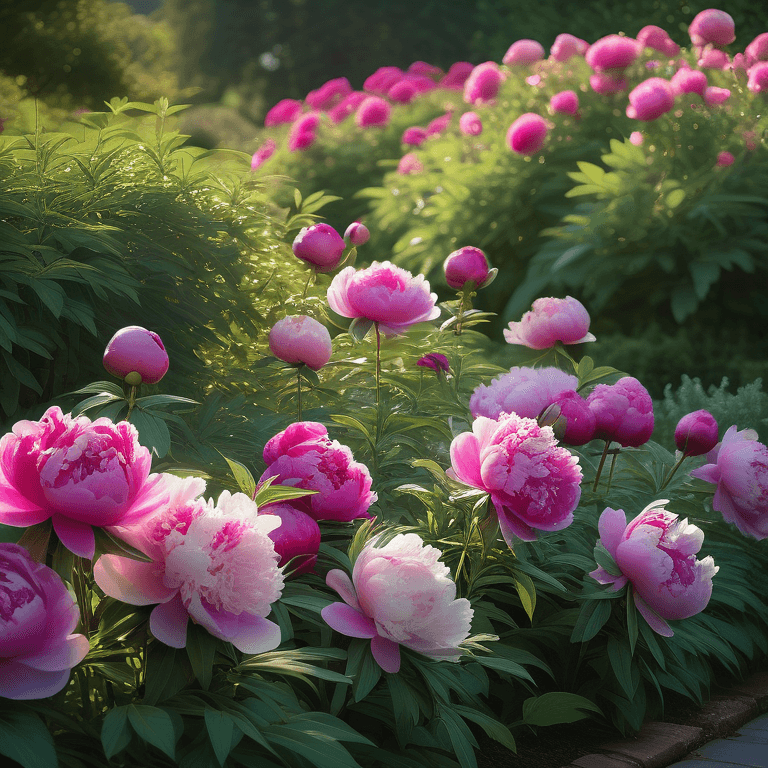

Ultimate Guide to Growing Stunning Peony Flowers
Introduction
Pink peonies, with their lush blooms and captivating fragrance, are a classic symbol of a happy marriage and represent prosperity in many cultures. These beautiful flowers, admired for their variety of colours and forms, can transform any garden into a vibrant paradise. This comprehensive guide will provide you with all the information you need to cultivate stunning peonies that will bring you joy for years to come.
Understanding Peony Basics

Peonies (Paeonia) belong to a genus of herbaceous perennials and deciduous shrubs. They are native to Asia, Europe, and Western North America, with a history spanning over 2,000 years. Their large, showy flowers bloom in a range of colours from pure white to deep crimson and even yellow.
Beyond their striking beauty, peonies are relatively low-maintenance plants, making them ideal for gardeners of all skill levels. Understanding their basic needs is the first step to unlocking a lifetime of floral beauty in your own garden.
The History and Significance of Peonies
Peonies have a rich history, particularly in ancient China where they were cultivated as early as the sixth century BC. They were highly prized by emperors and considered a symbol of good fortune, wealth, and a happy life. Their medicinal properties were also recognized and utilized in traditional Chinese medicine.
With the spread of Buddhism, peonies became associated with compassion and were often planted near temples. Over time, they became a beloved motif in Chinese art, poetry, and textiles, symbolizing beauty, grace, and prosperity.
Today, peonies continue to be cherished worldwide for their exquisite beauty and symbolism. They remain a popular choice for floral arrangements, especially for special occasions like weddings and anniversaries.
Different Varieties of Peonies and Their Characteristics
The world of peonies boasts an impressive diversity, with three main types: herbaceous peonies, tree peonies, and Itoh peonies. Knowing the difference will help you choose the best fit for your garden.
Herbaceous peonies die back to the ground each winter and re-emerge in the spring with fresh growth. They are known for their large, fragrant blooms and come in various colors and forms, including single, double, and semi-double petals.
Tree peonies, on the other hand, have woody stems that persist through winter, developing a shrub-like appearance. They produce even larger blooms than their herbaceous counterparts and offer a unique charm to the garden. Finally, Itoh peonies, developed in the 1940s, are a hybrid of herbaceous and tree peonies, combining desirable traits like large flowers, strong stems, and a longer blooming period.
Preparing Your Garden for Peonies

Before you introduce these floral gems to your garden, taking the time to create the perfect growing environment is essential. Peonies, though generally low-maintenance, will reward you with abundant blooms when their needs are met.
Start by choosing a location that receives at least six hours of sunlight each day. These sun-loving beauties need well-drained soil to thrive, so ensure the planting area doesn't experience standing water after rainfall.
Choosing the Right Location for Planting
Selecting the perfect spot for your peonies is crucial for their long-term health and bloom performance. Remember, these plants are long-lived and prefer to stay undisturbed once established.
Ideally, choose a location that enjoys full sun, meaning at least six to eight hours of sunlight each day. While peonies can tolerate partial shade, especially in hotter climates, they will produce more flowers when bathed in ample sunshine.
Good air circulation is equally important. Avoid planting them in cramped or poorly ventilated areas, as this can increase the risk of fungal diseases. Ensure adequate spacing between plants to allow air to circulate freely.
Soil Preparation and Requirements
Peonies prefer fertile, well-drained soil with a slightly acidic to neutral pH level. Before planting, it's beneficial to prepare the soil by removing weeds and adding organic matter like compost or aged manure. This improves soil structure, drainage, and nutrient content.
When planting your peony, ensure the eyes (buds) are positioned no more than two inches below the soil surface. Planting too deep can significantly reduce or even prevent blooming. A good rule of thumb is to place the roots on top of a mound of soil within the planting hole, ensuring the eyes are level with or slightly above the surrounding soil surface.
Finally, after backfilling the hole and watering thoroughly, consider adding a layer of mulch around the base of the plant, keeping it a few inches away from the stems. Mulch helps to retain moisture, suppress weeds, and regulate soil temperature, contributing to healthier, happier peonies. Some gardeners believe adding a penny to the planting hole brings good luck!
The Best Time to Plant Peonies
While technically you can plant peonies in late spring or early summer, fall planting is generally recommended for optimal results. Fall planting allows the roots to establish themselves during the cooler months, leading to stronger plants that are more likely to bloom profusely in the following spring.
Aim to plant your peonies approximately six weeks before the ground freezes in your region. This timeframe provides sufficient time for root development before winter sets in. If you live in a warmer climate with mild winters, you can extend the planting window into late fall.
Avoid planting peonies during the hottest months of summer, as the intense heat can stress newly planted peonies and hinder their establishment.
Planting Peonies Properly
Proper planting is crucial for peonies to thrive and produce those beautiful blooms year after year. Getting it right from the start will save you potential headaches down the line and set your plants up for success.
Remember those ideal site conditions we discussed earlier? Choose a sunny spot with well-drained soil and ample spacing for air circulation. Now, let's go through the steps to ensure your peonies feel right at home in their new home.
Step-by-Step Guide to Planting Peonies
Ready to plant your peonies? Follow these steps to ensure they thrive in their new home:
- Digging the Hole: Dig a generous hole at least twice as wide as the peony's root ball and about 18-24 inches deep.
- Amending the Soil: Amend the excavated soil with compost or well-rotted manure to improve drainage and fertility.
- Planting: Position the peony root so that the eyes (buds) are facing upwards, no more than 2 inches below the soil surface for herbaceous peonies, and slightly deeper for tree peonies. Backfill the hole gently, ensuring there are no air pockets around the roots.
- Watering: Water deeply after planting to settle the soil and eliminate air pockets.
- Mulching: Apply a 2-3 inch layer of organic mulch around (not touching) the base of the plant to help retain moisture and suppress weeds.
Watering and Mulching Techniques
Watering is essential, especially for young peonies, as they establish their root system. During the first year, water them deeply once or twice a week, depending on rainfall and temperature. Once established, peonies are relatively drought-tolerant but still benefit from regular watering during dry spells.
Applying a layer of mulch around your peony plants helps retain moisture, regulate soil temperature, and suppress weed growth. Use organic mulch like bark chips, shredded leaves, or compost, spreading a 2-3 inch layer around the plant while keeping it a few inches away from the stems.
Avoid overwatering, as soggy soil can lead to root rot. Check the soil moisture before watering and only water when the top inch of soil feels dry.
Tips for Plant Spacing and Arrangement
Adequate plant spacing is crucial for healthy air circulation, preventing fungal diseases, and ensuring each plant has enough space to thrive. When planting multiple peonies, space them 3 to 4 feet apart to allow for optimal growth and spread.
Remember that peonies do not like to be crowded, so avoid planting them too close to other shrubs or trees that might compete for nutrients and water. If you're planting a variety known for producing large flower buds, you might want to provide even more spacing to prevent overcrowding.
Consider staggering the bloom times by selecting peony varieties that flower at different times. This strategy ensures a continuous display of colorful blooms throughout the spring months. For instance, you can plant early, mid-season, and late-blooming varieties to extend the peony show in your garden.
Essential Care for Peony Plants
While peonies are relatively low-maintenance plants, providing them with some essential care will allow them to flourish and reward you with abundant, stunning blooms. Following a few simple practices can go a long way in keeping your peonies healthy and happy. Regular watering, appropriate fertilization, and seasonal pruning will help your peonies thrive. Now, let's explore each aspect in more detail.
Fertilizing Peonies for Optimal Growth
Peonies are not heavy feeders, but they benefit from fertilizing, especially during their growing season. In early spring, as new growth emerges, apply a balanced, slow-release fertilizer specifically formulated for flowering plants. Avoid fertilizers high in nitrogen, as this can promote leafy growth at the expense of large flowers.
If you prefer using organic methods, adding a layer of compost or well-rotted manure around the base of the plants (not touching the stems) in early spring provides them with the necessary nutrients. Fertilizing established peonies every two to three years is usually sufficient.
However, if your soil is poor or you notice stunted growth, fertilizing annually might be necessary. Always water thoroughly after applying fertilizer to prevent root burn.
Pruning and Deadheading Practices
Pruning and deadheading are essential practices to maintain your peonies' health, appearance, and encourage more blooms next season. Deadheading involves removing spent flowers regularly, preventing the plant from putting energy into seed production and redirecting it towards root and foliage development.
Cut the flower stalks down to the first set of strong leaves but avoid cutting back the foliage too much throughout the growing season. The leaves provide energy for the plant to store food for next year's blooms.
In the fall, after the first frost, cut back herbaceous peony stems to the ground, removing them completely. For tree peonies, prune back any dead or diseased wood, but avoid heavy pruning, as this can reduce flowering in the following year.
Managing Pests and Diseases in Peonies
While peonies are relatively pest-free, they can sometimes be susceptible to pests and diseases. Common pests include aphids, spider mites, and botrytis blight, which often appears as grey mold on the peony leaves and flowers, especially during humid conditions.
Regular inspection of your peony plants helps identify problems early on. Check for any signs of discoloration, wilting, holes, or unusual spots on the leaves and flowers. If you notice any pests, use appropriate insecticidal soap or neem oil spray to control them.
Preventative measures like ensuring good air circulation by spacing the plants properly, watering at the base to keep the leaves dry, and cleaning up plant debris in the fall can significantly reduce the risk of diseases.
Maximizing Peony Bloom Performance
Every gardener desires an abundance of those luxurious peony blooms. By understanding how to maximize their blooming potential, you can enjoy a truly spectacular display each spring.
From strategic fertilization to proper deadheading techniques, a few simple practices can significantly impact your peonies' flowering performance.
Strategies for Encouraging More Blooms
To encourage more blooms, ensure your peonies receive at least 6 hours of sunlight daily. Insufficient sunlight can lead to fewer buds and smaller flowers. While peonies can tolerate some shade, particularly in hotter climates, they bloom best when bathed in ample sunlight.
Deadhead spent flowers promptly by snipping them off just above the first set of strong leaves. This encourages the plant to put its energy into producing more blooms instead of developing seeds.
Divide overgrown clumps in late summer or early fall to maintain plant vigor and promote better air circulation, which can significantly impact bloom performance in subsequent years. Remember that peonies don't enjoy being transplanted frequently, so choose their location wisely and only divide when necessary.
When and How to Harvest Peony Flowers
Harvesting your peonies at their peak ensures the longest vase life and vibrant blooms for your enjoyment indoors. The ideal time to harvest peony flowers is in the morning when they are still cool and hydrated.
Look for flowers that have just begun to unfurl, showing a hint of color and a soft, marshmallow-like texture. Avoid harvesting flowers that are fully open, as they will have a shorter vase life.
Using sharp, clean pruning shears, cut the stems at an angle to maximize water uptake. Remove any leaves that will fall below the waterline in the vase to prevent rot and extend the vase life of your cut peonies.
Extending the Vase Life of Cut Peonies
Once you've harvested your beautiful peonies, you'll want to make them last as long as possible in your floral arrangements. Luckily, there are some simple tricks to extend their vase life and enjoy their beauty indoors for an extended period.
First, choose a vase that's the right size for your arrangement, ensuring the cut stems aren't crammed too tightly. Next, fill the vase with fresh, cool water, adding a floral preservative tablet or solution to nourish the blooms and inhibit bacterial growth.
Keep your cut peony arrangement away from direct sunlight, heat sources, and drafts, as these can cause the flowers to wilt quickly. Change the water every other day, recutting the stems at a slight angle to maximize water absorption.
Conclusion
In conclusion, growing stunning peony flowers requires patience and dedication. Understanding the basics, preparing your garden, and providing proper care are crucial for optimal growth and beautiful blooms. Remember to select the right location, prepare the soil adequately, and follow proper planting and maintenance techniques. By fertilizing, pruning, and managing pests effectively, you can ensure your peonies thrive. Maximize their bloom performance with strategic techniques and enjoy a vibrant display of flowers. Your efforts will be rewarded with a stunning peony garden that brings joy and beauty to your outdoor space. Happy gardening!
Frequently Asked Questions
Can peonies grow in shade?
While peonies thrive in full sun, they can tolerate partial shade, especially in warmer climates of North America. However, too much shade will significantly reduce their bloom production. If you have a shady spot where you'd love to see peonies flourish, consider alternatives like hostas, ferns, or astilbes, which thrive in shadier conditions.
How long do peony plants live?
Peony plants are incredibly long-lived and, with proper care, can thrive for decades -- some even for a century or more! Their longevity is one of the many reasons gardeners in the United States cherish them. Just imagine, the peonies you plant today could still be enjoyed by your future generations.
What to do if peonies don't bloom?
If your peonies aren't blooming, several factors could be at play. Ensure they're getting enough sunlight (at least 6 hours), they aren't planted too deep (eyes should be 2 inches below the soil surface), and they're not overcrowded by other plants. Sometimes, it takes a year or two for newly planted peonies to establish themselves and begin blooming.
Are coffee grounds good for peonies?
While coffee grounds can benefit some plants, it's best to use them sparingly around peonies. The acidity in coffee grounds can alter the soil pH, which peonies prefer to be slightly acidic to neutral. It's best to stick with well-balanced fertilizers formulated for flowering plants or organic matter like compost or worm castings to amend the soil.