
Beginner's Guide to Growing Comfrey in Your Garden
Introduction
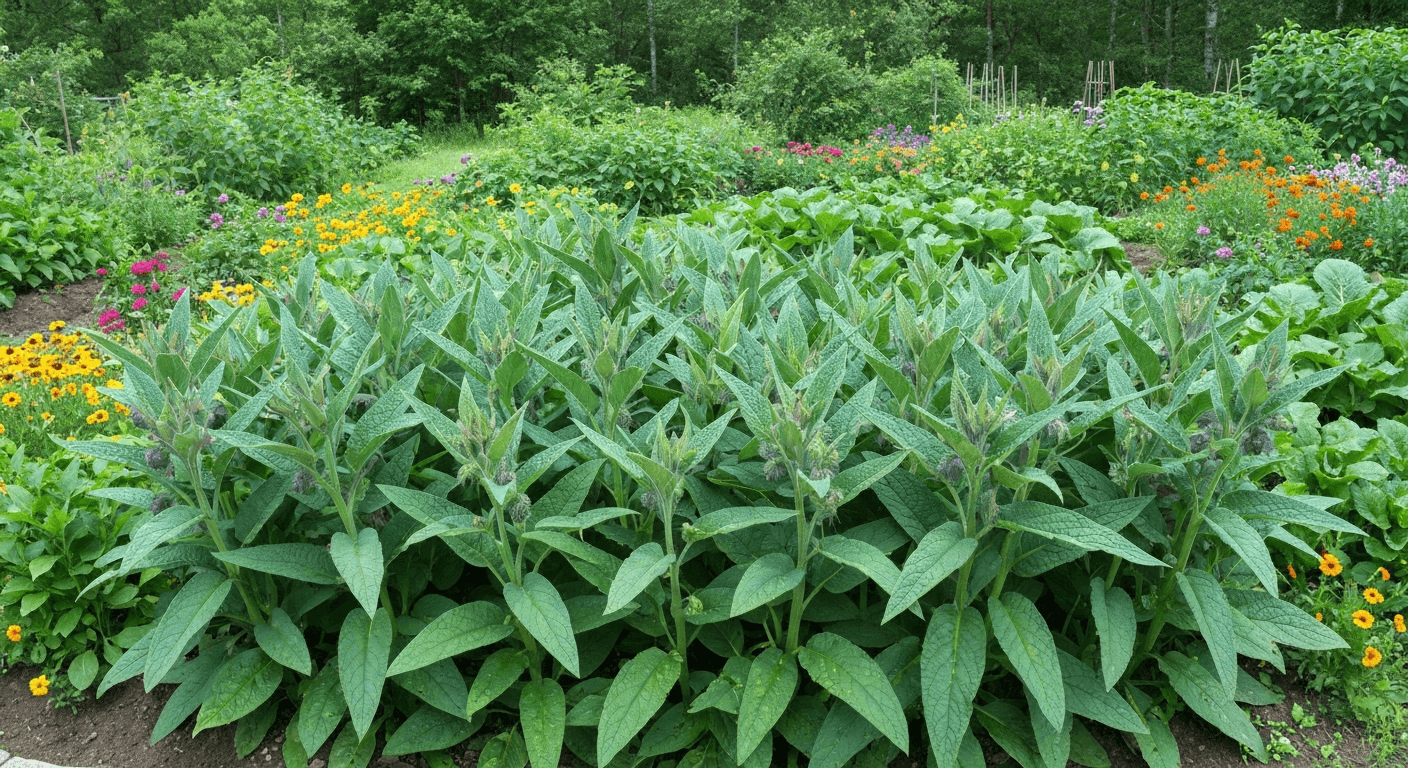
Welcome to the world of the comfrey plant! If you want a plant that is good-looking and useful, this is the one for you. Comfrey is a tough, hardy wildflower. It grows back every year and is simple to care for. The comfrey plant has soft, hairy leaves and small bell-shaped flowers. A lot of gardeners enjoy having comfrey because it can be used in several ways. You can grow it in full sun or if you have a shady spot, that also works. This plant is a good choice for your garden and can help your garden feel alive and healthy.
Understanding Comfrey: What Makes It a Great Garden Plant

The comfrey plant, also called Symphytum officinale, has been part of gardens in Europe and Asia for many years. People say it is a "dynamic accumulator" because it has deep roots. These deep roots can get nutrients from the soil that other plants do not reach. Then, the comfrey brings these nutrients up to the surface.
This special skill makes it a good idea to grow a mature comfrey plant if you are someone who wants healthy soil. The comfrey plant grows fast and gives a lot of organic stuff to help your whole garden get better. Now, let's look at the main advantages of using comfrey.
Key Benefits of Growing Comfrey at Home
One of the best things about growing comfrey is that you can make your own fertilizer at home. The plant has a lot of nutrients that plants really need to grow well.
Comfrey leaves have a lot of nitrogen and potassium. This makes them a good natural fertilizer. When you pick comfrey leaves, you have many ways to use them in your garden. They will break down fast and add their good nutrients to the soil. Other plants will use these nutrients to grow better.
Here are a few ways to use your comfrey:
-
Compost Activator: If you add layers of comfrey leaves to your compost, it helps things break down faster.
-
Liquid Fertilizer: Put the comfrey leaves in water and let them soak. This makes a "tea" full of food for plants like tomatoes.
-
Mulch: Just cut the comfrey leaves and lay them around the bottom of your plants. As the leaves break down, they feed the soil, much like manure does.
Different Types of Comfrey for Your Garden
While common comfrey, or symphytum officinale, is easy to find, it can spread fast by dropping seeds. Many gardeners like to grow a sterile hybrid instead, like russian comfrey. This type is called symphytum x uplandicum. It does not produce viable seeds and grows only if you use root cuttings or divide the plant. This gives you all the control over where your comfrey grows. Russian comfrey comes from Europe, but now many people in North America use this cultivar in their gardens.
There are a few kinds of plants in the Symphytum group. Each one is a bit different. True comfrey is the most common type that people know about. Some other comfrey plants have flowers in other colors. A few might have leaves that look a bit different too.
Comfrey Type Botanical Name Key Features Common Comfrey Symphytum officinale The original species, also called true comfrey. Can be invasive. Russian Comfrey Symphytum x uplandicum A sterile hybrid. 'Bocking 14' is a popular, non-spreading cultivar. Caucasian Comfrey S. caucasicum Valued for its beautiful flowers that change from pink to blue. Large-Flowered Comfrey S. grandiflorum Features showy, cream-colored to white blooms.
Choosing the Best Spot and Conditions for Comfrey

Finding the best spot for your comfrey is important if you want it to grow well. This plant is not too picky about where you put it, but it does like some conditions better than others. Comfrey will do well in full sun. It can also grow just fine in partial shade. This makes comfrey a good choice for most kinds of gardens.
The main thing is to pick a spot where the plant will stay. It grows deep roots, so it is hard to move once it is set. The soil needs to have good drainage. This helps stop too much water from pooling. At the same time, the soil should hold enough moisture for the plant to grow well. Now, let's talk more about what soil, light, and water the plant will need.
Soil, Sunlight, and Water Needs
Comfrey does well in loamy and rich soil. But it can also grow in other soils, even clay. To help your comfrey plant at the start, add lots of organic matter like compost to the planting spot. This will make the soil better and improves good drainage. Good drainage is important to stop root rot.
While the plant can handle a bit of drought once its deep roots grow, it will do much better if it always gets enough moisture. Young plants need you to keep the soil wet, but not too wet. The soil should feel moist, not soggy. For mature plants, check the top one or two inches of soil. If it feels dry, it's time to water the plant.
Here's a quick summary of its ideal conditions:
-
Sunlight: The plant needs at least three hours of full sun each day. It will feel good with some shade in the afternoon if where you live is hot.
-
Soil: The soil must be loamy and drain well. It is best to have a lot of organic matter in it.
-
Water: Keep the soil moist all the time, more so when the plant is young.
-
pH: A pH that is neutral is best, but the plant can also live in soil that is a little acidic or a little alkaline.
Outdoor vs. Container Growing: What Works Best?
When you think about where to grow comfrey, you need to choose if you want to put it in a pot or right in the ground in your garden. Comfrey has a really long and deep taproot that can go several feet down. Because of this, comfrey does not do well in a pot over long periods. A small space keeps it from growing the way it wants and stops it from getting the food it needs from the soil.
But, planting in a pot is a good short-term idea or a way to stop it from growing all over, especially in a small garden. If you will do this, pick a very big pot. It should hold at least 5 gallons or more. You can put your cuttings in a smaller pot to start. A greenhouse can help during their first season before you move them.
Here's a quick comparison:
-
Outdoor Planting: This is good for the plant because it can reach its full size. It will grow deep roots that help it get water and food from the lower soil.
-
Container Growing: This way of planting will keep the plant from spreading too much, but it will be smaller and may not be as strong. You will need a big container and more water often.
Beginner's Guide: Getting Started with Comfrey
Are you ready to grow your own comfrey plant? You do not need years of experience to get started. The process is simple. Anyone can do this and get good results. The best way to have a new comfrey plant is to use root cuttings or crown cuttings. Using cuttings is easy and helps you grow comfrey fast. You will feel good when you see the new comfrey sprout.
This way is quicker and gives more dependable results than starting comfrey from seed. It works well if you want a certain kind that does not spread. If you plant your comfrey cuttings the right way, you will get a healthy and strong plant. This plant can keep growing for many years. Below, you will see what you need and how to pick the right comfrey cuttings for planting.
What You'll Need to Grow Comfrey Successfully
Get the right supplies before you start planting. This helps make the work smooth and gives you a better chance for success. You do not need any special fertilizer for comfrey. It is not like other garden plants that may need extra help. You only need to make sure the soil is in good shape from the start. Good soil is key for comfrey planting.
The main thing you need to decide is what you want to plant. You can choose comfrey seeds or go with root cuttings, which are used more often. Most people say that root cuttings are better for those who are new to growing comfrey. You should use some soil improvements to help the comfrey plant grow well. A lot of organic matter in the soil is very important for a happy comfrey plant.
Here's a basic list of what you'll need:
-
Planting Material: You can use comfrey root cuttings, crown divisions, or seeds for planting.
-
Soil Amendments: Add plenty of compost, aged manure, or other rich organic matter to the soil.
-
Basic Tools: A spade or garden trowel works well for digging.
-
Watering Can or Hose: You will need this for the first watering and ongoing care.
Choosing Between Seeds, Root Cuttings, or Divisions
When you want to grow more comfrey, you can do this in a few ways. Each way has its own good points. The way you choose will depend on your needs and the type of comfrey that you want to have in your garden.
For most gardeners, it is best to use comfrey root cuttings or crown cuttings. Crown cuttings are pieces of the comfrey plant's crown that have roots and some new shoots. They are very easy to use and most people will see good results. A gardener can use this way to grow more comfrey from a mature comfrey plant in early spring. Root cuttings are small bits of the root, and they make new comfrey plants come up quickly.
Here's a breakdown of your choices:
-
Root Cuttings: This is the best way to grow sterile comfrey types like 'Bocking 14'. It works very well.
-
Crown Divisions: You can also make new comfrey plants by dividing the crown of an older plant. Just split the crown and put the parts back in the ground.
-
Seeds: You can use seeds for common comfrey, but know that it can spread fast because it makes many viable seeds. Seeds need to go through a cold period before they will grow.
Step-by-Step: How to Plant and Propagate Comfrey
Now that you have all your materials, you can start the best part: planting. Planting is simple, and the comfrey plant is known to be very tough. One of the good things about comfrey is that it can grow again from just a small piece of root.
The way root cuttings grow back is very strong. This makes planting with cuttings a good method. If you follow a few easy steps, your new comfrey plant will grow well. It will settle fast in your garden. Let me show you how the process works, starting with getting the space ready to putting your comfrey plant in the ground.
Step 1: Preparing the Site or Container
Getting the area ready is important for growing comfrey. Comfrey needs a good spot because it will stay there for a long time. Make sure you pick a place where it can grow well. Begin by taking out all weeds or grass so they do not fight with your comfrey.
Next, you need to make the soil better. Dig a hole or turn over the dirt where you want to plant your comfrey. Mix in a lot of organic matter with the soil. You can add a few inches of compost to help the soil. This will make the ground have good drainage and become richer, which is important for comfrey to grow well. You should do this step if you are planting in the ground or in a large container.
Once you add things to the soil, you can start planting. You can get a layer of mulch ready to put down after you finish planting. The mulch helps hold in moisture and slows down weed growth. If you take these steps, your plant will grow strong and healthy.
Step 2: Planting Seeds, Root Cuttings, or Divisions
The way you do planting will change a bit if you use seeds, cuttings, or small divisions. No matter which way you pick, you have to keep the right depth and enough space for the plants.
If you are using comfrey root cuttings, the steps are easy. Just put the cuttings flat in the soil about 2-3 inches deep. If there is a small bud, make sure the bud is facing up. You should space your comfrey cuttings or root cuttings about 2 to 3 feet from each other. This will give them enough room as they grow into big plants.
Follow these guidelines for planting:
-
Root Cuttings/Divisions: Plant root cuttings about 2 to 3 inches down in the soil. If you are not sure which side goes up, put them in flat, since planting root cuttings sideways also works.
-
Comfrey Seeds: Plant comfrey seeds only about 1/4 inch deep during the fall. They need the cold weather to help them start to grow.
-
Spacing: Leave about 24 to 36 inches between each comfrey plant so they have room when big. After you finish planting, give the area a good watering so the soil can settle in place and give the roots plenty of moisture.
Step 3: Initial Watering and Mulching Techniques
After you put your comfrey in the ground, the next thing to do is help it build strong roots. The first time you water is important. Make sure to use a lot of water so there are no air pockets around the roots. This helps the roots touch the soil well. Try to keep the soil moist all the time, but make sure the area does not get too wet.
After you water, adding a layer of mulch is very good for the soil. Mulch helps keep moisture in, which is very important for young plants when they start to grow. It also keeps weeds down, so these weeds do not take water, food, or sun away from your young plants.
Here are two effective mulching techniques:
-
Organic Mulch: Put a layer of straw, shredded leaves, or wood chips that is about 2 to 3 inches thick around the plant.
-
Nutrient-Rich Mulch: Use compost or well-rotted manure as your mulch. This kind of mulch will slowly give off nutrients to the soil each time you water.
Step 4: Tips for Southern Climates and Common Planting Mistakes
Growing comfrey in the south takes some changes because the heat can get strong and there may be drought. While comfrey likes the sun, it should not have too much sun later in the day. It is good to plant comfrey where it gets sun in the morning but stays in the shade in the afternoon. A thick layer of mulch is important to help the roots stay cool and keep the soil moisture in. This will help your comfrey get through dry and hot days.
Comfrey can be easy to grow, but there are some mistakes that people can make. If you know about these things early, you can avoid a lot of trouble. This helps your comfrey planting go well the first time.
Avoid these common mistakes:
-
Planting Too Deep: When you bury comfrey cuttings more than 3 inches deep, the cuttings can use up all their energy before there's a chance to sprout.
-
Moving an Established Plant: If you try to move a mature comfrey plant, it is almost impossible. Any small piece of root you leave in the ground will grow into a new comfrey plant.
-
Poor Drainage: Putting cuttings in wet soil will cause the roots to rot. The roots will not have time to grow the right way.
Year-Round Care and Maintenance of Comfrey Plants
Once your comfrey is growing well, you do not need to do much to help it. This strong plant will keep growing every year with little work from you. In early spring, you will see lots of big green leaves. This will last all summer. The most important thing you need to do is give the comfrey some care each season. This helps keep it healthy and helps you get more green leaves.
You can help your comfrey plants in many ways through the year. It is good to help new growth show up in the spring. You should also help your plant get ready for the autumn when it will rest. A few easy steps can help your comfrey do well. Let's see what you can do for watering, feeding, and pruning so you get the most out of your comfrey at any time of year.
Watering, Feeding, and Seasonal Care
Your mature comfrey plant can take care of itself most of the time. But if you give it steady care, it will grow even better. When the comfrey plant is well-rooted, its deep roots help it handle drought. Still, you should water it when the weather is dry for a long time. This will help it keep healthy, green leaves.
You do not have to use commercial fertilizer when you are feeding comfrey. This plant is very good at getting its own food from the soil. Instead, work on making the soil better by adding organic matter. In the spring, put a top layer of compost or manure on the soil. This will give comfrey all it needs. The leaves will have high levels of nitrogen and potassium because of this.
For seasonal care, follow these simple tips:
-
Spring: Put some compost or manure around the bottom of the plant. This will help give the plant food for new growth.
-
Fall: When the plant dies back, cover the crown with a thick layer of mulch. This will keep the roots safe from the winter cold.
Pruning, Harvesting Leaves, and Encouraging Healthy Growth
Pruning and harvesting are important for taking care of your comfrey plant and making sure you get what you need from it. You can pick comfrey leaves several times during the year. The best time for the first harvest is when the comfrey plant grows to about two feet tall, right before it starts to make flowers. Cut the comfrey down, but be sure to leave a few inches at the bottom. This helps it grow again.
This type of pruning helps the plant make new growth. You may even see a second or third harvest. During the first season, do not take any green leaves. Let the comfrey put its energy into making strong roots. While comfrey does not have many pests, watch out for snails and slugs. They like to eat the tender green leaves.
To encourage healthy growth:
-
Prune for Growth: After you see the first bloom, cut the plant back to about 6 inches. This will help new leaves grow.
-
Harvest Regularly: Cut leaves during the season. You can use them as mulch or fertilizer.
-
Control Spread: For types that are not sterile, remove flower heads right away. This will stop the plant from dropping seeds.
Conclusion
To sum up, growing comfrey in your garden can be a good move for both new and experienced gardeners. This plant gives many benefits. It helps the soil and works as a natural fertilizer. Comfrey is a great choice to add to your garden. If you know what it needs for sunlight, water, and soil, you can set the right space for it to grow. Follow the steps on planting and taking care of comfrey to help it stay healthy all year. Take the time to enjoy looking after your garden, and let comfrey help you feel happy with your work as a gardener.