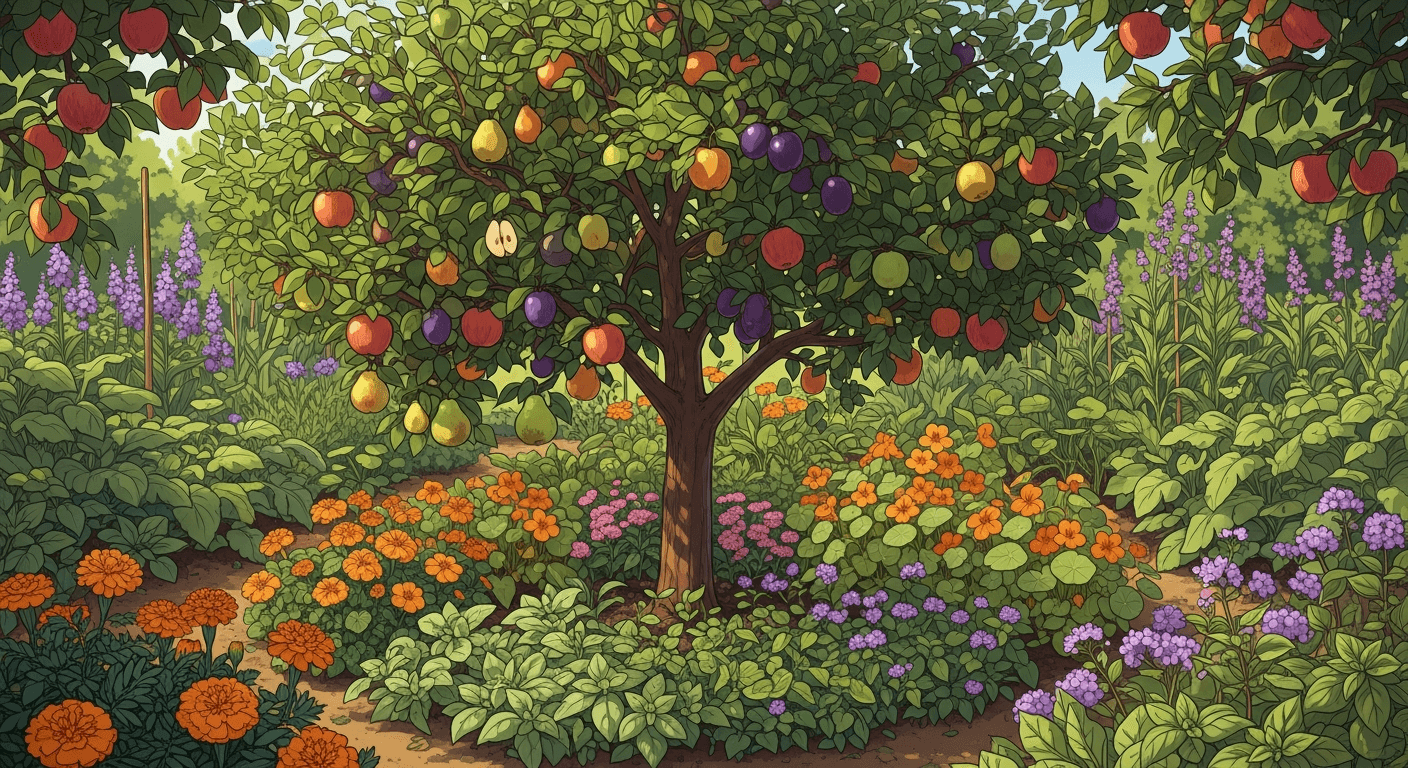

How to Create Fruit Tree Guilds Permaculture Systems
Introduction
Have you ever wished you could have the kind of garden that looks after itself? A fruit tree guild is a big idea in permaculture. It can help you make this dream come true. In this system, different plants are put around a main fruit tree. They help each other and make the area around the tree grow better. A permaculture system lets you work with nature. This way, you can get lots of good, healthy food with less work. Let's see how you can bring these helpful plant groups into your own yard.
Understanding Permaculture Guilds and Their Importance in Fruit Tree Systems

A permaculture guild is like a team of plants. A fruit tree is often the main part of this group. They all work together to build a strong and healthy environment, just like what you see in a food forest. Each plant in the guild has a special role to help the others.
By using permaculture principles, you can make a system that lowers the need for fertilizers and pesticides. This is key for a healthy, productive, and sustainable garden. Now, let's talk about what a guild is and why it is so good.
What Is a Permaculture Guild?
A plant guild is a group of plants and living things that help each other grow and stay healthy. You can think of it as a small ecosystem. This idea comes from how different types of plants and living things work together in nature, making sure there is balance. Permaculture practitioners build these guilds to act like natural systems, and every part of the guild has an important job.
The aim is to boost productivity and help your garden handle problems better. This makes work easier for you. Your plants will grow healthier too. A good guild will bring beneficial insects. It will help the soil as well. You also get more biodiversity in the garden. Every plant is there to support the central element, which is often a fruit or nut tree.
This way of gardening does not use single-crop planting. Instead, it brings in groups of plants that work well together. When you make these groups, the garden is stronger and it can look after itself better. You also will not need to use as many things from outside to help the plants grow.
Why Use Guilds Around Fruit Trees?
Putting a guild around a fruit tree is a good way to help it grow for years. You do not just plant the tree in grass and leave it alone. You plant the tree with other plants that help each other. This is called companion planting. It makes a small food forest. The plants and the fruit tree grow well together, which helps with sustainability.
The plants in the guild each help the fruit tree in their own way. Some of these plants add nitrogen into the soil. This works as a natural fertilizer for the fruit tree. Other plants help bring in pollinators. Pollinators help your tree make more fruit. There are also some plants that keep pests away, so your crop stays safe from harm.
In the end, this way of doing things makes your permaculture garden strong and full of life. You make a system that looks after itself. This means you have less work to do, but you can get more from your garden. It is a good way to use permaculture by working with nature, not fighting it.
Key Benefits for Permaculture Gardens

When you add guilds to your permaculture garden, you get many good things. Your garden gets stronger and simpler to take care of as time goes on. The way the plants work together in this permaculture garden brings more good results than each plant could give alone.
One big benefit is better soil health. Plants that put nitrogen into the soil and pull up food from deep down help feed the ground. This gives the earth more organic matter. It makes a strong base for all plants in the guild. Using ground cover means you will need less water, as these plants keep moisture in the soil.
Guilds help add diversity and strength in different ways:
-
Natural Pest Control: Companion plants help with pest control. These plants can pull in beneficial insects that eat pests or keep harmful pests away.
-
Attracting Pollinators: Flowers in the guild bring bees and other pollinators. These pollinators are needed for fruit to grow.
-
Resource Efficiency: The guild uses space, light, and nutrients well. This means there is less waste, and it works like the way things work in nature.
The Core Components of a Fruit Tree Guild
A good plant guild has some main parts. Each one has a clear job. The central element in the guild is often a large fruit tree. This tree gives you most of the food and shapes the area. You then practice companion planting by putting helpful plants around this fruit tree. These support its growth and the health of the whole guild.
If you want to build a good food forest, you should know about these parts. In a food forest, there are plants that help the soil, and some that keep pests away. Every plant in the guild helps out in its own way. Now, let's talk about what the important plant roles are, and look at some examples you can try in your own food forest.
The 7 Essential Plant Roles with Real-Life Examples
A strong guild uses perennial plants that take on a few important jobs. These jobs work with each other to help your main tree. A good guild system can keep going on its own this way. The first thing to do is to know the job of each plant in your guild. That will help you choose the right perennial plants for your guild.
Nitrogen fixers take nitrogen from the air and add it to the soil. This helps other plants get the nitrogen they need. Plants called dynamic accumulators have deep roots. They pull up minerals so other plants can use them. Ground cover plants protect the soil. Some plants help by bringing in beneficial insects. Others help keep pests away. You can use shrubs and vines to get more out of your growing space.
Here is a look at some key roles plants can have, along with some examples:
-
Central Element: This is the main crop in the garden. It is often a fruit or nut tree, like Apple, Cherry, Pear, or Hazelnut.
-
Nitrogen Fixers: These plants help change atmospheric nitrogen into a form that the other plants can use. Some good nitrogen fixers are Clover, Lupins, Peas, and Beans.
-
Dynamic Accumulators: These go deep into the soil to bring up nutrients. A few examples are Comfrey, Dandelion, and Yarrow.
-
Attractors/Repellents: These either attract pollinators, or they help keep away pests. You might use Chives, Mint, Rosemary, or Nasturtium as attractors or to reduce pests.
-
Mulchers/Suppressors: These plants work as a ground cover. They help hold in moisture and keep down weeds. Strawberries and Creeping Thyme can be good for this.
-
Climbers/Vines: These use space that goes up instead of out. Beans, Peas, and Sweet Peas are all vines that help here.
-
Edible Roots/Tubers: These give an underground crop that you can eat. Try Dandelion and Chicory for roots and tubers.
Common Plant Partners for Fruit Tree Guilds
When picking what to grow with your fruit tree, you have many good choices. The best ones often depend on the weather where you live and what you want from your tree. Still, some plants can do well most of the time. It's always a good idea to choose native plants or useful edible plants to go with your fruit tree.
Comfrey is a popular plant that many people use as a mulcher. It has deep roots that pull up good things from the soil. You can cut the leaves and put them on the ground to make mulch. Clover is another good plant for ground cover. It helps put nitrogen in the soil, making it better for plants. Both comfrey and clover are great for their deep roots and helping other plants grow.
Other good and helpful plant partners include:
-
Strawberries: These make a tasty ground cover, and they help keep weeds down.
-
Chives and Mint: These herbs smell nice, can help keep pests away, and bring in beneficial insects.
-
Dandelion and Yarrow: People often call these plants weeds, but they pull up good things from the soil and also bring in pollinators.
-
Lupins: These flowers look nice and are strong nitrogen fixers.
How Each Component Supports the Whole System
The best thing about a guild is the way that each plant helps support the others. These plants work together. A good example is how nitrogen-fixing plants, like clover, give a natural boost of nitrogen to the fruit tree and nearby plants. This helps improve soil health for all plants in the guild.
At the same time, flowering herbs and shrubs help to bring in beneficial insects. These insects help with pollination for your fruit tree, which means you might get more fruit. They also help with pest control because they eat the bugs that can harm your garden. This gives your garden a natural way to stay safe.
Ground cover plants help stop weeds from growing and keep water in the soil. This means you need to water and pull weeds less often. When you chop and drop plants like comfrey, they add new organic matter and biomass to the soil. This brings nutrients back and helps the cycle go on. Because the ground cover and these plants work together, the system gets more diverse and strong. Over time, it also becomes more useful with higher moisture and better soil.
Step-By-Step Guide to Designing Your Fruit Tree Guild
Are you ready to make your own fruit tree guild? Planning one is a fun mix of being creative and using natural ideas. The main thing is to pick the right plants and put them together so they help each other. By doing this, you get better food production from your fruit tree and the whole guild.
The first thing you need to do is look closely at your space. You should also think about your local climate. Once you know more about these, you can choose a fruit tree and good companion planting partners for it. This guide will help you step by step, so you can build a healthy and strong permaculture system.
Site Assessment and Planning
Before you plant a fruit tree, it's important to know your yard well. Take some time to see how much light hits each part of your yard. Look at these spots several times a day. A fruit tree will need to be where it can get enough sunlight. This will help it grow well.
First, you need to look at your local climate. Think about the wind you get and how much rain falls in your area. This will help you know what plants will do well where you live. You should check your soil health too. Ask yourself: Is the soil sandy, clay, or loamy? Does it keep moisture, or does water run off fast? You can still work to make your soil better, but it is important to know what you are starting with.
Make a simple map of the area where you live. On the map, show where the sun shines most, which way the wind goes, and where you find more or less moisture. This will help you plan your guild to fit your property. A good plan like this gives you a strong start and helps you do well from the start.
Selecting Fruit Trees and Supporting Plants
After you check your site, it is time for a more exciting part: picking your plants. Start with a main fruit tree that is easy to grow in your area. You can choose apple, pear, plum, or cherry trees. The one you pick will depend on the weather where you live. It is good to choose native species or kinds of trees that can live well in your region.
With your main tree chosen, you can start picking plants that will help it. Try to pick at least one plant for each main guild role. You should look for a good mix of shrubs, herbs, ground covers, and vines. These plants will work together and help each other. This way, you can make a strong and healthy ecosystem.
Here is a simple checklist you can use when you want to pick your supporting plants:
-
A plant like clover or lupins can help put more nitrogen in the soil.
-
A plant that brings up good things from deep in the ground, such as comfrey or dandelion.
-
A ground cover that keeps weeds down, like strawberries.
-
A plant that brings in insects, such as chives, yarrow, or mint.
Layering Plants for Maximum Diversity and Resilience
Layering is an important way to make a strong guild. Think of it like how things grow in a forest. You want to use all the space above and on the ground. This helps to make more biodiversity and makes the whole system stronger because things link together. To start, plant your fruit tree right in the middle.
Next, plant the shrubs and bigger perennial plants around the tree. Be sure to leave room so these plants can grow well. After that, fill any open spaces with the herbaceous layer. Add plants to bring in pollinators and push away pests. These layers help make homes for different good organisms.
At the end, set up your ground cover layer. You can use plants like strawberries or creeping thyme. These will spread out across the ground and cover the soil. With ground cover like this, you help stop erosion, hold in moisture, and hold back weeds. When you do all these jobs at once, you get a thick, living mulch that helps the whole guild. This will make the group of plants stronger and helps them do well on their own.
Troubleshooting and Tips for Thriving Guilds
Even the best plans can face some problems. A good permaculture system is not something you set up and leave. It is a living group of things that need you to watch and change things sometimes. If you check on it often, you can spot problems early.
Keep an eye on things like pest control, soil moisture, and how different plants grow next to each other. Don't feel you have to keep things the same; you can change your guild as time goes on. Making small changes as your garden grows helps you work with nature. This is how you create a garden that does well. Now, let's see some common mistakes and ways you can adjust your guild over time.
Common Mistakes to Avoid
When you start making your first plant guild, it is easy to make some common mistakes. A big one is not thinking about how big a plant will get when it is grown. If you put plants too close together, they will fight for light and food. This stress can make your plants weak. When this happens, your guild is open to pests and health problems.
Another mistake you can make is growing too much of the same plant in your guild. This is called a monoculture. The power of a guild is in having many different plants. If there is not enough variety, there can be problems, like too many pests. Make sure you use plants from all the different types and roles.
To help your guild grow, try not to run into these problems:
-
Forgetting to Mulch: A layer of wood chips or compost can help keep more moisture in the soil and stop weeds from growing. This is very important when the guild is new.
-
Improper Watering: The young plants need to get enough water all the time. This helps their roots grow strong, even in a place that is made to save moisture.
-
Ignoring the Soil: Your plants do best when the soil is healthy. If your soil is poor, be sure to add what is needed. Don't skip this step.
Adapting Your Guild Over Time
A permaculture guild is not fixed. It changes and grows over time. As your fruit tree gets bigger and your perennial plants get older, things in the guild will change. This happens because of something called succession. It is a normal part of nature and you can use it to help your guild stay strong.
Look at your guild through each season and as the years go by. You may see that some plants do well, but others might not. There could be open spots where you could plant more things. Ask yourself if you need to add more organic matter to help the soil health or bring in new plants for more biodiversity. For example, if your soil does not feel strong, you can add plants that give more nitrogen. This is a good way to make things better.
Don't feel scared to try new things in the garden. You can cut some plants to help let in more light. You can also split and move perennials if they are spreading a lot. Try adding a new plant to find what works in your guild. Changing things around in your garden is something you keep doing. This helps you shape your garden so it grows strong and gives more over time.
Frequently Asked Questions (FAQ)
Understanding the basics of fruit tree guilds can bring up many questions for people who practice permaculture. A lot of people want to know the best companion planting ideas to help the soil stay healthy and keep pests away. People also ask which nitrogen fixers like white clover, clover, and peas to use to add nitrogen to the soil. Some ask about ground cover plants like yarrow that help increase biodiversity in a food forest. There are also questions about how to bring in beneficial insects and pollinators, both of which help the food forest work well. When you spend time on these things, you help build a system that gives you good fruit, strong pest control, and better soil health in the long run.
How do plant guilds support a successful food forest design?
Plant guilds are the main parts of a food forest. Each guild helps create a spot with high biodiversity. They bring in beneficial insects that help with pollination and pest control. When you link a few guilds in the same place, you build a tough and productive ecosystem. This ecosystem works like a natural forest.
Are there step-by-step instructions for planning a fruit tree guild?
Yes, you can plan a fruit tree guild in easy steps. Start with looking at your space. Then pick a main fruit tree. After this, choose companion planting partners. Pick plants that will help in key ways. You can use nitrogen-fixing legumes, dynamic accumulators, and ground covers. These will support your tree and help make a strong permaculture system.
Which plants are best for beginning a fruit tree guild in the United States?
If you are new to this in the United States, you should choose easy and strong plants. You can use comfrey, yarrow, and white clover for ground cover. Some good shrubs and perennials to try are chives and mint. When you can, pick native plants and edible plants that grow well in your area.
Conclusion
In the end, making fruit tree groups in your permaculture systems is more than just putting plants in the ground. It is about helping the ecosystem in your food forest grow well. When you know what each plant does and how they work together, you can build a strong place that gives you more fruit and needs less care. Be sure to check your yard, pick the right plants, and place them in layers. This way, there will be balance in your garden. As you follow these easy ideas, you will bring more biodiversity and help grow a great food forest. If you want to start or you need some help, feel free to ask for advice!