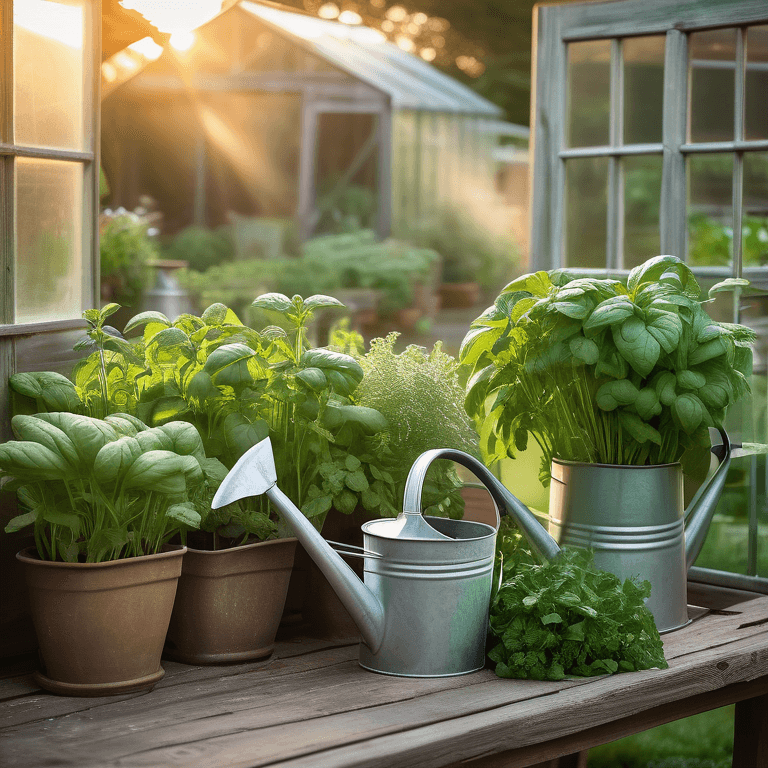

Essential Tips for Herb Farming Newbies
Introduction
The allure of cultivating your own fresh herbs is undeniable, captivating both seasoned gardeners and aspiring herb farmers. Establishing a thriving herb farm, whether for personal use or commercial purposes, promises a rewarding experience. This comprehensive guide provides essential knowledge and practical tips to empower aspiring herb farmers on their journey.
Understanding Herb Farming Basics

Embarking on your herb farming journey begins with a solid understanding of the fundamentals. From soil composition and climate considerations to selecting the right herb varieties, each element plays a vital role. This journey necessitates a blend of knowledge, planning, and a genuine passion for nurturing these aromatic plants.
Whether you envision a small backyard herb garden or dream of expansive herb fields, grasping the basics is paramount for success. Let's explore the essential aspects of herb farming, empowering you to create and sustain a thriving and fruitful endeavor.
The Appeal of Growing Herbs
The allure of herb gardening extends beyond their exquisite flavors and aromas; it encompasses a deep connection with nature and the satisfaction of utilizing their medicinal properties. Culinary herbs, like basil, oregano, and thyme, elevate dishes with their unique flavors, while medicinal herbs, such as chamomile, lavender, and mint, have been cherished for centuries for their therapeutic benefits.
Imagine sipping a soothing cup of chamomile tea harvested from your garden or adding freshly picked rosemary to enhance your culinary creations. Cultivating herbs offers a sense of self-sufficiency and accomplishment as you directly benefit from the fruits of your labor.
Whether you aspire to transform your backyard into a fragrant oasis or dream of launching a full-fledged herb farming business, the journey promises fulfillment, offering a tangible connection to the natural world and its abundance.
Types of Herbs to Consider: Culinary and Medicinal
The world of herbs encompasses an impressive variety of both culinary and medicinal plants, each possessing unique characteristics and applications. When choosing herbs for your garden, consider your personal preferences and intended use.
Culinary herbs play an important role in enhancing the taste and aroma of countless dishes. Popular choices include:
- Basil: Its sweet, slightly peppery flavor is excellent in Italian cuisine, salads, and pesto.
- Cilantro: This pungent herb, with its citrusy undertones, is a staple in Mexican, Indian, and Southeast Asian dishes.
- Chives: These delicate, onion-flavored herbs are perfect for garnishing soups, salads, and egg dishes.
On the other hand, medicinal herbs have been used for centuries for their therapeutic properties. Popular examples include:
- Chamomile: Known for its calming effects, chamomile is often enjoyed as a tea to promote relaxation and sleep.
- Lavender: With its distinct floral aroma, lavender essential oils and teas are used to alleviate anxiety and promote sleep.
- Mint: Various mint varieties, such as peppermint and spearmint, offer digestive benefits and are frequently used in teas, desserts, and savory dishes.
Preparing for Your Herb Farming Venture

Preparation is key for any successful endeavor and herb farming is no exception. Before you sow your first seed or transplant your first seedling, it's crucial to lay the groundwork for a thriving herb garden. Gather the essential tools, research suitable herb varieties, and select the ideal location.
Just as a chef gathers ingredients before cooking, a successful herb farmer equips themselves with the necessary knowledge and resources to cultivate a bountiful harvest. This preparation phase ensures a smoother and more successful herb farming experience.
Essential Tools and Resources for Beginners
Starting an herb garden requires a few essential tools and resources, most of which are readily available and inexpensive. Acquiring high-quality tools makes the gardening process more manageable and enjoyable.
Must-have tools include:
- Gardening gloves: Protect your hands from thorns and dirt while working in the garden.
- Hand trowel: This versatile tool helps with planting, transplanting, weeding, and mixing soil.
- Watering can or hose: Regular watering is essential, so a good watering system is crucial.
- Pruning shears: These come in handy for harvesting herbs and removing dead or diseased plant parts.
Optional, but beneficial, resources include:
- Raised garden beds: These can be a game-changer, especially if you have limited space or poor soil conditions.
- Greenhouse or polytunnel: These structures extend the growing season and offer a controlled environment for your herb plants.
- Compost bin: Create your own nutrient-rich compost to enrich your garden soil and reduce waste.
Selecting the Right Location and Soil
Choosing the right location and soil is crucial for a thriving herb garden. Most herbs thrive in well-drained soil with a slightly acidic to neutral pH ranging from 6.0 to 7.0. Ensure the location receives at least six hours of sunlight daily and consider factors like wind exposure and accessibility to irrigation.
Consider these elements:
- Sunlight: Herbs generally require ample sunlight to flourish.
- Soil Drainage: Well-drained soil prevents waterlogging, which can be detrimental to herb plants.
- Accessibility: Choose a location that's easily accessible for watering, weeding, and harvesting.
Performing a soil test before planting provides valuable insights into its composition and helps you make necessary amendments to optimize its suitability for herb cultivation.
Step-by-Step Guide to Starting Your Herb Garden
Now that you've grasped the essential elements of herb farming, let's break down the process of starting your herb garden into manageable steps. Just as a conductor guides an orchestra, these steps provide a structured approach, ensuring harmony in your gardening endeavors.
Each step builds upon the previous one, guiding you through the journey of transforming an empty space into a fragrant and flourishing herb garden.
Step 1: Planning Your Herb Garden Layout
Before you begin planting, take some time to plan the layout and design of your herb garden. A well-thought-out plan maximizes space utilization and ensures that each herb receives adequate sunlight and airflow.
Consider these essential elements during the planning stage:
- Available space: Determine the area you intend to dedicate to your herb garden.
- Herb selection: Choose herbs that align with your culinary preferences, intended uses, and available space.
- Garden design: Explore various design options, such as traditional rows, raised beds, or even vertical gardening techniques.
Sketching a rudimentary design on paper helps visualize the final outcome and enables you to make adjustments as needed before you start planting.
Step 2: Choosing the Right Herbs for Your Climate
Selecting herbs that thrive in your specific climate is crucial for success. Different herbs have varying temperature and sunlight requirements. Research the best herbs for your region or consult local gardening experts.
Here are some examples based on climate zones across the United States:
- Warm climates: Basil, rosemary, oregano, and thyme are well-suited for warm, sunny regions.
- Temperate climates: Mint, parsley, chives, and dill thrive in milder climates with moderate rainfall.
- Cooler climates: Sage, chamomile, cilantro, and lemon balm can tolerate cooler temperatures and shorter growing seasons.
Consider factors like frost dates, average temperatures, and rainfall patterns when selecting herbs for your garden.
Step 3: Sowing Seeds or Planting Seedlings
You can either start your herbs from seeds or purchase seedlings from a local nursery. Starting from seeds can be more cost-effective, but it requires more patience and attention as you navigate the germination process. Seedlings, on the other hand, offer a head start in growth.
When sowing seeds, ensure proper planting depth and spacing. Keep the soil consistently moist but not waterlogged. For optimal germination, provide a warm and humid environment.
When planting seedlings, handle them with care to minimize root disturbance. Water them thoroughly after planting to promote establishment in their new environment.
Step 4: Watering and Fertilizing Your Herbs
Herbs generally prefer well-drained soil that remains consistently moist but not waterlogged. Water deeply when the topsoil feels dry to the touch, and adjust the watering frequency based on weather conditions.
Herbs benefit from regular fertilization, especially during their active growing season. You can amend the soil with compost or use a balanced, organic fertilizer, following package instructions.
Avoid over-fertilizing as it can lead to excessive foliage growth at the expense of flavor and aroma development. Regular monitoring ensures your herbs receive adequate water and nutrients without overdoing it.
Step 5: Managing Pests and Diseases Organically
Maintaining a healthy herb garden involves vigilance against potential pest and disease problems. Implementing organic pest control methods ensures the safety of your herbs and the environment.
Regularly inspect your plants for any signs of pests or diseases. Early detection is key to preventing widespread issues. Employing companion planting techniques, introducing beneficial insects, and using organic pest control solutions are effective ways to manage pests without resorting to harmful chemicals.
Creating a healthy growing environment with proper air circulation and adequate spacing between plants minimizes the likelihood of disease problems.
Advancing Your Herb Farming Skills
As your herb garden flourishes, you can expand your skills by learning advanced techniques. From mastering the art of pruning and harvesting to exploring preservation methods, the journey of an herb farmer is an ongoing learning experience.
Just as a musician refines their technique over time, an herb farmer hones their skills. This continuous pursuit of knowledge leads to a deeper understanding and appreciation for the art of cultivating and utilizing these versatile plants.
Techniques for Pruning and Harvesting Herbs
Regular pruning encourages bushier growth and a more abundant harvest. Pinch back the tips of herbs like basil and oregano to prevent them from becoming leggy. Harvesting at the right time ensures peak flavor and potency.
Harvest herbs in the morning after the dew has dried but before the sun becomes too intense. This timing helps retain the essential oils, preserving their flavor and aroma.
For herbs grown for their leaves, harvest before they flower. For herbs valued for their flowers, like chamomile and lavender, harvest the blooms when they are fully open.
Drying and Storing Herbs for Maximum Potency
Drying herbs allows you to enjoy their flavors and benefits long after their growing season has ended. Properly dried herbs retain their potency and color.
There are various methods for drying herbs, including air-drying, oven-drying, and using a dehydrator. Whichever method you choose, ensure adequate ventilation and protect the herbs from direct sunlight.
Once the herbs are thoroughly dried, store them in airtight containers in a cool, dark, and dry place. Proper storage helps maintain their quality and extends their shelf life.
Marketing Your Herb Products
If you envision transforming your passion for herbs into a business, exploring marketing avenues is essential. From eye-catching packaging to identifying your target audience, a well-defined marketing strategy is key for success.
Understanding your ideal customer, their needs, and where they congregate is essential for crafting a tailored marketing approach. Whether you opt for vibrant farmers' market stalls or the expansive reach of online platforms, connecting with your customer base is paramount.
Packaging Ideas for Selling Herbs
Packaging plays a pivotal role in attracting customers and communicating the quality of your herbs. Choose materials that preserve freshness and consider designs that align with your brand identity.
Here are some creative packaging ideas:
- Biodegradable bags or containers: Showcase your commitment to sustainability while preserving the freshness of your herbs.
- Glass jars with labels: Offer a rustic and elegant aesthetic, ideal for dried herbs and herbal blends.
- Handmade paper wraps and twine: Convey a personalized touch, perfect for selling at local markets or craft fairs.
Highlight the freshness, quality, and unique selling propositions of your herbs through appealing packaging and informative labels.
Finding Your Market Niche: Restaurants, Farmers Markets, and Online Sales
Identifying your target market is crucial for tailoring your marketing efforts and reaching potential customers. Explore various sales channels to maximize your reach.
Here are some possibilities:
- Restaurants: Establish relationships with chefs and restaurants seeking fresh, locally sourced herbs.
- Farmers' Markets: Connect directly with consumers at local farmers' markets, offering samples and sharing your passion for herbs.
- Online sales: Create an online presence through a website or social media platforms to sell your herbs and herbal products to a wider audience.
Consider offering workshops, creating value-added products like herbal teas or salves, and collaborating with other local businesses to expand your reach.
Expanding Your Herb Farming Operation
Once you've established a solid foundation, you can explore strategies for expanding your herb farming operation. This may entail introducing new herb varieties based on market demand or increasing production to meet growing customer bases.
Scaling sustainably ensures the longevity of your operation, considering factors such as land availability, resource management, and market demands.
Introducing New Herb Varieties
As your herb farming venture grows, consider expanding your product offerings by introducing new and sought-after herb varieties. Research market trends, consult with experienced growers, and consider customer preferences when making your selections.
Before introducing new varieties, assess:
- Growing requirements: Research the specific needs of the new herbs in terms of soil, sunlight, and watering.
- Market demand: Evaluate the potential customer base for the new herbs you plan to introduce.
- Profitability: Analyze the costs associated with growing and selling the new varieties to ensure a reasonable profit margin.
Remember to start small and gradually increase production as you gain experience and customer interest for the new offerings.
Scaling Up Production Sustainably
Scaling up herb production requires thoughtful planning to maintain efficiency and adhere to sustainable farming practices. Consider these essential elements while expanding:
- Land and Resource Management: Evaluate the availability of land and resources like water and labor to support increased production.
- Infrastructure Investments: Determine if your current infrastructure can accommodate higher yields or if additional investments in greenhouses, irrigation systems, or processing equipment are needed.
- Sustainable Practices: Prioritize sustainable farming methods like crop rotation, cover cropping, and composting to maintain soil health and conserve resources.
By prioritizing sustainability and responsible resource management, you can scale up your herb farming operation while minimizing your environmental impact and preserving the long-term viability of your business.
Legal Considerations in Herb Farming
As an herb farmer, understanding the legal aspects of your operation is crucial, especially when scaling into a full-fledged business. Familiarize yourself with zoning regulations, permitting requirements, and any necessary certifications.
Compliance with these regulations ensures a smooth and legally sound operation. Consulting with local authorities and legal professionals specializing in agricultural businesses proporciona valuable guidance tailored to your specific location and operational scale.
Zoning Laws and Regulations
Zoning laws dictate how land can be used within a specific area. Before establishing an herb farm, it's essential to check with your local zoning board to ensure that agricultural activities, especially commercial ones, are permitted.
Zoning regulations typically address:
- Permitted uses: Whether the land is zoned for agricultural use, including herb farming.
- Setbacks: Required distances from property lines for structures and growing areas.
- Water usage: Regulations on water extraction for irrigation, especially in areas prone to drought.
Non-compliance with zoning regulations may lead to penalties, fines, or even the closure of your operation. Familiarizing yourself with these regulations ensures you operate within the legal boundaries of your locality.
Organic Certification Process
Obtaining organic certification allows you to market your herbs as organic, attracting health-conscious consumers willing to pay a premium for chemical-free products. The process involves adherence to strict standards set by certifying agencies.
Here's a simplified overview of the steps involved:
Step Description 1. Choose a Certifier Select a USDA-accredited certifying agent. 2. Application Submit a detailed application outlining your farming practices, inputs, and land management plan. 3. Inspection An inspector will visit your farm to verify your practices and compliance with organic standards. 4. Review and Approval The certifying agent reviews the inspection report and your application. If approved, you'll receive organic certification, allowing you to label and market your products accordingly.
Conclusion
In conclusion, herb farming offers a rewarding journey for beginners, combining nature's bounty with sustainable practices. By mastering the basics, selecting suitable herbs, and nurturing your garden, you can cultivate a thriving herb farm. As you advance, consider marketing strategies to showcase your products effectively and expand your operation thoughtfully. Remember to adhere to legal considerations to ensure compliance and build a successful herb farming business. Embrace the learning curve, explore new varieties, and enjoy the fulfilling experience of growing and sharing your herbal treasures with the world.
Frequently Asked Questions
What Are the Most Profitable Herbs to Grow?
The most profitable herbs often depend on market trends and local demand. Generally, high-demand culinary herbs like basil, cilantro, and parsley, along with sought-after medicinal herbs like lavender and chamomile, tend to be good options.
How Much Land Do I Need to Start an Herb Farm?
You don't need acres of land to start; a small backyard or even containers can suffice. Herb farming offers scalability: begin small and gradually expand as your knowledge and market demand grow.
Can I Start an Herb Farming Business from Home?
Yes, many start small-scale herb businesses from home. Check local zoning laws, consider space for growing and drying herbs, and explore options like farmers' markets or online sales for fresh herbs.
What Are the Biggest Challenges in Herb Farming?
Challenges include effective pest management, adapting to varying climate conditions, and navigating market competition. Thorough research, networking with fellow growers, and staying updated on industry trends prove invaluable.
How Do I Keep My Herbs Organic?
Organic farming relies on chemical-free methods like natural fertilizers and pest control. Certifications require adhering to strict standards. Sustainable practices, like crop rotation and composting, further promote organic principles.
What Are the Best Resources for Herb Farming Beginners?
Reputable online forums, informative books, and local workshops provide valuable insights. Educational resources from agricultural universities and extension services offer guidance tailored to specific regions.