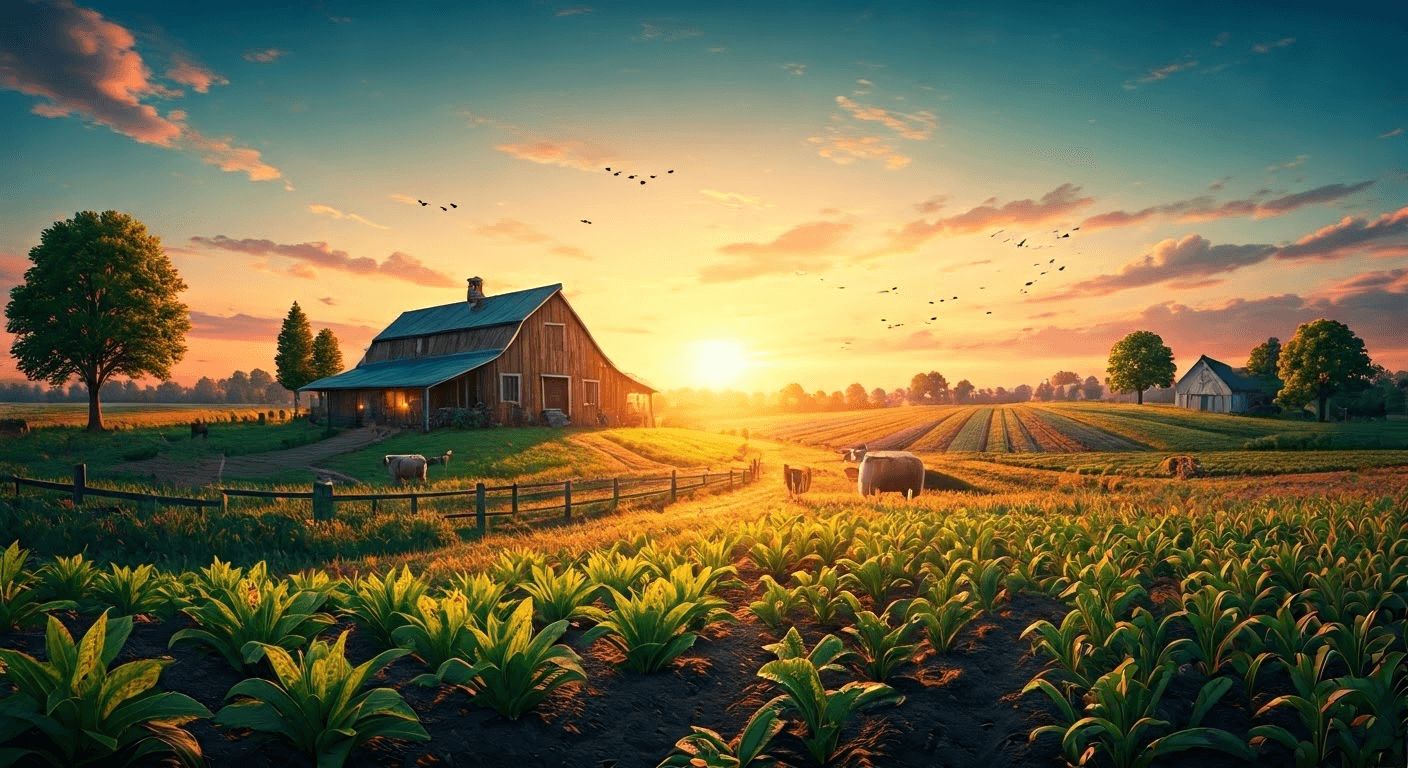

Homestead Lands: A Comprehensive Overview
Introduction
The concept of homestead land is deeply intertwined with the history of the United States. Homesteading, the process of acquiring and settling on public domain land made available by the government, played a pivotal role in westward expansion. The General Land Office, established in 1812, managed the vast public domain and administered the various homesteading laws enacted over the years.
Understanding Homestead Lands

Homestead lands refer to parcels of land owned by the federal government that were made available to individuals and families for settlement and cultivation. The underlying principle behind homesteading was to encourage the development of the American West by providing opportunities for people to acquire land and build a life for themselves.
The homesteading process typically involved a set of requirements that applicants had to meet, such as establishing residency, making improvements to the land, and paying a small registration fee. The goal was to ensure that homesteaders were committed to developing the land and contributing to the growth of the nation.
The Concept and Its Origins
The Homestead Act, signed into law by President Abraham Lincoln in 1862, is perhaps the most well-known example of legislation that shaped the practice of homesteading. Prior to the Civil War, the issue of public domain land was a contentious one, with debates over slavery and economic policies hindering the passage of homesteading legislation.
The secession of Southern states paved the way for the Homestead Act of 1862, which granted 160 acres of public land to individuals who were willing to live on it, cultivate it, and make improvements. This act marked a significant shift in land policy, aiming to promote westward expansion and provide opportunities for small farmers.
Detailed records of homestead applications, land patents, and related documents are preserved in the National Archives, offering a rich historical resource for understanding the impact of homesteading on individuals, families, and communities.
The Evolution of Homesteading Laws in the United States
Prior to the Homestead Act of 1862, the Preemption Act of 1841 had allowed settlers to claim up to 160 acres of public land by living on it and making improvements, essentially giving them the right to purchase the land ahead of others. However, this act didn't offer free land, as the Homestead Act later would.
The Civil War significantly impacted the passage of the Homestead Act. With the South seceded, the Republican-controlled Congress was able to pass the act, which Lincoln viewed as crucial for uniting the country and expanding the Union's reach.
The Homestead Act's passage in 1862 opened up millions of acres of land to settlement, primarily in the West, and it continued to evolve with additional legislation throughout the late 19th and 20th centuries.
Historical Legislation Shaping Homesteading

The Homestead Act of 1862 marked a turning point in American history, fundamentally altering how public lands were distributed. This act, along with subsequent legislation, facilitated the westward expansion of the nation and the development of the American West.
Beyond the 1862 act, various other key legislations played significant roles in shaping the homesteading process. This legislation aimed to refine, adapt, and expand the opportunities for homesteading while addressing some of the challenges that arose.
Key Acts from the Preemption Act of 1841 to the Kinkaid Amendment of 1904
From the early days of the preemption system to the turn of the 20th century, the federal government, through various acts, actively encouraged people to populate the American West. These acts provided individuals and families with various means to acquire government land, paving the way for widespread settlement and agricultural development.
The land office played a crucial role in administering these acts, processing applications, surveying land, and ultimately granting land ownership to eligible homesteaders. Each act represented a response to the evolving needs and circumstances of settling in the American West.
Act Year Description Preemption Act 1841 Allowed settlers to claim up to 160 acres of surveyed land before it was offered for public sale. Homestead Act 1862 Granted 160 acres of public land to individuals willing to live on and cultivate it for five years. Southern Homestead Act 1866 Extended homesteading opportunities to Southern states, particularly targeting African Americans who had been excluded from land ownership. Timber Culture Act 1873 Granted an additional 160 acres to homesteaders who planted and maintained a certain number of trees on a portion of their land. Kinkaid Amendment 1904 Increased the homestead allotment to 640 acres in parts of Nebraska where dry farming was prevalent.
The Impact of Homesteading Acts on American Expansion
The Homestead Acts had a profound and lasting impact on shaping the landscape and demographics of the United States. The promise of free or cheap land, coupled with the allure of a fresh start, drew millions of people westward, significantly contributing to the nation's westward expansion throughout the 19th century.
Under these acts, the United States government distributed millions of acres of land. The potential for land ownership, a cornerstone of American identity and prosperity, fueled westward migration, transforming vast stretches of wilderness into farms, towns, and eventually states.
This massive distribution of government lands effectively connected the East Coast to the West, solidifying the nation's control over the continent and establishing a rural, agricultural backbone that shaped the social and economic fabric of the developing nation.
The Modern Homesteader's Guide
While the traditional Homestead Acts are no longer in effect, the allure of self-sufficient living and connection with the land continues to resonate with many. A new generation of homesteaders is embracing modern interpretations of this lifestyle, adapting practices to contemporary settings.
Whether on a sprawling rural property or a suburban lot, the core principles of self-sufficiency, resourcefulness, and sustainable living remain at the heart of this lifestyle. This guide explores essential resources, considerations, and steps involved in embarking on a modern homesteading journey.
Essential Resources and Equipment for Starting Your Homestead
Acquiring a piece of land, the foundational element of any homestead, is the crucial first step. But unlike the vast, open territories available to early homesteaders, land availability today is limited and varies greatly in price and location. Consider factors like proximity to markets, climate, zoning regulations, and, crucially, a reliable water source.
Essential equipment goes hand-in-hand with land. Tools for land cultivation, such as a tiller or a simple hand plow, depending on your chosen scale, are vital. Livestock management requires fencing, shelters, and depending on the animals, possibly specialized equipment.
Don't overlook the essentials for self-sufficiency. Consider these:
- Food preservation: Canning supplies, a dehydrator, or a root cellar
- Energy: Solar panels, a wood-burning stove, or a generator
- Water: Rainwater collection systems, wells, or water filtration systems
- Cultivation: Seeds for vegetables and grains, fruit trees, and tools suited to your chosen agricultural practices.
Identifying Suitable Homestead Land
Finding the perfect homestead is subjective and depends heavily on your individual needs and aspirations. However, there are key considerations beyond finding cheap land that will significantly impact your success and satisfaction.
Factor in the size of your family and your long-term goals. How much land is sufficient to accommodate your desired level of self-sufficiency? Are you planning to raise livestock, cultivate large gardens, or have ample space for children to roam?
Research land prices carefully, as they can fluctuate drastically based on location, acreage, and accessibility to amenities. Remember to factor in the cost of developing infrastructure like water access, electricity, and possibly even roads.
Step-by-Step Guide to Establishing Your Homestead
Establishing a homestead is a multi-faceted process that demands careful planning, research, and a healthy dose of adaptability. It's a journey of incremental steps and continual learning.
This guide outlines a basic framework for starting your homestead. Keep in mind that this is a general guide; each step's specifics will depend on your location, chosen path, and overall goals.
Step 1: Researching and Acquiring Land
While finding cheap land, reminiscent of the original Homestead Act era, is unlikely, researching affordable options is a necessary first step. Look into land auctions, foreclosed properties, or even consider less conventional options like leased land or cooperative ownership.
Examine carefully the public land available in your desired area. While true homesteading on free land is no longer possible, state and federal agencies often offer land through auctions or lotteries. These opportunities may come with specific restrictions or requirements, so thorough research is crucial.
If you encounter a property you think may have been part of the original Homestead Act, a visit to the National Archives might be enlightening. While unlikely, researching a property's case file could reveal a rich history and connect you to previous homesteaders' legacies.
Step 2: Planning Your Homestead Layout
Meticulous planning ensures efficient land use and maximizes your chances of a successful and fulfilling homesteading experience. This step requires active involvement from all family members to accommodate everyone's needs and desires.
Consider the placement of your dwelling, taking into account factors like sunlight, wind direction, and proximity to water and other planned structures. Map out areas for gardens, orchards, livestock pastures, and any infrastructure like driveways and outbuildings.
Remember that land ownership isn't just about claiming a piece of earth; it's about responsible stewardship. Implement sustainable practices from the outset, think long-term, and be prepared to adapt your plans as circumstances evolve.
Step 3: Developing the Land and Building Infrastructure
While the federal land policy no longer includes homesteading as it did in the past, understanding local zoning laws and building regulations is crucial during this phase. Contacting your local Department of the Interior office can provide essential information regarding permits and restrictions.
Start with essential infrastructure - access to water, sanitation, and power. Consider off-grid options like wells, septic systems, and solar power; these choices, though potentially requiring higher initial investment, offer long-term independence and sustainability.
A visit to a Homestead National Monument can provide inspiration and a tangible connection to the spirit of early homesteaders. Seeing firsthand the resilience and ingenuity they displayed in the face of hardship can be a motivating force as you build your own homestead.
Step 4: Cultivating the Land for Agriculture
Before European colonization and the era of homesteading, land allotments, as we understand them, didn't exist for indigenous people. Their relationship with land was profoundly different -- communal, fluid, and interconnected with nature.
Understanding the complex history of federal Indian policy and how it impacted indigenous communities is crucial for any modern homesteader. Acknowledge and respect the ancestral lands on which you're building your homestead.
Start small with your cultivation, gradually expanding as you gain experience and adapt to the microclimate of your land. Consider starting with a small garden, adding fruit trees, and slowly introducing livestock if desired.
Step 5: Raising Livestock and Sustainable Living Practices
Raising livestock, an integral part of the traditional homesteading lifestyle, provides a source of food, fiber, and even fertilizer. Choose livestock suitable for your climate, land size, and personal preferences. Consider chickens for eggs, goats for milk and cheese, or even bees for honey and beeswax.
Sustainability is the cornerstone of successful homesteading. Minimize waste, compost organic materials, conserve water, and strive for a circular, closed-loop system where resources are used efficiently and responsibly.
Environmental stewardship extends beyond your property line. Participate in local conservation efforts, educate others about sustainable practices, and advocate for policies that protect our natural resources.
Legal Considerations and Rights
While the era of claiming free government land ended long ago, understanding your rights and responsibilities as a landowner is crucial. Familiarizing yourself with local zoning ordinances, building codes, and environmental regulations is essential before embarking on your homesteading journey.
These regulations often dictate allowable land uses, building sizes, and even livestock restrictions. Failure to comply can lead to fines, legal issues, or even the loss of your homesteading privileges.
Understanding Your Rights as a Homesteader Today
The Southern Homestead Act of 1866, signed by President Abraham Lincoln, marked a pivotal moment in the expansion of property rights, specifically seeking to provide land ownership opportunities to newly freed African Americans in the South after the Civil War.
While the historic acts that offered free land are in the past, understanding current property rights is crucial for modern homesteaders. These rights encompass a bundle of legal entitlements, granting landowners the ability to possess, use, sell, and even exclude others from their property.
However, these rights aren't absolute; they coexist with limitations imposed through local ordinances, easements, and zoning regulations -- legal mechanisms that communities use to ensure responsible land use and development.
Navigating Zoning Laws and Building Regulations
Zoning laws, prevalent across the country but particularly relevant in more densely populated regions and those experiencing rapid growth -- even in southern states -- play a significant role in shaping the possibilities for your homestead.
These regulations, often enacted at the county or municipal level, define how land can be used. Residential, agricultural, commercial, and industrial zones often have their own specific guidelines that determine building types, sizes, and allowable activities.
Building regulations, on the other hand, focus on the structural integrity and safety of structures built on your land. This includes acquiring permits for new construction, adhering to building codes for electrical and plumbing systems, and ensuring accessibility standards are met.
Economic and Environmental Impact
Homesteading, both past and present, has wielded a multifaceted influence on local economies and ecosystems. In the past, it was a driver of westward expansion, transforming vast landscapes into agricultural powerhouses, albeit with environmental consequences.
Today, the impact of modern homesteading, though smaller in scale, reflects a growing interest in sustainable practices. Beyond individual self-reliance, it contributes to local economies, encourages responsible land use, and promotes greater environmental awareness.
The Role of Homesteading in Local Economies
Beyond the individual pursuits of self-sufficiency, homesteading historically played a vital role in the formation and bolstering of local economies. The influx of homesteaders, often spurred by the promise of free land through legislation similar to the Homestead Act, created demand for goods and services, stimulating economic growth in burgeoning Western communities.
The post-Civil War era saw an influx of Union soldiers utilizing their homesteading rights, further fueling economic growth. As these communities matured, their agricultural output contributed significantly to regional and even national markets, shaping the economic landscapes of entire states.
Today, modern homesteading, with its emphasis on local food production, can potentially contribute to more resilient local economies, fostering greater self-reliance and potentially reducing reliance on global supply chains.
Sustainability and Environmental Stewardship Through Homesteading
While the original land management act of 1976 marked an end to the traditional homesteading era, it also ushered in a new focus on conservation and responsible land use. Sustainability, a core principle of modern homesteading, goes beyond self-sufficiency---it recognizes the interconnectedness of human actions and the environment.
Environmental stewardship is embedded within this principle, encouraging homesteaders to view their land not just as a resource to be exploited, but as an ecosystem to be nurtured. Practicing responsible land management, minimizing waste, conserving water, and promoting biodiversity are all hallmarks of this approach.
Homesteaders, through their actions and values, have the potential to become stewards of the land, advocating for sustainable practices and inspiring others to embrace lifestyles that prioritize environmental well-being.
Conclusion
Homesteading is not just a lifestyle; it's a journey back to our roots. Understanding the historical legislation, legal considerations, and economic impacts is crucial for modern homesteaders. By following a step-by-step guide, you can establish your homestead sustainably. Embrace the economic and environmental benefits of homesteading while navigating the challenges with resilience. Whether you're starting small or dreaming big, knowing your rights and zoning laws is essential. Begin your homesteading adventure today, connect with the land, and build a future that honors tradition and sustainability.
CTA: Start your homesteading journey with confidence and explore our essential resources for sustainable living.
Frequently Asked Questions
What Are the First Steps to Becoming a Homesteader?
To become a homesteader, start by researching different homesteading paths and assess your resources and skills. Plan your homestead based on your chosen path, understanding local regulations, and then prepare for the challenges and opportunities that lie ahead. Remember, execution is key - taking that first step is essential.
Can You Still Find Homestead Lands in the United States?
While the Homestead Act itself is no longer in effect, opportunities for land acquisition still exist. Availability is limited, often varying by location and requiring navigating current legislation and understanding the nuances of acquiring such land.
How Many Acres Do You Need to Start a Homestead?
Acreage requirements for a homestead vary widely, depending on your chosen scale of self-sufficiency, desired activities, and local zoning regulations. Remember that sufficiency isn't solely determined by acreage but also by efficient land use and maximized resources.
What Are the Challenges Faced by Modern Homesteaders?
Modern homesteaders face obstacles presented by modernity, from access to affordable land and resources to navigating regulations and adapting to changing climates. Overcoming these requires resilience, adaptability, and the ability to leverage resources creatively.