
How to Make Soil for Tree Seeds: A Complete Guide
Introduction
Starting your tree seeds in good soil is crucial for their growth. Understanding the basics of soil composition and texture is the first step towards successful germination. By identifying your soil type and preparing it adequately, you set the stage for healthy plant roots. This guide will take you through the process of creating the perfect soil mix, ensuring your tree seeds have the best possible start in their journey towards becoming strong, thriving trees.
Understanding the Basics of Soil for Tree Seeds

When preparing soil for tree seeds, understanding the basics is crucial. The texture and composition of the soil play a key role in providing a nurturing environment for seed germination and growth. By identifying your soil type, whether it's sandy, clay, or loamy, you can tailor your soil mix to match the specific needs of tree seeds. This knowledge allows you to create a suitable foundation for healthy root development and overall plant growth.
The Importance of Soil Texture and Composition
Understanding the importance of soil texture and composition is essential for successful tree seed growth. Good soil provides a hospitable environment for plant roots, promoting healthy growth. The composition of soil, including its nutrient content and particle size, directly impacts a tree seed's ability to thrive. By ensuring the right balance of organic matter, minerals, and moisture in the soil, you create an optimal foundation for tree seeds to develop and establish themselves effectively.
Identifying Your Soil Type
To determine your soil type, conduct a simple soil test to analyze its composition. Look for characteristics such as texture (sand, silt, clay), drainage capabilities, and color. Sandy soil feels gritty, clay soil is sticky when wet, while loam is a balanced mix. Understanding your soil type is crucial for selecting the right plants and improving its quality before planting tree seeds. Utilize this knowledge to create optimal conditions for seed germination and healthy tree growth.
Preparing to Make Soil for Tree Seeds

Essential equipment and resources play a crucial role in preparing optimal soil for tree seeds. Understanding soil pH is vital for successful germination. Access quality soil test kits from garden centers for accurate results. Incorporate organic materials like peat moss for healthy soil. Consider the specific needs of tree roots when choosing the right soil type. Ensure proper drainage and aeration to create an ideal environment for seed growth. Begin by gathering necessary tools such as a shovel, tiller, and rake for efficient soil preparation.
Essential Equipment and Resources
Shovel, rake, and tiller are essential for mixing organic matter like peat moss and compost. A soil test kit helps determine pH levels crucial for tree seed growth. Consider items such as topsoil, manure, and perlite for enhancing fertility and drainage. Include compost, bark, and wood chips to promote soil health post-planting. This equipment aids in creating nutrient-rich soil conducive to tree seed germination.
Understanding Soil pH and Its Role in Tree Seed Germination
The soil pH level plays a crucial role in tree seed germination. Different tree species have specific pH preferences for optimal growth. Soil pH affects nutrient availability for tree seeds, influencing their ability to uptake essential minerals. Testing soil pH before planting helps determine if any amendments are necessary to provide an ideal pH range for seed germination. By understanding and adjusting soil pH accordingly, you can create an environment that is conducive to the successful germination and growth of tree seeds.
A Step-by-Step Guide to Making Soil for Tree Seeds
Collect organic matter such as compost, grass clippings, and wood chips. Layer these materials to create a nutrient-rich mix. Adjust pH levels using soil testing kits. Ensure proper drainage and aeration by adding perlite or sand. Complete preparations by mixing in moisture-retentive substances.
Step 1: Collecting Organic Matter
Begin by gathering a variety of organic materials such as grass clippings, leaves, kitchen scraps, and compost. Mix in materials like wood chips, sawdust, or shredded newspaper to provide a diverse nutrient base. Consider adding coffee grounds or eggshells for extra benefits. Organic matter enriches the soil with essential nutrients, promotes beneficial soil organisms, and improves overall soil structure.
Step 2: Layering for Optimal Nutrient Mix
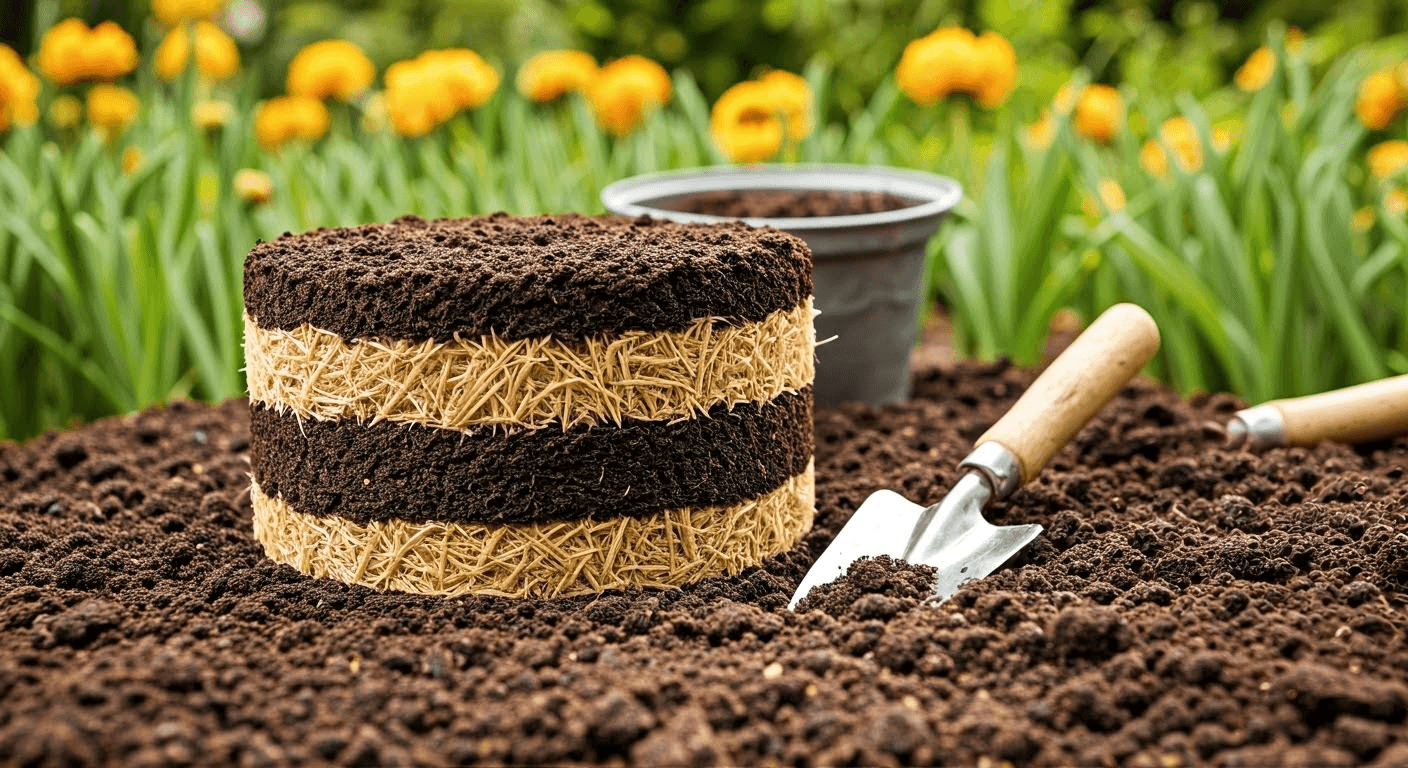
Creating a nutrient-rich soil mix for tree seeds involves strategic layering. Begin with a base of good garden soil, then add organic matter like peat moss or compost. Layer in materials rich in nutrients such as coffee grounds or kelp meal to promote healthy plant growth. Consider incorporating grass clippings or wood chips for added organic material. This method ensures optimal nutrient distribution for robust seed germination and sustained growth.
Step 3: Adjusting pH Levels for Tree Seeds
To adjust pH levels for tree seeds, use a soil test to determine the current pH. Most tree seeds prefer slightly acidic to neutral soil. If the pH is too high, amend with acidic materials like peat moss or sulfur. For low pH, incorporate lime to raise it. Ensure a pH level of around 6-7 for optimal seed germination. Remember, pH adjustments should be made gradually to avoid shocking the seeds.
Step 4: Ensuring Proper Drainage and Aeration
Proper drainage and aeration are crucial for healthy soil. To enhance drainage, consider adding materials like perlite or sand. Aeration can be improved by mixing in organic matter or using soil amendments. These steps help prevent waterlogging and ensure adequate oxygen levels for plant roots. Monitoring soil moisture levels and observing how water drains can guide adjustments for optimal aeration and drainage. Efficient drainage and aeration support the overall growth and development of tree seeds.
Step 5: Final Preparations Before Planting
Ensure the soil is well-mixed, free of debris, and moist but not waterlogged. Check the moisture level by forming a ball of soil; it should crumble easily when lightly pressed. Remove any large rocks or roots that could impede root growth. Consider adding a layer of compost or organic matter to provide initial nutrients for tree seedlings. Lastly, create smooth and even surface for planting, ready to nurture and support the growth of your tree seeds.
Maintaining Soil Health After Planting Tree Seeds
Regular monitoring and adjusting of soil conditions are crucial post-planting. Monitoring pH levels and nutrient content ensures optimal growth for tree seeds. Incorporating composting techniques enriches soil organisms vital for plant development. By maintaining a healthy balance of moisture and fertility, plant roots can thrive in the newly established environment. Remember, constant vigilance and proactive measures lead to successful soil management for sustainable tree growth.
Regular Monitoring and Adjusting of Soil Conditions
Regularly monitoring and adjusting soil conditions is vital for the successful growth of tree seeds. Conduct simple soil tests to determine pH levels and fertility. Keep an eye on moisture levels, ensuring they are optimal for seed germination. Adjust nutrients like nitrogen as needed. Regularly check for any signs of nutrient deficiencies or imbalances. By staying proactive in monitoring and adjusting soil conditions, you can create an ideal environment for your tree seeds to thrive.
The Role of Composting in Soil Maintenance
Composting plays a vital role in soil maintenance by enriching the soil with essential nutrients and encouraging beneficial soil organisms. By recycling organic waste through composting, gardeners can create nutrient-rich humus that enhances soil structure and fertility. This process helps in retaining moisture, improving drainage, and promoting healthy plant growth. Composting also aids in reducing the need for chemical fertilizers, fostering sustainable gardening practices. Integrated into soil maintenance routines, composting is a key element in ensuring long-term soil health and productivity.
Conclusion
Ensuring your tree seeds have the right soil foundation is crucial for their growth. By understanding soil composition, texture, and pH levels, you set the stage for successful germination. Incorporating organic matter and adjusting drainage ensures a healthy environment for plant roots to thrive. Regular monitoring and composting post-planting promote soil longevity. Remember, healthy soil is the key to flourishing trees. Start your soil-making journey today and watch your tree seeds grow into beautiful, strong trees.
Frequently Asked Questions
What is the ideal pH level for tree seed soil?
The ideal pH level for tree seed soil is typically between 6 and 7. This slightly acidic to neutral range ensures optimal nutrient availability for seed germination and root development. Maintaining the correct pH level is crucial for healthy tree growth.
How often should I water soil for tree seeds?
To ensure proper growth, water tree seed soil when the top layer feels dry to touch. Avoid overwatering as it can lead to root rot. Balancing moisture is key for successful tree seed germination and growth.
Can I use store-bought soil for planting tree seeds?
It's not recommended to use store-bought soil for planting tree seeds as it may lack the necessary nutrients and structure. Creating a customized soil mix ensures optimal conditions for seed germination and growth. Follow our guide for best results.