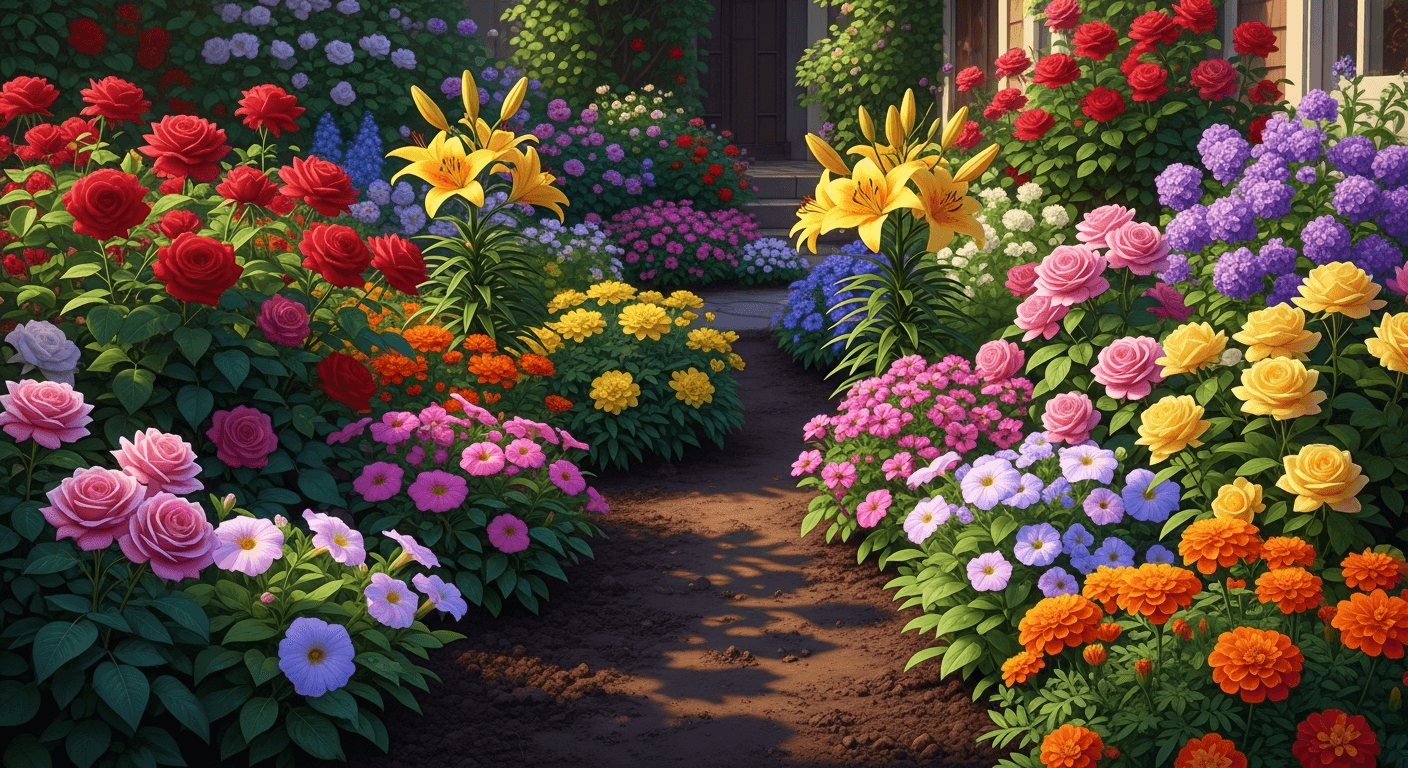

Simple Steps for Improving Soil in Your Garden
Introduction
Welcome to the world of "soil-first" gardening. A strong garden with bright flowers and lots of food all starts with what is under your feet. Many people see soil as plain dirt. But the truth is, soil is a living thing that is very important for plant growth. Having healthy soil is the biggest step you can take if you want a garden that lasts and gives back every year. In this guide, you will get easy and helpful ways to know your garden soil and make it better. This will help your plants grow well now, and for many years in the future.
Understanding Your Garden Soil

Your garden soil does more than just hold your plants in place. It is a busy mix of mineral particles, old organic matter, water, air, and living things. The way all these things be in the soil shapes the soil structure. It also decides how well your garden soil can help plant roots grow strong and healthy. But how do you know if your soil is in good shape or if it could use some help?
You can learn a lot if you take a close look at soil. Healthy soil is often crumbly and has small clumps in it. There is also space for roots to grow, which is good for plants. It is important to know what makes up your soil. When you understand this, you can see what your soil needs. We will talk more about different types of soil and how you can notice signs that show your soil is not healthy.
Different Types of Garden Soil (Sandy, Clay, Loamy)
Garden soils come in three main types. These are sandy soil, clay soil, and loamy soil. The type is based on how big the mineral particles are.
Sandy soil has the biggest particles. When you feel it, it is gritty. This kind of soil lets water drain fast, but it does not keep nutrients well.
Clay soil has the smallest mineral particles. It feels sticky if it is wet. When it dries, it gets hard and forms clumps. This soil can hold water and nutrients well, but the drainage and air movement are not good.
Loamy soil is good for most gardeners. It has the right mix of sand, silt, and clay. This balance makes good soil aggregates. It helps the soil keep water, drain well, and makes nutrients available to plants. One easy way to make your garden soil better is to add organic matter. It helps sandy soil keep moisture. It also makes clay soil break up and drain better.
Knowing your soil type is the first thing you need to do if you want a better garden. Every soil type is different. This matters for how you take care of it.
Soil Type Feel Water Drainage Nutrient Retention Sandy Gritty and coarse Drains quickly Poor Clay Sticky and slick when wet Drains slowly Good Loamy Crumbly and even Moderate Excellent
How to Identify Soil Texture and Structure
You can find out your soil's feel and shape with an easy test you do by hand. The way the soil feels between your fingers tells you a lot. Take a bit of moist soil and rub it. Think, does it feel rough, smooth, or sticky? This will help you know the size of the soil particles.
Good soil structure looks crumbly or like small grains. You will see clumps and some old organic matter in it. This kind of soil lets water go in well and gives space for plant roots. You can also check by doing a squeeze test.
-
Take a handful of moist soil and press it tightly.
-
If it forms a solid, sticky mass, it likely has a lot of clay and is too wet to use.
-
If it crumbles apart with ease, you can work with it.
-
Sandy soil will fall apart even when it's wet.
This quick check helps you see the texture of your soil. It also shows if your soil is in the right shape for digging and putting in plants. When you know these things, you can tell if the soil needs to be made better or not.
Signs Your Soil Needs Improvement

Are you asking if the soil in your yard needs help? You can find out by looking at your plants and the ground. If plant growth is poor or leaves turn yellow, it may be a sign. A rise in pests is also something to look for. These problems often mean the soil health is not good. You may need to add some compost or organic matter. This will help put nutrients back into your soil. It can make your plants grow better and keep pests away.
Compaction is one of the main warning signs to look for. If there are water puddles on the ground after it rains, or if the dirt is very hard, your soil might be compacted. This makes it hard for plant roots to get water, air, and food from the soil. Poor drainage is often seen where the soil is not healthy, especially in places with lots of clay.
Look for these common signs that show your soil needs help:
-
You may see water sitting on the soil surface after you water it.
-
Cracks can show up on the soil surface when it gets dry.
-
Plants may not grow well or their leaves can look light in color.
-
It can be hard to dig into the soil, even if it feels wet.
Simple Methods to Test Soil Health
If you want to know the real state of your soil health, you have to test it. Looking at soil can give you a feel for what is going on, but a test gives hard facts about pH and vitamins in the ground. Without a soil test, there is no sure way to say if your soil is good or if it needs help. A soil test lets you stop guessing and find out the truth about pH and soil health.
You can begin with some simple at-home tests. This will help you get a basic idea about your soil. If you want more details, you can get a professional soil test done. A pro test will give you clear soil test results. These tests help you make a plan that works for building healthy soil.
Quick At-Home Soil Tests
You do not need to go to a lab to get some basics about your soil health. There are some easy, do-it-yourself tests you can use at home. These will help you find out more about your soil pH, how much moisture it holds, and even what its feel is like. A quick test like this is a good way for any gardener to start learning about the soil in their yard.
One of the best ways to check soil moisture is by using the "squeeze test." Take some soil in your hand and squeeze it. If the soil turns into a tight ball and does not break apart, it means there is too much moisture and it is too wet. If the soil comes apart right away, it may be too sandy. The soil should stay together but fall apart when you poke it gently---that's what you want. This is a good way to find out if your soil is ready for you to work on.
Here are a few other easy tests you can perform:
-
The Jar Test: Fill a jar about one-third with soil. Add water to the top. Shake it well, then let it sit for a day. You will see layers form. The layers will tell you how much sand, silt, and clay you have in the soil.
-
The Worm Test: Dig up a square foot of soil. If you find 10 earthworms or more, this is a good sign. Your soil is in good shape, and the earthworms show you have a healthy ecosystem.
-
The Drainage Test: Dig a hole that is about one foot deep. Fill it with water. If the water drains out in a few hours, the drainage is good. If it takes more time, you could have compaction in your soil or other drainage troubles.
When and How to Do a Professional Soil Test
While you can use tests at home, a professional soil test will give you the most detail and accuracy. This kind of test measures the levels of potassium, calcium, and phosphorus in the soil. It also checks for magnesium and the exact soil pH. With these results, you will get clear advice on what fertilizers and changes to use.
To do a test, you should take soil samples from a few places in your garden. Mix them together so you get one good sample that shows what your soil is like. Then, send this mix to a lab. Many people go to their local county extension office for this. The soil test results will tell you a lot about how good your soil is for growing things.
How often should you test your soil if you want to improve it? A good idea is to test every two to three years for gardens that are already started. But, if you try to fix a problem or build a new garden bed, you should test it each year until the soil health gets better.
The Role of Organic Matter in Garden Soil
Organic matter is key to healthy soil. It comes from broken-down plants and animals, like compost and manure. There are also small living things in it. The main job of organic matter is to hold mineral particles together. This makes the soil crumbly and helps air and water reach plant roots.
Adding organic matter is the best way to answer the question, "Which natural materials can I add to soil to make it richer for plants?" When you put it in the soil, it will break down over time. As this happens, it gives out important nutrients. This feeds your plants. It also helps the good microbes in the soil to do their work. Below, we will look at some of the best types of organic matter and how you can use them.
Why Compost is Essential for Healthy Soil
Compost is often called "black gold" by gardeners, and it's with good reason. People find that it is one of the best things you can put in your soil if you want to help your plants grow. Compost is just organic matter that has broken down. It is full of soil microbes and other good microbes that are needed for a healthy garden. A good garden needs all these things in the soil to help everything grow well.
When you put compost in your garden, you do a lot more than feed your plants. You make the soil better, help it hold more moisture, and give roots a good place to grow. Compost helps sandy soil hold onto water and good things that plants need. It also makes thick clay soil looser, so drainage and air get better.
Making your own compost at home can help you use kitchen scraps and yard waste in a good way. You also get a free way to make your soil better. Adding compost often, whether you made it or got it from a store, is one of the best things you can do for healthy soil. This practice helps you keep the soil in good shape for a long time.
Using Manure, Leaf Mold, and Other Natural Amendments
Besides compost, there are many other natural materials that help make your soil better. Manure is a good choice. It adds organic matter, helps with soil structure, and gives plant nutrients. Leaf mold and shredded leaves work well too. Each one brings something special for the soil, making it stronger and helping plants grow.
Aged or composted manure is a great fertilizer. It has a lot of nitrogen and other good nutrients for your plants. You should use manure that has aged because fresh manure is strong and can burn plant roots.
Leaf mold comes from leaves that have broken down over time. It holds in moisture very well and helps give a home to good life in the soil.
Here are some other simple things from nature you can use:
-
Shredded leaves: The leaves can go straight into the ground in the fall.
-
Peat moss: This holds a lot of water. But it is acidic. Check if this will be good for your soil pH.
-
Mushroom compost: This comes from growing mushrooms. It has a lot of organic matter but can make the pH of soil higher.
-
Wood chips or sawdust: These need to turn into compost for one to two years before using in soil. This helps to keep them from taking up too much nitrogen.
Improving Soil Structure Easily
It is easy to make your soil structure better. The main goal is to have soil that is loose and crumbly. This way, plant roots can grow well, and they can get the water and air they need. When you have poor soil structure because of compaction, water will not drain as well. Plants may not grow much in this kind of soil. To help with this, you need to build soil aggregates, which are small groups of soil particles. This will make your soil better for drainage and plant growth.
What can you do to make the soil structure better in your yard? You can start by making sure there is more air in the soil and stop erosion from happening. These are some of the best ways to help soil. When you do this, the soil will not get packed down. This also keeps your soil a good base for your plants to grow.
Simple Steps for Aerating Compacted Soil
Compacted soil can be a big problem for plant roots. It makes it hard for air and water to get into the root zone, and this can hurt your plants. But you can do some easy things to add air to the soil and make it loose again. The best way to handle compaction is to not let it happen. Make paths for people to walk on, and do not walk on wet garden beds. This will help the plant roots stay healthy.
For compaction that is already there, mechanical aeration is a good way to help. You can use a garden fork to gently loosen the soil surface. This helps air and water go further down into the dirt. This way is also less harsh than doing a lot of rototilling because that can hurt how soil aggregates hold together as time goes on.
Here are some easy ways that you can use to help make your soil less compact.
-
Use a broadfork: This tool helps make the ground loose deep down. It does not turn the soil over. This way, the layers stay in place.
-
Top-dress with compost: Put organic matter like compost on top of the soil. This can help earthworms and microbes move through the ground. They make small gaps for air and water.
-
Grow deep-rooted plants: Choose plants that grow long roots, like daikon radishes. They go deep into the soil and break it up naturally.
-
Avoid heavy equipment: Try not to use things like wheelbarrows or machines on your soil, mostly when it is wet. This will keep the soil from getting too packed down.
Best Practices for Reducing Soil Erosion
Soil erosion happens when water or wind carries away topsoil. This can take away all the hard work you have done. It's important to protect your soil from erosion to keep it healthy and full of life. The best way to stop soil erosion is to keep the ground covered most of the time. This helps slow down runoff, lets more water soak in, and leads to better water infiltration.
Mulching is one of the best ways to stop erosion. When you add a layer of organic mulch, like bark or straw, you help hold the soil in place. This stops rain and wind from washing it away. Planting a cover crop, like clover or rye, in the off-season is also a good idea. The roots from these plants keep the soil where it should be, and later you can mix them into your garden as green manure. Having good drainage helps water go into the ground, too. This is an important part of good soil care, as it stops water from running off the land. Using manure, mulching, and cover crops will make the garden soil better and cut down on erosion.
Follow these best practices to minimize erosion:
-
Put a 2 to 4 inch layer of organic mulch on top of soil that does not have any plants.
-
Plant a cover crop in the vegetable garden for the winter.
-
Build terraces or plant along the lines of the land if your yard is on a slope.
-
Do not let soil stay bare for a long time.
Enhancing Soil Nutrients and Fertility
A good soil has plenty of plant nutrients that plants need to grow well. The main nutrients plants get from soil are nitrogen, phosphorus, and potassium. These plant nutrients can be found in soil naturally. Over time, some of them can go away or get less. You can use a fertilizer to put these nutrients back into the soil.
There are several natural things you can mix into soil to make it better for plants. Natural fertilizers and soil helpers are good choices. They help give plants important nutrients. They also make the soil healthier. It is important to know which fertilizers work best and the right time to use them.
Selecting the Right Natural Fertilizers
When you want to feed your garden, there are good reasons to use natural fertilizers. They help both the soil and the plants at the same time. Synthetic fertilizers are not the same. They do not give the soil the same slow and steady release of nutrients. Natural choices like compost and manure give the soil a mix of nutrients. They also add a lot of organic matter, which is important for soil health. Using these can help your garden do well now and for years to come.
Another good way to help your plants grow is to use green manure. This means you plant a cover crop like clover or vetch. Later, you till it into the soil. Doing this puts more nitrogen and other helpful things into the dirt. It also helps soil structure and makes it better. These natural ways are great if you want rich soil and strong plant growth.
Here are some natural fertilizers you can use in your garden:
-
Compost: This gives a good mix of nutrients to your plants. It also helps make the soil structure better.
-
Aged Manure: Aged manure has a lot of nitrogen. It also has other things that your plants need.
-
Bone Meal: Bone meal is full of phosphorus. Plants use this for strong roots and to help flowers grow.
-
Kelp Meal: This adds potassium and many micronutrients to the soil.
Timing and Techniques for Adding Soil Amendments
Adding things to the soil the right way and at the right time helps your plants get more of the good stuff they need. A soil test is the best way to know what your garden needs. By looking at your soil test results, you can see what nutrients are missing and find out if you need to change the soil pH. This makes it easy to give your plants what they need to grow well.
Fall is a good time to put organic matter like compost or manure in your garden. These can break down during the winter. This helps enrich the soil by spring, just in time to plant new things. You can mix in 1 to 3 inches of organic matter and blend it in the top 6 to 12 inches of the garden bed.
Here are some tips for applying amendments:
-
Amend based on a soil test: Do not guess. Add to the soil what it needs by looking at the soil test.
-
Incorporate in the fall: Mix in organic matter at this time. It has all winter to break down in the soil.
-
Top-dress during the growing season: A thin layer of compost on top can help your plants grow better in the middle of the season.
-
Adjust pH gradually: If the soil pH needs lime or sulfur, put them in as suggested. Test pH again the next year.
Frequently Asked Questions (FAQ)
Many gardeners care about soil health. A common worry is how to get better drainage in clay soil. Adding organic matter, like compost and wood chips, can improve soil structure. This will help with water infiltration and stop the soil from compaction.
People also often ask which organic mulches are best to keep in moisture. Using organic mulches like grass clippings and pine needles is a good idea for moisture. They give weed suppression. They also bring in soil organisms and earthworms, which help plant growth.
How often should I test and amend my garden soil?
If you have a garden that has been there for a while, it is enough to do a soil test every 2-3 years. When you start a new garden, or if you need to fix a pH problem or a lack of something in the soil, you should test the soil each year. You can keep your soil health in good shape by using soil test results. Use the right fertilizer and lime as needed. This will help your garden grow well.
What are the best mulches to use for soil improvement?
The best way to improve your soil is to use organic mulches. You can choose from shredded leaves, wood chips, straw, or compost. These break down over time and put more organic matter into the ground. This helps make soil structure better and keeps more soil moisture. These organic mulches also do a good job at weed suppression. That means your plants will have the moisture, space, and soil they need to grow strong and healthy.
Can planting cover crops really boost soil quality?
Yes, planting a cover crop can really help make soil better. A cover crop stops erosion, helps keep down weeds, and puts more organic matter in the dirt when you use it as green manure. Some cover crops, like clover, are a type called leguminous. These plants take nitrogen from the air and put it in the ground, giving you a free supply of this key nutrient. It's a good way to care for your soil using natural methods.
Conclusion
Improving your garden soil is good for your plants and helps your garden look nice. When you know the unique things about your soil and use easy ways to make it better, your plants can grow strong. Don't forget to test your soil health often. You can also use organic things like compost. Make sure you practice good ways to take care of the soil every time you work in your garden. This keeps your garden soil in top shape for years. Your garden needs good care, so put in the effort to feed your soil well and watch your plants do well. Happy gardening!