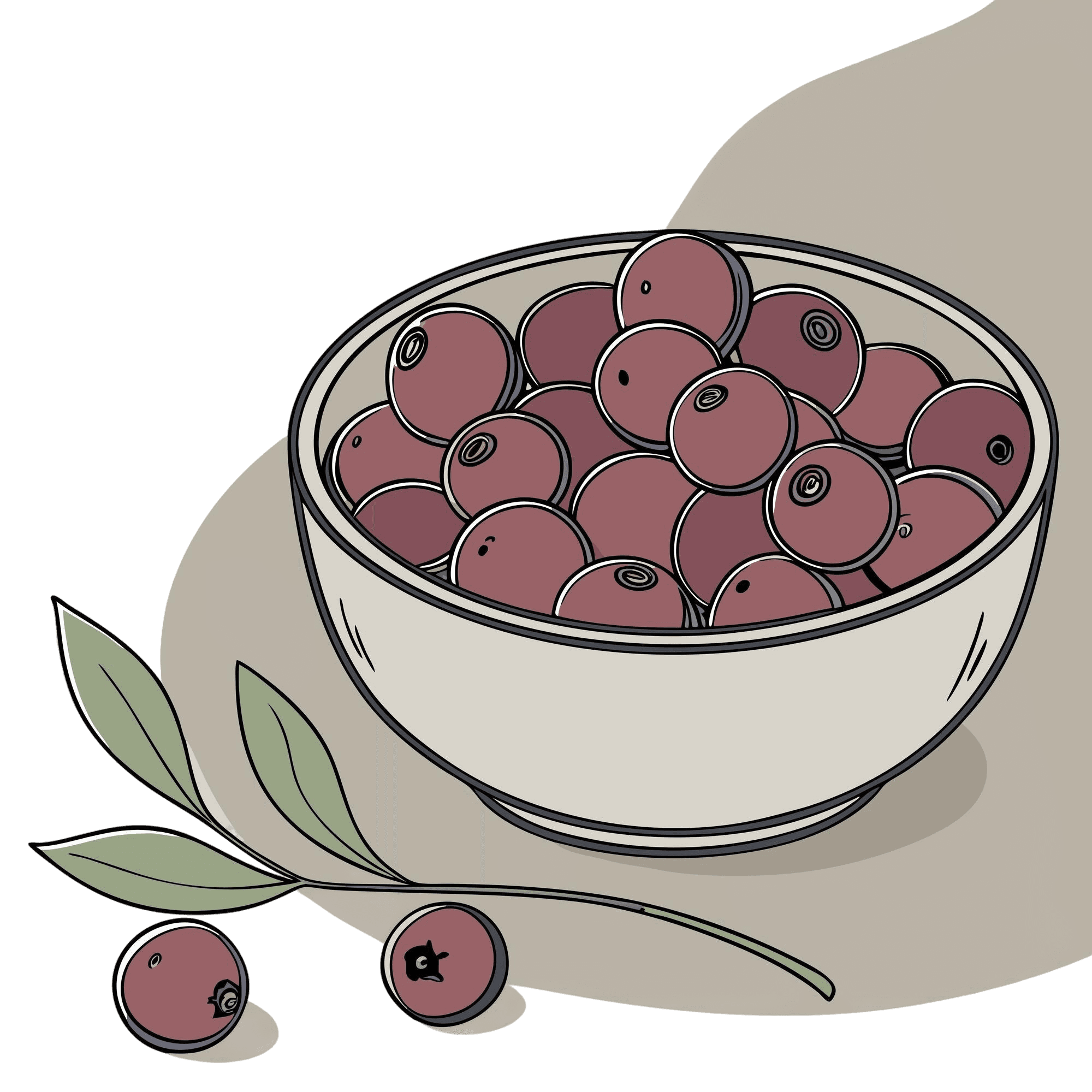

Exploring Jujube Food: Nutritional Value and Health Benefits
Introduction
Jujube fruit, with its intriguing name and unique flavor, has journeyed from the heart of traditional medicine in Southern Asia to kitchens worldwide. This small, round fruit, often called red date, boasts a surprising array of health benefits, attributed to its dense nutritional profile. Modern science is now catching up to what ancient cultures have touted for centuries: jujube fruit holds a wealth of wellness potential.
The Nutritional Profile of Jujube Fruit

Don't be fooled by its small size -- the jujube fruit is packed with a powerful nutritional punch. A good source of dietary fiber, jujubes contribute to digestive health and promote a feeling of fullness, making them a satisfying snack. They are naturally sweet, making them a delicious and guilt-free treat.
Further adding to their nutritional resume, jujubes are a notable source of essential vitamins and minerals. They are particularly abundant in vitamin C, a potent antioxidant crucial for immune support and skin health.
Key Vitamins and Minerals in Jujubes
Often referred to as red dates, jujubes are a significant source of vitamin C. In fact, just a small serving of this fruit provides a considerable amount of the recommended daily intake of this vital vitamin. Vitamin C plays a crucial role in boosting the immune system, protecting against infections, and promoting wound healing.
Beyond vitamin C, jujubes offer a range of other health-boosting compounds. They contain a good amount of fiber, which is important for maintaining a healthy digestive system and regulating bowel movements. Their high fiber content also contributes to that feeling of fullness, making them a satisfying and healthy snack.
In addition to vitamins and fiber, jujubes provide essential minerals like potassium. Potassium is an electrolyte that plays a crucial role in maintaining proper fluid balance in the body, supporting healthy blood pressure, and ensuring proper muscle function.
Caloric and Sugar Content: A Comparison with Other Fruits
Jujube fruit's natural sweetness makes it an appealing snack, and its energy-boosting properties are attributed to its natural sugar content. However, it's important to note that the drying process, which is common for preserving jujubes, can concentrate their sugars.
When comparing jujubes to other fruits, it's essential to consider both fresh and dried varieties. Here's a simple comparison:
Fruit Calories (per 100g) Sugar (per 100g) Fresh Jujube 79 20 Dried Jujube 284 75 Apple 52 14 Banana 89 23
As you can see, dried jujubes have a higher calorie and sugar concentration than their fresh counterparts. Therefore, moderation is key, especially for those watching their sugar intake.
Remember, despite their natural sweetness, jujubes are a concentrated source of sugar when dried. Be mindful of portion sizes to reap their health benefits without overdoing it on sugar.
Health Benefits of Jujube Fruit

Jujube fruits have long been celebrated in traditional medicine, particularly in Chinese medicine, for their therapeutic properties. Modern research is now validating some of these claims, linking jujube consumption to a range of health advantages.
From promoting sleep quality to supporting the immune system, jujube fruit offers a holistic approach to well-being. Its versatility, combined with its pleasant taste, makes it a valuable addition to a healthy diet.
Antioxidant Properties and Their Impact on Health
One of the remarkable attributes of jujube fruit lies in its potent antioxidant properties. Antioxidants are compounds that protect your cells against the harmful effects of free radicals. Free radicals are unstable molecules that can damage cells and contribute to oxidative stress, a process linked to chronic diseases like heart disease and cancer.
Jujubes are rich in several antioxidant compounds, including flavonoids, polysaccharides, and triterpenic acids. These powerful antioxidants work together to neutralize free radicals, thereby reducing oxidative stress and lowering the risk of developing various health problems.
By incorporating jujube fruit into your diet, you're essentially giving your body an antioxidant boost, helping it defend against cellular damage and promoting overall health and well-being.
Jujubes' Role in Improving Sleep Quality and Brain Function
Beyond its antioxidant power, jujube has earned a reputation for promoting better sleep. In traditional Chinese medicine, jujubes have long been used to alleviate insomnia and improve sleep quality. While more research is needed to fully understand the mechanisms behind these effects, some studies suggest that compounds in jujubes, particularly flavonoids and saponins, may have a calming effect on the nervous system.
This calming influence on the nervous system may contribute to improved sleep quality and potentially aid in reducing anxiety. It's worth noting that jujube is thought to interact with certain antidepressant drugs, so it's crucial to consult your healthcare provider before incorporating it into your diet, especially if you're on medication.
If you're seeking natural ways to enhance your sleep, enjoying a cup of jujube tea before bed or incorporating dried jujube fruit into your diet might be worth considering, in consultation with your healthcare professional.
Immune System Support and Cancer-Fighting Potential
Jujubes' impressive nutritional profile extends to supporting the immune system. Their high vitamin C content alone contributes significantly to immune function. Vitamin C is known to stimulate the production of white blood cells, which are the body's first line of defense against infections.
Moreover, some studies suggest that jujube extract may possess cancer-fighting properties. While research is still in its early stages, laboratory studies have indicated that jujube extracts can inhibit the growth of certain types of cancer cells, including those associated with breast, liver, and cervical cancers.
While more research is necessary to fully comprehend jujube's role in cancer prevention and treatment, its potential in boosting the immune system and its observed effects on cancer cells in laboratory settings are encouraging.
Digestive Health and Jujubes: What You Need to Know
Jujubes are a good source of dietary fiber, a crucial component of digestive health. Fiber adds bulk to the stool, promoting regular bowel movements and preventing constipation. This, in turn, contributes to overall gut health, which is increasingly recognized as crucial for overall well-being.
Furthermore, some research suggests that jujube fruit can help protect the lining of the digestive tract. It may also have prebiotic effects, meaning it promotes the growth of beneficial bacteria in the gut. These beneficial bacteria play a vital role in digestion and nutrient absorption, further supporting gut health.
By aiding in regularity, promoting the growth of beneficial bacteria, and potentially protecting the gut lining, jujube fruit proves itself to be a valuable ally in maintaining a healthy digestive system.
Culinary Uses of Jujube
Jujubes effortlessly transition from a traditional medicinal ingredient to a versatile culinary delight. Their unique, sweet flavor profile, ranging from subtly tart to honeyed sweetness, lends itself to a variety of culinary applications.
Whether you prefer the chewy texture of dried jujubes or the subtle sweetness they impart to teas and desserts, there are endless ways to enjoy this ancient Asian superfruit.
Incorporating Jujube into Everyday Meals
Jujube fruit's versatility makes it a great addition to both sweet and savory dishes. Dried jujubes make for a delicious and healthy snack on their own or can be added to trail mixes, granolas, and energy bars for a boost of flavor and nutrition. Their natural sweetness also makes them an excellent alternative to refined sugar in baking.
If you're looking for more creative ways to incorporate jujubes into your meals, try adding chopped dried jujubes to your morning oatmeal or yogurt for a touch of sweetness and extra fiber. They can also be added to smoothies for a unique twist or used to make a delicious and refreshing jujube-infused water.
Don't be afraid to experiment with jujubes in the kitchen -- you might be surprised at how easily they elevate everyday dishes with their unique flavor and nutritional benefits.
Traditional and Modern Recipes Featuring Jujube
In traditional Chinese medicine, jujube tea is a popular beverage often consumed for its calming properties and potential health benefits. To make this soothing tea, simply simmer a handful of dried jujubes in water for about 15-20 minutes, then strain and enjoy. You can also find pre-packaged jujube tea bags for convenience.
For those who prefer a sweeter beverage, jujube can be used to create a delicious sweetened tea syrup. This syrup can be added to iced tea, cocktails, or even drizzled over pancakes and desserts. To make it, combine equal parts water and sugar in a saucepan, bring to a simmer, and add a handful of dried jujubes. Let it simmer until the syrup thickens, then strain and store in the refrigerator.
From traditional teas to modern culinary innovations like jujube vinegar and jujube-infused honey, the possibilities for incorporating this versatile fruit into your culinary repertoire are nearly endless.
Potential Downsides and Considerations
While jujube fruit is generally considered safe for consumption, as with any food, there are potential downsides and considerations to keep in mind. Understanding these aspects will help you incorporate jujubes into your diet safely and responsibly.
Being aware of potential allergies, interactions with medications, and recommended intake guidelines will allow you to enjoy the benefits of jujube fruit while minimizing any risks.
Understanding the Side Effects and Allergies
While generally safe for consumption, jujube fruit may cause side effects in some individuals. It's important to remember that everyone reacts differently to different foods, and what might be perfectly fine for one person could trigger an adverse reaction in another.
Some people may experience mild digestive discomfort, such as bloating, gas, or diarrhea, when consuming jujubes, especially in large quantities. Additionally, although rare, allergies to jujubes do exist. If you have a known allergy to other fruits in the buckthorn family (Rhamnaceae), it's essential to exercise caution when trying jujubes for the first time.
If you experience any unusual symptoms after consuming jujubes, it's crucial to discontinue use and consult your healthcare provider.
Dietary Restrictions and Jujube Consumption
Individuals with certain dietary restrictions or those taking specific medications should be mindful of their jujube intake. The United States Department of Agriculture (USDA) provides dietary guidelines and recommendations, but it's always best to consult with your healthcare provider or a registered dietitian to determine the appropriate amount of jujubes for your individual needs.
As mentioned earlier, jujubes may interact with certain medications, including antidepressants and anti-seizure medications. The exact mechanisms behind these interactions are still being studied, but it's crucial to be cautious and consult your healthcare provider or a pharmacist if you're taking any medications before incorporating jujubes into your diet.
The Drug Administration (FDA) in the United States regulates food labeling and safety; however, it's always wise to purchase jujubes from reputable sources to ensure their quality and safety.
Conclusion
In conclusion, exploring the nutritional value and health benefits of jujube fruit unveils a wealth of advantages for overall well-being. From its rich vitamin and mineral content to its antioxidant properties and potential cancer-fighting abilities, jujubes offer a diverse range of health perks. Incorporating this fruit into your diet can improve sleep quality, boost brain function, and support digestive health. While enjoying the culinary delights of jujubes, be mindful of any potential side effects or allergies. Embrace the versatility of jujube in traditional and modern recipes to savor both its taste and health benefits. Let jujube fruit be a delightful addition to your daily meals for a flavorful and nutritious boost.
Frequently Asked Questions
How do jujubes compare nutritionally to other fruits?
Jujubes offer a unique nutritional profile with a sweet taste and high fiber content, making them a healthy snack. While rich in natural sugars, especially when dried, they are lower in calories than some fruits and are packed with vitamins and minerals.
Can eating jujubes improve my sleep quality?
Traditional medicine, particularly in Asia, has long used Ziziphus jujuba (jujube) to promote sleep. Some compounds in jujubes are believed to have a calming effect on the nervous system, potentially improving sleep quality; however, more research is needed.
Are there any risks associated with consuming jujubes?
Jujubes are generally safe; however, some individuals may experience mild side effects like digestive discomfort or, rarely, allergic reactions. Consulting your healthcare provider is advisable, especially if you have dietary restrictions or take medications.
What are some simple ways to include jujubes in my diet?
Enjoy dried jujubes as a healthy snack or add them to trail mixes. You can brew jujube tea, explore recipes with jujube vinegar, or enjoy a refreshing glass of jujube juice.