
Kitchen Garden Design Guide: Transform Your Yard Today
Introduction
Embark on a journey to unlock the secrets of kitchen garden design and elevate your growing space with strategic planning and NLP techniques. Delve into the realm of edible landscapes, perennial vegetables, and the art of companion planting to craft a garden that thrives. Discover the nuances of layout symmetry, choosing the right plants, and maximizing even the smallest kitchen garden space for a bountiful harvest. Let your kitchen garden be a canvas of creativity and sustainability, enriching both your meals and the planet.
Unveiling the Classic Four-Quartered Kitchen Garden Design

The classic four-quartered kitchen garden design is a timeless and elegant approach to designing a kitchen garden. This design is based on dividing the garden into four equal sections, creating a symmetrical and balanced layout.
The four-quartered design is not only aesthetically pleasing but also practical. It allows for easy crop rotation, efficient space utilization, and better management of the garden. Each quarter can be dedicated to a specific type of plant or herb, ensuring that they receive the optimal growing conditions.
One of the key features of the four-quartered design is its symmetry. Symmetry adds a sense of order and harmony to the garden, making it visually appealing. It also allows for easy navigation and maintenance of the garden.
To create a four-quartered kitchen garden, start by dividing your garden space into four equal sections. You can use pathways, trellises, or decorative borders to separate the sections. Then, assign each section to a specific type of plant or herb based on their growing requirements.
The four-quartered design is a classic choice for a kitchen garden and has been used for centuries. It offers a balance of form and function, making it a popular option for both beginner and experienced gardeners.
Why the Four-Quartered Design Reigns Supreme
The four-quartered design is considered to be superior when it comes to designing a kitchen garden due to its numerous advantages. The symmetrical layout of the garden not only adds a sense of harmony and order but also makes the garden visually appealing.
In addition, the four-quartered design allows for efficient space utilization and better management of the garden. Each quarter can be dedicated to a specific type of plant or herb, ensuring that they receive the optimal growing conditions. This makes it easier to rotate crops, manage pests and diseases, and control the overall maintenance of the garden.
Furthermore, the four-quartered design provides easy navigation within the garden, making it convenient for harvesting and maintenance tasks. The symmetrical layout also creates a sense of balance and proportion, adding to the overall aesthetics of the garden.
Overall, the four-quartered design is a tried and tested approach to kitchen garden layout that offers both practicality and visual appeal. It is a versatile design that can be adapted to fit any size of space, making it suitable for gardens of all sizes.
Tailoring the Classic Design to Fit Your Space
While the classic four-quartered design is a popular choice for a kitchen garden, it can be tailored to fit your specific space and needs. The key is to find the ideal location for your kitchen garden and create a layout that is a perfect fit for your available growing space.
When choosing the ideal location for your kitchen garden, consider factors such as sunlight exposure, water source, and accessibility. Most vegetables and herbs require at least six hours of direct sunlight per day, so choose a location that receives ample sunlight throughout the day. Additionally, ensure that the garden is easily accessible for watering, harvesting, and maintenance tasks.
Once you have identified the ideal location, you can start planning the layout of your kitchen garden. Take into consideration the size and shape of your available growing space, and divide it into four equal sections. Each section can be dedicated to a specific type of plant or herb based on their growing requirements.
Remember to leave enough space between the sections for pathways or trellises. This will allow for easy navigation and maintenance of the garden. With careful planning and consideration, you can create a kitchen garden layout that is tailored to your space and ensures maximum productivity.
Decoding the Essentials of a Productive Kitchen Garden

Creating a productive kitchen garden requires attention to certain essentials such as fertile soil, compost, garden beds, and the selection of suitable plants.
Fertile is the foundation of a successful kitchen garden. It provides the necessary nutrients and moisture for plant growth. Adding compost to the soil improves its fertility and helps retain moisture. Garden beds, whether raised or in-ground, provide a controlled environment for plant growth and allow for better soil management.
The selection of plants is crucial for a productive kitchen garden. Choose varieties that are well-suited to your growing conditions, such as climate and soil type. Consider the space available and the specific requirements of each plant, including their sunlight and water needs.
By focusing on these essentials, you can create a productive kitchen garden that yields a bountiful harvest of fresh and delicious produce.
Choosing the Right Plants for Your Climate
Choosing the right plants for your climate is essential for the success of your kitchen garden. Different plants have different temperature and moisture requirements, so it's important to select varieties that are well-suited to your specific climate.
If you live in a region with a short growing season or harsh winters, consider growing perennial vegetables. Perennial vegetables, such as asparagus and rhubarb, come back year after year, saving you time and effort in replanting. They are also more adapted to the local climate, making them more resilient to extreme weather conditions.
Leafy greens, such as lettuce and spinach, are another great choice for kitchen gardens in cooler climates. They can tolerate colder temperatures and can be grown as both spring and fall crops. Additionally, they are quick-growing and can be harvested multiple times throughout the season, providing a continuous supply of fresh greens.
By choosing the right plants for your climate, you can ensure that your kitchen garden thrives and produces a plentiful harvest.
The Role of Companion Planting in Boosting Yields
Companion planting is a gardening technique that involves planting different types of plants together to maximize their growth and yield. It is based on the idea that certain plants have beneficial relationships with each other, helping to deter pests, improve soil fertility, and increase overall productivity.
One of the main benefits of companion planting is the attraction of beneficial insects. Some plants, such as marigolds and nastiums, act as natural pest repellents and attract beneficial insects like ladybugs and lacewings, which prey on common garden pests. By interplanting these companion plants with your vegetable crops, you can help control pest populations naturally, reducing the need for chemical pesticides.
Additionally, companion planting can enhance soil fertility by utilizing plants with different nutrient requirements. For example, planting legumes like beans and peas alongside nitrogen-demanding plants like tomatoes and peppers can help supply the soil with nitrogen, an essential nutrient for plant growth.
By incorporating companion planting into your kitchen garden, you can create a harmonious and productive ecosystem that supports the health and growth of your plants.
The Pros of Embracing Kitchen Gardening
Embracing kitchen gardening has numerous benefits that go beyond the joy of growing your own food. One of the main advantages is having access to fresh produce right at your doorstep. By growing your own vegetables, herbs, and fruits, you can enjoy the taste and nutritional benefits of freshly harvested produce.
Kitchen gardening also promotes a healthier lifestyle. It encourages you to incorporate more fruits and vegetables into your diet, increasing your intake of vitamins, minerals, and antioxidants. Additionally, gardening itself is a physical activity that helps reduce stress, improve mental well-being, and provides a sense of accomplishment.
By embracing kitchen gardening, you not only enhance the flavors of your meals but also contribute to your overall health and well-being.
Enhancing Your Diet with Fresh Produce
One of the key benefits of having a kitchen garden is the ability to enhance your diet with fresh and nutritious produce. By growing your own vegetables, you have a constant supply of salad greens, such as lettuce, arugula, and kale, that can be picked and enjoyed at their peak of freshness.
Swiss chard is another leafy green that is a great addition to any kitchen garden. It is packed with vitamins A, C, and K, as well as iron and fiber. The colorful stems and dark green leaves of Swiss chard add visual interest to your garden and can be used in various culinary preparations.
Leafy greens, in general, are rich in nutrients and can be grown year-round in many climates. They are versatile ingredients that can be used in salads, smoothies, stir-fries, and soups, allowing you to add a healthy dose of vitamins and minerals to your meals.
By growing your own fresh produce, you have the opportunity to enhance your diet with nutrient-rich ingredients and enjoy the flavors of homegrown food.
Contributing to a Greener Planet from Your Backyard
Kitchen gardening not only benefits you but also contributes to a greener planet. By growing your own food, you reduce your carbon footprint and reliance on commercially grown produce that is often transported long distances.
Kitchen gardens provide habitat and food sources for pollinators, such as bees and butterflies, which are essential for the pollination of many crops. By creating a diverse and pesticide-free environment, you can supportinator populations and help maintain biodiversity in your backyard.
Additionally, kitchen gardening promotes sustainable practices. By composting kitchen scraps and using organic fertilizers, you can minimize waste and reduce the use of synthetic chemicals in your garden. This eco-friendly approach not only benefits your plants but also helps protect the environment.
By embracing kitchen gardening, you can make a positive impact on the planet and contribute to a greener and more sustainable future.
Considering the Challenges: Cons of Kitchen Gardening
While kitchen gardening has benefits, it is important to consider the challenges that come with it. Like any form of gardening, kitchen gardening requires a time investment and effort to maintain and care for the plants. Regular watering, weeding, and pest control are necessary tasks to ensure the health and productivity of your garden.
Garden pests, such as insects, rodents, and diseases, can pose a challenge to kitchen gardeners. They can damage or destroy crops, requiring additional effort to control and manage their populations. However, there are organic pest control methods and natural remedies that can help mitigate these challenges and protect your plants.
By being aware of the potential challenges and taking proactive measures, you can overcome them and enjoy the rewards of a thriving kitchen garden.
Time and Effort Investment Required
Creating and maintaining a kitchen garden requires a time and effort investment. Depending on the size and complexity of your garden, you may need to dedicate several hours each week to garden maintenance tasks, such as watering, weeding, fertilizing, and pest control.
Effective time management is crucial for successfully managing a kitchen garden. Planning and prioritizing tasks, setting a regular garden maintenance schedule, and utilizing time-saving techniques, such as mulching and drip irrigation, can help optimize your time and ensure the health and productivity of your garden.
If you are new to gardening or have a busy schedule, it may be helpful to enlist the help of a gardener or seek advice from experienced gardeners. They can provide guidance and support in managing your kitchen garden effectively and efficiently.
By investing time and effort into your kitchen garden, you can enjoy a bountiful harvest and a beautiful and productive outdoor space.
Dealing with Pests and Diseases Naturally
Dealing with pests and diseases is a common challenge in any garden, including kitchen gardens. However, there are natural and organic methods of pest control and disease prevention that can help you protect your plants without the use of synthetic chemicals.
Organic pest control methods, such as introducing beneficial insects, using physical barriers, and practicing crop rotation, can help manage common garden pests. Additionally, natural remedies, such as homemade sprays made from garlic, neem oil, or soap, can be effective in controlling pests and diseases.
Regular monitoring and early detection of pests and diseases are key to preventing their spread and minimizing damage to your crops. By practicing good garden hygiene, maintaining healthy soil, and creating a diverse and balanced ecosystem, you can reduce the risk of pest and disease outbreaks in your kitchen garden.
By embracing natural and organic pest control methods, you can protect your plants and create a healthy and sustainable garden.
Exploring Alternatives: Raised Beds and Container Gardens
Raised beds and container gardens are popular alternatives to traditional in-ground kitchen gardens. They offer several advantages, such as better soil management, improved drainage, and efficient space utilization.
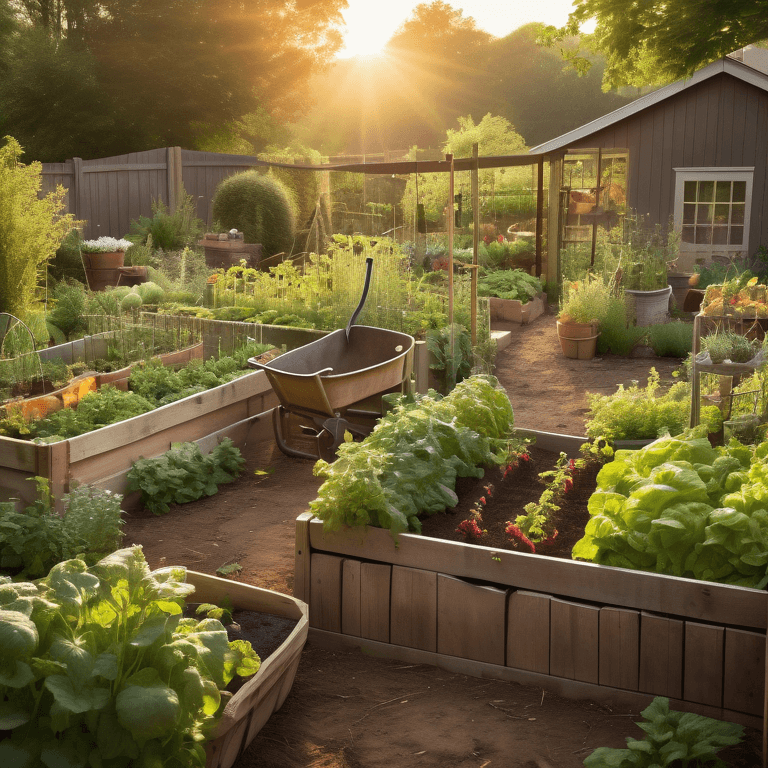
Raised beds are elevated garden beds that are constructed using materials such as wood, stone, or metal. They provide a controlled environment for plant growth and allow for better soil management. Raised beds are ideal for areas with poor soil quality or limited space. They can be customized to fit any size or shape and can be easily maintained and accessed.
Container gardens, on the other hand, are portable gardens that utilize containers such as pots, buckets, or wooden boxes to grow plants. They are a great option for small spaces, balconies, or patios. Container gardens offer flexibility and can be easily moved or rearranged to optimize growing conditions.
Both raised beds and container gardens offer the advantage of better control over soil quality, moisture levels, and pest management. They are also suitable for growing a wide variety of plants, from herbs and vegetables to fruit trees and flowering plants.
Maximizing Small Spaces with Creative Solutions
If you have a small yard or limited space, don't worry! There are plenty of creative solutions to maximize your kitchen garden in small spaces. Consider these tips:
- Embrace vertical gardening: Use trellises, stakes, or even walls to grow your plants vertically and save space.
- Utilize containers: Grow your plants in pots, hanging baskets, or raised beds to make the most of your limited space.
- Grow compact varieties: Choose plants that are known for their compact growth habit, such as dwarf tomatoes or bush beans.
- Interplanting: Plant different crops together that can grow well in close proximity, such as lettuce and radishes.
- Utilize windowsills and balconies: Even if you don't have a traditional yard, you can still grow a kitchen garden by utilizing windowsills or balconies.
By thinking creatively and making the most of your small space, you can create a beautiful and productive kitchen garden.
The Benefits of Elevated Gardening Techniques
Elevated gardening techniques, such as raised beds and large containers, offer numerous benefits for your kitchen garden. Here are some advantages to consider:
- Improved drainage: Raised beds and large containers provide better drainage for your plants, preventing waterlogging and root rot.
- Better soil control: With elevated gardening, you have more control over the quality of your soil, allowing you to create the perfect growing conditions for your plants.
- Ease of access: Raised beds and large containers are elevated off the ground, making it easier to tend to your plants without having to bend over or kneel.
- Pest prevention: Elevated gardening can help deter pests, such as ground-dwelling insects or rabbits, from accessing your plants.
- Aesthetic appeal: Raised beds and large containers can add visual interest to your garden, creating a more attractive and organized space.
Consider incorporating elevated gardening techniques into your kitchen garden design to enjoy these benefits and create a beautiful and functional garden space.
The Affiliate Verdict: Why This Kitchen Garden Design Tops the Chart
When it comes to kitchen garden ideas and garden design, one particular design stands out as the perfect choice for many gardeners. This design incorporates all the essential elements of a productive and beautiful kitchen garden. Here's why this kitchen garden design tops the chart:
- Versatility: This design allows for a wide range of plants, including vegetables, fruits, herbs, and even edible flowers. It provides a diverse and abundant harvest.
- Efficiency: The layout of this design maximizes space and promotes efficient use of resources, such as water and soil nutrients. It is designed to optimize growth and minimize waste.
- Aesthetics: This design combines functionality with beauty. It creates an inviting visually appealing garden space that enhances the overall aesthetics of your yard.
- -: The design focuses on ease of access, making it convenient for gardeners to tend to their plants, harvest produce, and enjoy the fruits of their labor.
- Sustainability: By incorporating organic gardening practices and using sustainable materials, this design promotes environmentally-friendly gardening methods.
If you're looking for a kitchen garden design that ticks all the boxes, this design is the perfect choice. It offers a combination of versatility, efficiency, aesthetics, accessibility, and sustainability, making it a top contender for any kitchen garden enthusiast.
Comparing to Similar Gardening Products and Designs
When considering different kitchen garden products and designs, it's essential to compare them to ensure you choose the best option for your needs. Let's take a look at a comparison table of the key features of different kitchen garden products and designs:
Kitchen Garden Product/Design Key Features Raised Beds - Improved drainage - Better soil control - Ease of access Large Containers - Improved drainage - Portability - Aesthetic appeal Vertical Gardening - Space-saving - Better air circulation - Easy maintenance Traditional Vegetable Garden - Large harvests - Ample growing space - Versatility
By comparing the features of different kitchen garden products and designs, you can determine which one best suits your space, preferences, and gardening goals. Consider factors such as space availability, desired plant varieties, and maintenance requirements to make an informed decision.
Making the Case: Why Start Your Kitchen Garden Today
If you're still on the fence about starting your own kitchen garden, let us make the case for why you should begin today. Here are some compelling reasons to start your own kitchen garden:
- Health benefits: Growing your own food allows you to have access to fresh and nutritious produce right at your doorstep. It promotes a healthier lifestyle and encourages you to eat more fruits and vegetables.
- Cost savings: By growing your own food, you can save money on grocery bills. The initial investment in setting up a kitchen garden is quickly recouped through the savings on store-bought produce.
- Environmental impact: Growing your own food reduces your carbon footprint by decreasing the distance traveled by your food. It also allows you to practice sustainable gardening methods, such as composting and using organic pest control.
- Connection with nature: Gardening is a great way to connect with nature and experience the joy of nurturing plants and witnessing their growth. It provides an opportunity for relaxation, stress relief, and mental well-being.
Starting your own kitchen garden is a rewarding and fulfilling endeavor that offers numerous benefits for your health, wallet, and the environment. Don't wait any longer---begin your kitchen garden today and reap the rewards.
Conclusion
In conclusion, embracing kitchen gardening not only enhances your diet with fresh produce but also contributes to a greener planet from your own backyard. While challenges like time investment and pest management exist, the benefits of elevated gardening techniques and creative solutions like raised beds make it a rewarding endeavor. Start your kitchen garden today to enjoy the satisfaction of nurturing your plants and reaping the rewards of homegrown goodness. Happy gardening!
Frequently Asked Questions
What Are the First Steps to Designing My Kitchen Garden?
The first steps to designing your kitchen garden involve considering the ideal location for your garden, determining the size of your garden bed, and planning the layout. Choose a spot that receives adequate sunlight, has good drainage, and is easily accessible from your kitchen. Divide the available space into sections, allocate specific types of vegetables or herbs to each section, and create a garden bed or raised bed for planting.
How Can I Manage Garden Pests Organically?
To manage garden pests organically, consider using natural remedies and beneficial insects. Introduce ladybugs, lacewings, and praying mantises to control aphids, mites, and other pests. Use companion planting to repel pests, such as planting marigolds to deter nematodes. Additionally, homemade sprays made from ingredients like neem oil or garlic can help control pests.
Which Vegetables and Herbs Should I Start With?
If you're new to kitchen gardening, start with easy-to-grow vegetables and herbs such as tomatoes, lettuce, basil, and parsley. These plants are relatively low maintenance and offer a rewarding harvest. You can also consider growing salad greens like spinach and arugula, as well as perennial vegetables like asparagus and rhubarb, which will provide a continuous harvest year after year.