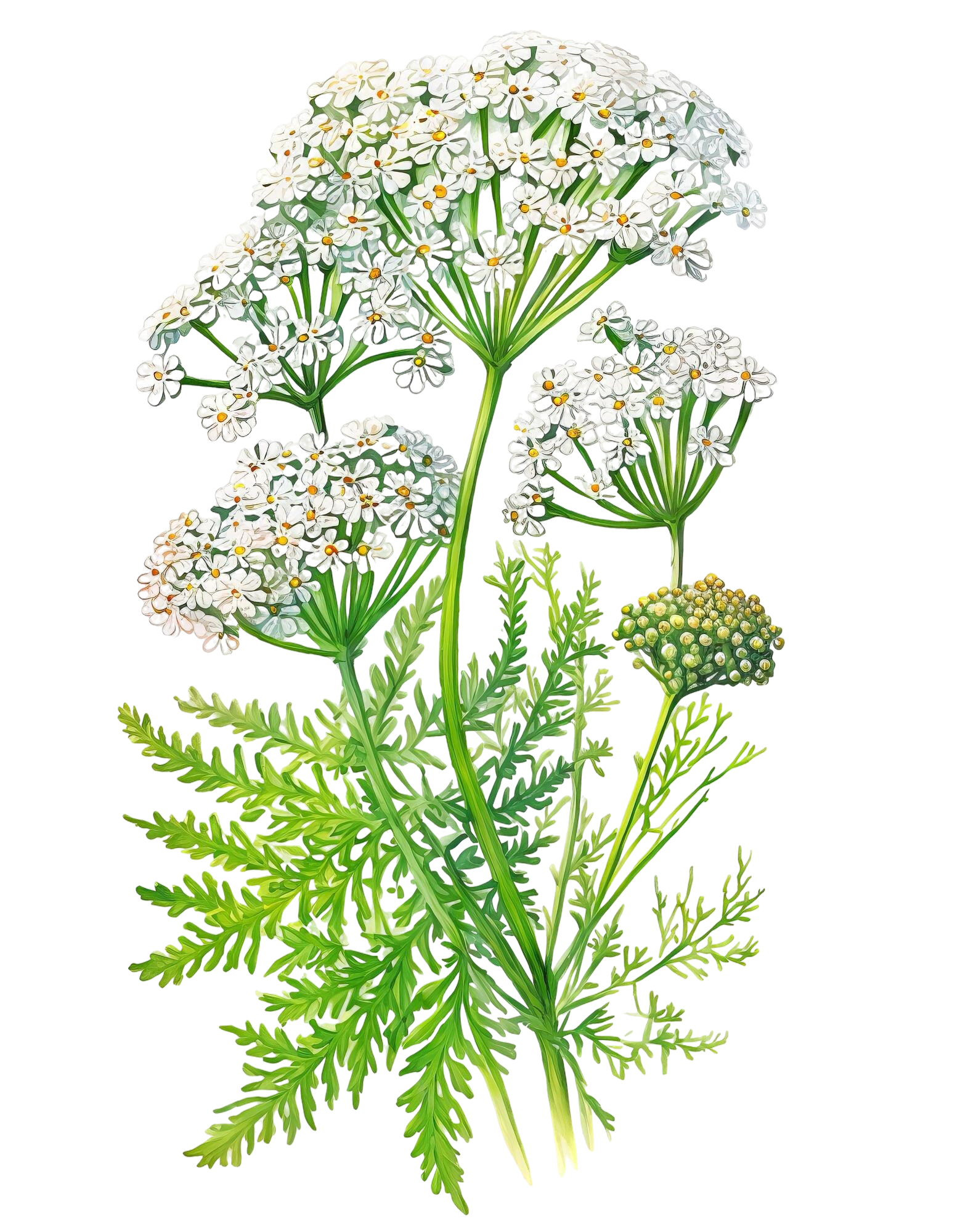

Little Hogweed Plant: Benefits, Growing Tips & Uses
Introduction
Common purslane, often known by names like little hogweed or pigweed, has a rich history dating back to ancient times. Far from being just a garden weed, it has served as both a nutritious food source and a medicinal plant in various cultures, particularly in the Middle East. Today, we'll uncover the fascinating qualities of this versatile plant and explore why it deserves a second look.
Understanding Little Hogweed: A Brief Overview

Little hogweed, scientifically known as Portulaca oleracea, is a fascinating plant belonging to the Portulacaceae family. It grows as an annual herb and thrives in numerous parts of the world, readily adapting to diverse environments. While often dismissed as a pesky garden weed, little hogweed holds immense value for both its nutritional and culinary attributes.
Interestingly, in many regions around the globe, people have embraced little hogweed as a valuable food source and incorporated it into their traditional cuisines. This recognition stems from its impressive nutritional profile and the unique flavor notes it brings to dishes.
What Makes Little Hogweed Unique?
One of the most remarkable characteristics of little hogweed is its exceptional drought tolerance. This resilience is largely attributed to its succulent leaves, which are specially adapted to store water efficiently. This feature allows the plant to flourish even in arid climates and makes it an excellent choice for gardeners residing in regions with limited water resources.
Beyond its hardiness, little hogweed also stands out for its impressive nutritional content. It boasts a high concentration of omega-3 fatty acids, even rivaling the levels found in some types of fish. Omega-3s are essential for human health, offering a wide range of benefits such as supporting heart health and reducing inflammation.
Moreover, little hogweed serves as a rich source of various vitamins and minerals, including vitamins A, C, and E, as well as calcium, magnesium, and potassium. This impressive nutritional profile positions it as a true nutritional powerhouse readily available to those willing to look beyond its unassuming appearance.
Distinguishing Between Little Hogweed and Its Lookalikes
While little hogweed, or Portulaca oleracea, offers various benefits, it's crucial to distinguish it from potential look-alikes, especially those that might be harmful. One key identifying feature is its smooth, reddish stems that often lie close to the ground as they spread.
The leaves of little hogweed, typically about an inch in diameter, are fleshy and teardrop-shaped, growing in opposite clusters. Look closely, and you'll notice they have a slightly spoon-like appearance with a smooth, waxy texture.
If you're unsure about the identification, it's always best to consult with a local plant expert or your regional agricultural extension office. They can provide accurate information and help you avoid any potential misidentification.
Cultivating Little Hogweed: Best Practices for Gardeners

For those interested in enjoying the benefits of little hogweed firsthand, cultivating this hardy plant in your garden is surprisingly easy. Little hogweed isn't picky and tolerates various growing conditions, making it a beginner-friendly addition to any garden.
Whether you have a small backyard plot or ample gardening space, these simple guidelines will help you successfully grow your little hogweed and enjoy a plentiful harvest.
Ideal Conditions for Growing Little Hogweed
Little hogweed thrives in warmth and sunshine. Choosing a spot that receives at least six hours of full sun each day is ideal for optimal growth and a bountiful harvest. Remember, more sunlight translates to more vigorous growth and a higher yield of its nutritious leaves.
When it comes to soil, this adaptable plant isn't particularly fussy. While well-drained soil is preferred, it can tolerate poor soil conditions, including sandy or gravelly textures. However, like many plants, little hogweed dislikes overly wet soil, as excessive moisture around the roots can lead to rot and other problems.
To summarize, here's what little hogweed prefers:
- Sunlight: 6+ hours of full sun daily
- Soil: Well-drained, but tolerates poor and dry soils
- Moisture: Moderate watering; avoid overwatering
Step-by-Step Guide to Planting and Care
Planting little hogweed is relatively straightforward. You can directly sow seeds into the ground or start them indoors a few weeks before the last expected frost. Scatter the seeds on the soil surface and lightly press them in, ensuring they have good contact with the soil.
Regular watering is essential, especially during the initial establishment phase. However, once the plant is established, it is remarkably drought-tolerant and will only require watering during extended dry periods. As for fertilization, little hogweed is not a heavy feeder and typically doesn't necessitate any supplemental feeding, especially if planted in moderately fertile soil.
In terms of pests and diseases, little hogweed is relatively pest-free. Compared to other garden plants, it exhibits remarkable resilience to common garden pests and diseases.
Task Instructions Planting Direct sow seeds after the last frost, lightly pressing them into the soil's surface. Watering Water regularly until established, then only during dry periods. Fertilization Not typically required, especially in moderately fertile soil. Pest Control Generally pest-free; monitor for common garden pests.
Conclusion
In conclusion, Little Hogweed is a versatile plant with unique benefits for both gardeners and culinary enthusiasts. Its distinct characteristics set it apart from similar plants, making it a valuable addition to any garden. By following best practices in cultivation and care, you can enjoy the rewards of growing Little Hogweed in optimal conditions. Whether you are interested in its ornamental value or its potential culinary uses, Little Hogweed offers a range of possibilities for your gardening adventures. Explore the world of Little Hogweed and discover the wonders it can bring to your garden landscape.
Frequently Asked Questions
Can Little Hogweed be used in cooking?
Absolutely! Pigweed, with its slightly tart and salty flavor, is delicious raw or cooked. Use the inch-long leaves as you would spinach --- in salads, stews, or sauteed as a side dish. Its calcium-rich stems add a pleasant crunch when lightly cooked.