
Essential Guide to Creating a Medicinal Herb Garden
Introduction
Incorporating herbal medicine into your daily life is easier than you think. Cultivating an own medicinal herb garden gives you access to the freshest and most potent natural remedies right at your doorstep. This comprehensive guide will show you how to harness the power of nature by starting your own medicinal herb garden and experiencing the joy of growing your own healing sanctuary.
Understanding the Benefits of a Medicinal Herb Garden

A medicinal herb garden is a treasure trove of natural remedies, brimming with plants containing powerful medicinal properties. It offers a pathway to embrace a more holistic lifestyle by integrating the healing power of nature into your daily routines. This living pharmacy allows you to create personalized remedies tailored to your specific needs.
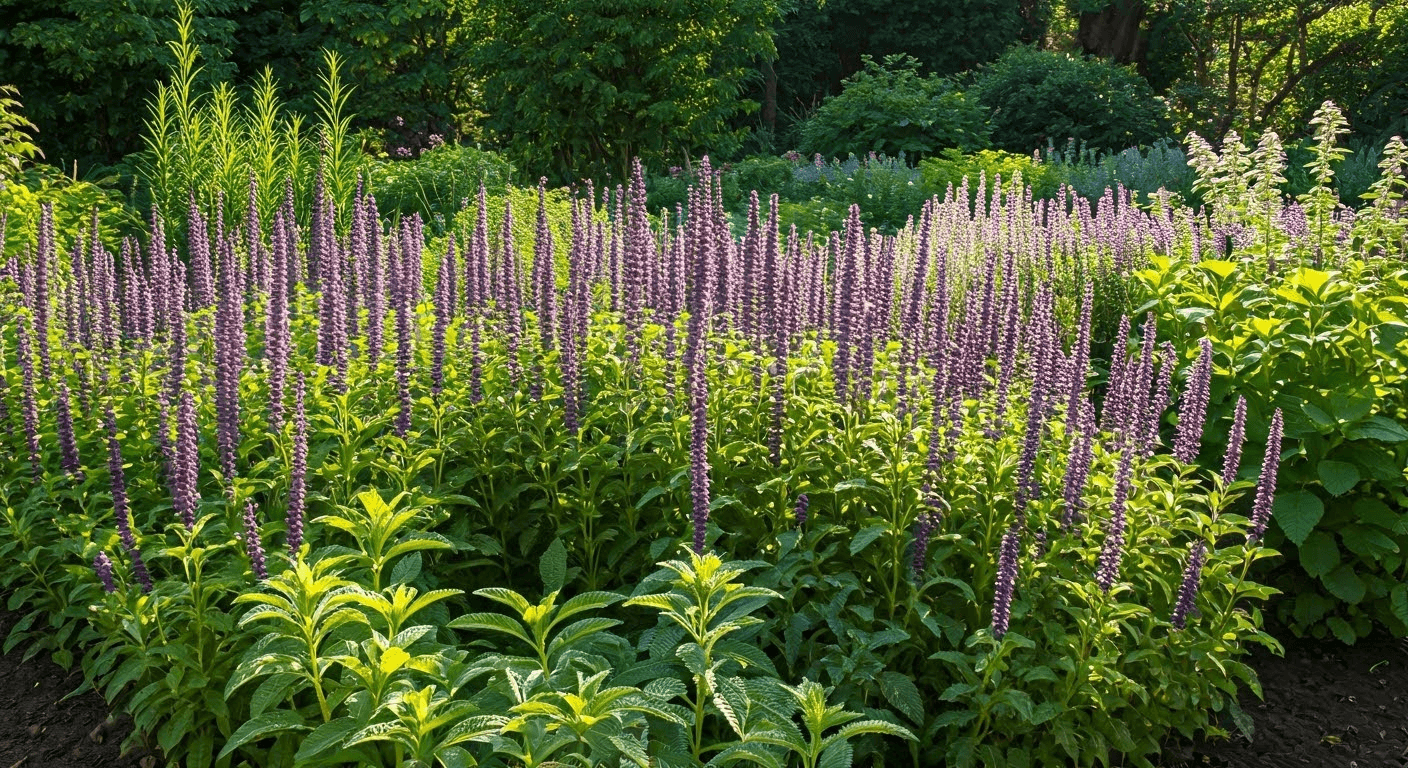
Imagine stepping into your own backyard and being greeted by the fragrant aroma of lavender, the cheerful hues of calendula, and the gentle sway of chamomile. A healing garden is more than just a collection of plants; it's a sanctuary for the senses and a testament to your commitment to well-being.
The Healing Power of Herbs
For centuries, medicinal plants have played a vital role in traditional medicine systems worldwide. Their efficacy stems from the presence of bioactive compounds that possess a wide range of therapeutic properties. From calming the nerves to soothing digestive discomfort, these versatile plants have been used for various medicinal purposes throughout history.
One of the remarkable qualities of medicinal herbs lies in their antibacterial properties. This makes them valuable allies in supporting the immune system and promoting overall wellness. It's no wonder that many modern pharmaceuticals draw inspiration from the rich tapestry of medicinal plants.
Whether you're a seasoned herbalist or a curious beginner, cultivating a medicinal herb garden is an enriching journey that deepens your connection with nature and empowers you to take charge of your health.
Sustainability and Self-Sufficiency through Gardening
In a world grappling with environmental concerns, sustainability has become more than just a buzzword---it's a necessity. Gardening, in its essence, aligns perfectly with the principles of sustainability. By growing your own food and medicine, you reduce your reliance on mass-produced products, minimize your carbon footprint, and contribute to a healthier planet.
Self-sufficiency, often intertwined with sustainability, is another compelling reason to embrace gardening. As you nurture your medicinal herb garden, you gain a sense of empowerment knowing that you're equipped to care for your well-being using the bounty of nature.
Moreover, gardening fosters a deep-rooted connection with the earth and its cycles, reminding us of our interconnectedness with the natural world. It's a humbling and empowering experience that nourishes not just the body but also the soul.
Preparing to Plant Your Medicinal Herb Garden

Before you embark on your gardening adventure, it's essential to lay the groundwork for a thriving medicinal herb garden. This involves carefully selecting the right tools, gathering the necessary resources, and understanding the specific needs of your chosen herbs.
By being prepared and equipped with the right knowledge, you'll be well on your way to creating a sanctuary of healing plants that will bring you joy and well-being for years to come.
Essential Tools and Resources Needed
Creating a thriving herb garden requires a few essential tools to nurture your medicinal plants from seed to harvest. Gather the following tools to set yourself up for success: gardening gloves to protect your hands, a hand trowel for digging and planting, a watering can or hose for irrigation, and pruning shears for maintaining plant health.
Before sowing your seeds, it's crucial to have your seed packets readily available. Each seed packet contains a wealth of information, including planting depth, spacing requirements, and optimal growing conditions. Paying close attention to these details will significantly increase your chances of successful germination and healthy plant growth.
Additionally, consider investing in a garden journal or creating a digital spreadsheet to keep track of your plantings, germination dates, and any observations you make along the way. This valuable tool will serve as a reference guide for seasons to come.
Choosing the Right Location for Your Herbs
Selecting the right location for your own medicinal herb garden is paramount to its success. Most medicinal herbs thrive in well-drained soil and full sun, so choose a garden space that receives at least six hours of direct sunlight each day. If you have limited outdoor space, don't worry! Many herbs adapt well to container gardening.
Ensure your chosen location is easily accessible for watering, weeding, and harvesting, making your gardening tasks more enjoyable. Consider the proximity to your kitchen or a frequently used entrance, as this will encourage you to interact with your herbs regularly.
Take into account factors like wind exposure and microclimates within your garden. Some herbs, like chamomile, prefer a more sheltered spot, while others, like lavender, can tolerate windier conditions.
Step-by-Step Guide to Creating Your Medicinal Herb Garden
With your tools assembled and your location prepped, it's time to embark on the exciting journey of creating your own medicinal herb sanctuary. Follow these steps to bring your vision to life.
From carefully planning your garden layout to mastering the art of planting and nurturing your herbs, each step plays a crucial role in cultivating a thriving and abundant medicinal garden.
Step 1: Planning Your Garden Layout
Before you put shovel to soil, take some time to sketch out a garden layout that maximizes your garden space. Consider factors like the mature size of each plant, their growth habits, and their sunlight requirements.
- Group plants with similar needs: Place herbs that thrive in full sun together and those that tolerate partial shade in a dedicated area.
- Maximize vertical space: Use trellises or stakes for vining plants like lemon balm to conserve ground space and add visual interest.
- Ensure adequate spacing: Provide enough space between plants to allow for proper air circulation, reducing the risk of diseases.
Remember, your garden layout can be fluid. Don't hesitate to experiment and make adjustments based on your observations and the evolving needs of your medicinal herbs.
Step 2: Selecting Medicinal Herbs for Your Climate
Choosing the right medicinal herb seeds for your climate is critical for their success. Research the specific growing requirements of each herb you intend to plant, paying close attention to their hardiness zones and frost tolerances.
Start with herbs that are well-suited to your region and consider experimenting with a few more challenging varieties as you gain confidence. Some herbs, such as lemon balm, are quite adaptable and can withstand a range of climates, making them an excellent choice for both novice and experienced gardeners.
Research local nurseries or online retailers specializing in medicinal herb seeds. It's often beneficial to start with seedlings or established plants from a reputable source to ensure their health and vigor.
Step 3: Soil Preparation and Fertilization
Proper soil preparation is the foundation of a healthy medicinal herb garden. Begin by removing any weeds or debris, then loosen the soil to a depth of about 12-18 inches. Medicinal herbs generally prefer well-drained soil, so amend heavy clay soils with compost or sand to improve drainage.
Fertilization is key to providing your herbs with the nutrients they need to flourish. Incorporate a balanced, slow-release fertilizer or enrich the soil with compost before planting. Avoid over-fertilizing, as this can lead to excessive foliage growth and reduced potency of medicinal compounds.
Regularly monitor the moisture level of your soil, especially during dry periods. Aim for consistently moist but not waterlogged conditions, as overwatering can lead to root rot.
Step 4: Planting Your Herbs
When planting your medicinal herbs, follow the recommended spacing guidelines on the seed packet or plant tag. Dig planting holes slightly larger than the root ball of your herbs and gently loosen any circling roots.
Water your newly planted herbs thoroughly to encourage establishment and provide adequate moisture for germination. Consider applying a layer of mulch around the base of your plants to help retain soil moisture, suppress weed growth, and regulate soil temperature.
Be patient as your seeds sprout and your transplants establish themselves in their new home. With proper care and attention, your medicinal herb garden will soon be bursting with vibrant life.
Step 5: Watering and Daily Care
Regular watering is essential, especially during the first growing season, as your own medicinal herbs establish their root systems. Water deeply and less frequently, allowing the soil to dry out slightly between waterings. This encourages deep root growth, making your plants more resilient to drought conditions.
Daily care involves observing your herbs for signs of pests, diseases, or nutrient deficiencies. Pinch back any leggy growth to promote bushier plants and remove any spent flowers to encourage continuous blooming and prevent self-seeding if desired.
Create a routine that works for you and your garden, setting aside a few minutes each day to nurture your plants. Enjoy the tranquility and therapeutic benefits of connecting with nature in your backyard sanctuary.
Maintaining Your Medicinal Herb Garden
Maintaining a thriving medicinal herb garden requires ongoing attention to detail and a proactive approach to pest control. By addressing issues promptly and implementing preventative measures, you can ensure the longevity and productivity of your healing plants.
Remember, a well-maintained garden not only yields an abundance of medicinal herbs but also provides immense satisfaction and a deep connection to nature's healing power.
Pest Control and Prevention
Pests can wreak havoc on your medicinal herb garden if left unchecked. Implement a combination of prevention methods and natural remedies to keep these unwanted visitors at bay. Inspect your plants regularly for any signs of infestation, noting any unusual damage or presence of insects.
Encourage beneficial insects like ladybugs and lacewings to take up residence in your garden, as they are natural predators of many common garden pests. Consider planting companion plants known to deter specific pests, such as marigolds for repelling aphids.
If an infestation does occur, address it promptly with organic pest control solutions, such as insecticidal soap or neem oil, to minimize damage to your herbs and maintain the integrity of your natural remedies.
Pruning and Harvesting Tips
Regular pruning is essential for maintaining the health, vigor, and shape of your medicinal herbs. Pruning encourages bushier growth, increases air circulation, and reduces the risk of fungal diseases. Use sharp, clean pruning shears to make clean cuts just above a leaf node.
Harvesting your medicinal herbs at their peak potency ensures maximum therapeutic benefits. The ideal time to harvest varies depending on the plant and the part being used. Generally, leaves are best harvested before flowering, while flowers are picked at their peak bloom. Roots are typically harvested in the fall after the plant has died back.
Dry or process your harvested herbs immediately to preserve their medicinal properties. Store dried herbs in airtight containers in a cool, dark place to protect them from light and moisture, which can degrade their quality over time.
Using Your Harvested Medicinal Herbs
Now that you've nurtured your medicinal herb garden and gathered a bountiful harvest, it's time to put those potent plants to good use. Explore the world of herbal remedies and discover the transformative power of nature's medicine cabinet.
From soothing teas to healing salves, the possibilities for harnessing the therapeutic properties of your homegrown herbs are endless.
Drying and Storing Herbs
Drying herbs is a simple and effective way to preserve their medicinal properties for long-term storage. Gather your herbs in small bundles, securing them with twine or rubber bands, and hang them upside down in a well-ventilated, dark, and dry location. This allows for even air circulation, preventing mold growth.
Once the herbs are completely dry, crumble the leaves or flowers and discard the stems. Store your dried herbs in airtight containers, such as glass jars with tight-fitting lids, in a cool, dark place away from direct sunlight and heat, which can degrade their quality over time.
Properly dried and stored herbs can retain their medicinal potency for up to a year or more. Don't forget to label your containers with the herb name and drying date for easy identification.
Making Herbal Remedies at Home
Creating your own herbal remedies at home is a rewarding and empowering experience. A tincture, made by steeping herbs in alcohol or glycerin, extracts and preserves the medicinal properties of plants over long periods. You can experiment with different herb combinations to create custom tinctures for specific needs.
In addition to tinctures, you can incorporate your dried herbs into teas, infusions, salves, oils, and more. Experiment with different preparations and consult reputable herbalism resources for guidance on safe and effective methods.
Always exercise caution when making and using homemade remedies. Start with small doses and monitor your body's response. If you have any underlying health conditions or are taking medication, consult with a qualified healthcare professional before incorporating herbal remedies into your wellness routine.
Conclusion
Creating a medicinal herb garden is a fulfilling journey that offers numerous benefits. From promoting sustainability to providing natural remedies, herbs enrich our lives in various ways. By following a carefully planned layout and proper care routine, you can cultivate a thriving garden of healing plants. Remember to consider your local climate and choose herbs that suit your region. Regular maintenance, including watering and pest control, will ensure a bountiful harvest. Utilize your harvested herbs by drying and storing them for future use or creating homemade remedies. Embrace the art of herbal gardening and enjoy the therapeutic rewards it brings.
Frequently Asked Questions
What are the easiest medicinal herbs to grow?
Lemon balm and chamomile are both great choices for beginner gardeners due to their easy growth. These medicinal herbs are relatively low-maintenance and tolerant of a range of growing conditions, making them ideal for those new to gardening.
How often should I water my medicinal herb garden?
Watering needs vary, but as a general rule, water deeply when the soil is dry to the touch. Factor in weather conditions, with those in full sun needing more frequent watering. It's always best to check soil moisture regularly.
Can I grow medicinal herbs in pots?
Absolutely! Pots are great for small spaces or balcony gardening, allowing you to cultivate medicinal herbs even without a backyard. Choose containers with adequate drainage and use a well-draining potting mix.