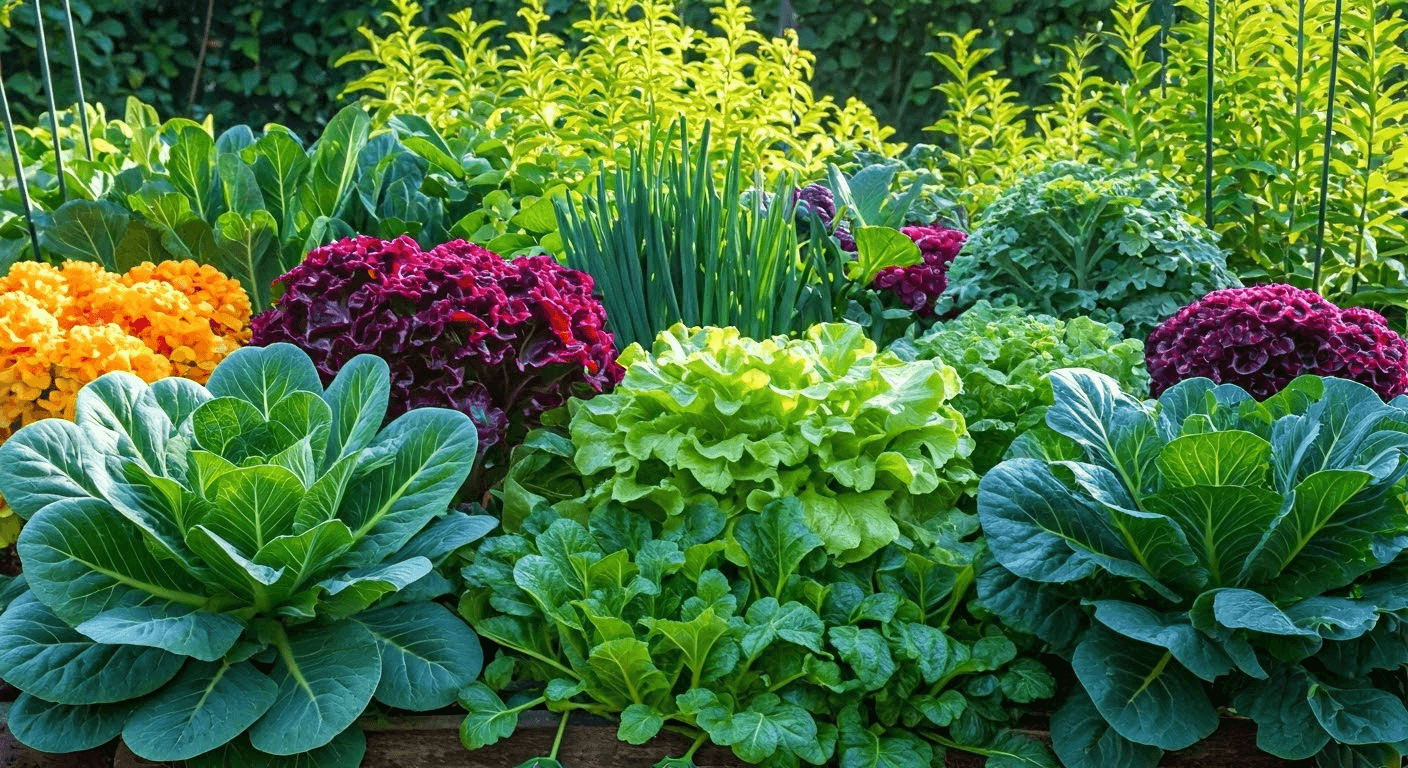

Grow Your Own Food: Perennial Veg Plants Guide
Introduction
Imagine a vegetable garden that not only provides fresh, homegrown produce but also flourishes year after year with minimal effort. This is the beauty of cultivating a perennial vegetable garden. Unlike annual vegetables that require replanting each year, edible perennials grace your table and enhance your garden's vitality across multiple growing seasons. This comprehensive guide will serve as your roadmap to cultivating your very own supply of delicious and sustainable perennial crops.
Essential Perennial Vegetables to Cultivate in Your Garden

Creating a flourishing perennial vegetable garden unlocks a world of flavors and reduces reliance on annual planting. From well-known favorites like asparagus and rhubarb to more unique options such as Good King Henry and Sea Kale, the array of perennial vegetables available offers something for every palate and garden space.
Whether you are a seasoned gardener or just starting, incorporating a mix of these low-maintenance edibles into your garden is a rewarding way to ensure a continuous harvest throughout the growing season and beyond.
1. Asparagus: The Spring Delicacy
Asparagus is a beloved perennial vegetable cherished for its distinctive flavor and early spring emergence. This harbinger of the growing season sends up tender spears that are a true culinary delight. While it requires a bit of patience, as harvesting typically begins in the third year after planting, an established asparagus patch can provide delicious spears for decades.
Asparagus thrives in well-drained soil and prefers a sunny location in the garden. When the fern-like foliage emerges after the spring harvest, allow it to grow and mature. This foliage will nourish the plant, enabling it to produce an abundant crop in the years to come. For optimal results, consider adding aged manure or compost to enrich the soil and promote healthy growth.
2. Rhubarb: The Pie Plant
Renowned for its tart flavor and versatility in desserts, rhubarb is a perennial vegetable that brings a delightful tang to the garden. Unlike many other vegetables, it is the stalks of the rhubarb plant, not the leaves, that are edible. The large leaves, while visually appealing, contain oxalic acid and should not be consumed.
Rhubarb thrives in regions with cool climates, preferring full sun to partial shade. When preparing a bed for rhubarb, it's essential to amend the soil with organic matter, such as compost or well-rotted manure, as rhubarb prefers fertile, well-drained soil. A single rhubarb plant can produce an abundant harvest for many years.
3. Jerusalem Artichokes: The Sunchoke Surprise

Native to North America, Jerusalem artichokes, also known as sunchokes, offer a unique flavor profile reminiscent of artichokes and water chestnuts. These sunflower relatives are a versatile addition to the garden, valued for both their edible tubers and their attractive yellow flowers that brighten the late summer landscape.
While planting Jerusalem artichokes enriches the garden with beauty and flavor, be mindful of their vigorous growth habit. Their tendency to spread can make them somewhat invasive in certain settings. To prevent them from overwhelming other plants, consider containing them within a designated area or raised bed.
4. Horseradish: The Fiery Root
Known for its pungent flavor and culinary versatility, horseradish is a cool-season perennial vegetable that thrives in temperate climates. This hardy plant is a snap to grow and offers a zesty kick to sauces, condiments, and dishes. Its deep-growing roots add an element of low-maintenance appeal to the perennial vegetable garden.
Cultivating horseradish is relatively straightforward -- it prefers a sunny to partially shaded location with well-drained soil. When harvesting, be sure to leave a portion of the root intact, as this will allow the plant to regenerate in the following year.
5. Globe Artichokes: A Gourmet's Delight
Globe artichokes are prized for their unique flavor and striking appearance. These architectural marvels grace the garden with silvery-green foliage and impressive edible flower buds. While typically grown as annuals in cooler climates, globe artichokes thrive as perennials in warmer regions, producing an ongoing supply of these gourmet delights.
Cultivating globe artichokes is a rewarding endeavor for gardeners seeking to add a touch of elegance to their culinary repertoire. They thrive in full sun and well-drained soil enriched with organic matter. To promote optimal growth and flower production, regular watering is crucial, especially during dry periods.
6. Scarlet Runner Beans: Ornamental and Edible
Scarlet runner beans bring a vibrant splash of color to the garden with their showy red flowers and twining vines. These fast-growing edible perennials are both decorative and delicious, producing an abundance of edible pods and beautiful scarlet blooms. Beyond their ornamental value, scarlet runner beans offer a culinary bonus.
The young, tender pods of scarlet runner beans can be enjoyed fresh or cooked. As the pods mature, the beans inside become plump and flavorful, ideal for shelling and enjoying like other bean varieties. For a visual and culinary treat, consider incorporating these dual-purpose beauties into your garden.
7. Sea Kale: Coastal Crunch
As its name suggests, Sea Kale is a salt-tolerant perennial vegetable that thrives in coastal regions. Its ability to flourish in sandy soil and withstand harsh seaside conditions makes it a unique and resilient addition to the garden. Sea kale boasts a flavor profile reminiscent of asparagus and cabbage and can be enjoyed in various ways.
The young shoots of Sea Kale are considered a delicacy and can be blanched for a tender and flavorful treat. The leaves, while edible, are best harvested when young, offering a slightly bitter yet pleasant taste. If you're looking for an unconventional and easy-to-grow perennial vegetable, look no further than Sea Kale.
8. Lovage: The Forgotten Herb
Lovage, often overlooked in modern gardens, deserves a prominent place among other edible perennials. This versatile herb, with its tall stalks, celery-like leaves, and unique flavor profile, adds depth and complexity to a wide range of culinary creations. Its resilience and ability to thrive in various conditions make it an excellent choice for both novice and experienced gardeners alike.
The leaves, stalks, and seeds of lovage are edible, offering a spectrum of flavors. The leaves impart a celery-like taste with subtle hints of anise and parsley, making them a delightful addition to soups, stews, and salads. The stalks, similar in taste to celery, work well in stir-fries or as a crunchy snack.
9. Chicory: Coffee's Companion
Chicory is a hardy perennial vegetable cultivated for its leaves, roots, and vibrant blue flowers. The slightly bitter leaves add a delightful crunch to salads and can also be cooked like other greens, while the roots are often roasted and ground, serving as a caffeine-free coffee substitute or flavor enhancer.
Chicory prefers a sunny to a partially shaded location and well-drained soil. It's relatively low-maintenance and tolerant of drought conditions, making it suitable for gardens with varied growing conditions. Once established, Chicory can grace your garden with its vibrant blooms and unique flavor for many growing seasons.
10. Good King Henry: The Spinach Alternative
Introducing Good King Henry (Chenopodium bonus-henricus), a nutritious and versatile perennial green often hailed as a spinach alternative. A member of the same family as quinoa and beets, this adaptable plant thrives in a variety of conditions, making it a welcome addition to almost any garden. If you're looking to diversify your palate and add a nutrient-rich powerhouse to your plate, consider welcoming Good King Henry to your garden.
One of the best features of Good King Henry is its ability to tolerate partial shade. While it flourishes in full sun, it can also produce well even in shadier spots, making it an ideal choice for gardens with limited sunlight. Good King Henry is a prolific producer throughout the growing season, and its young shoots offer a taste similar to asparagus, while the mature leaves can be cooked like spinach, adding a nutritious and delicious element to your meals.
Cultivating Your Perennial Vegetable Garden
Cultivating a thriving perennial vegetable garden is an investment that will reward you with an abundance of fresh produce for years to come. To ensure your perennials thrive, consider their specific growing requirements. Understanding their unique needs, such as optimal sunlight, soil type, and watering preferences, is essential for their long-term success.
While perennial vegetables are generally low-maintenance, providing them with adequate care in their initial growing stages is key. This includes proper soil preparation, watering, and weed control. By tending to their needs, you'll set the stage for healthy growth and abundant harvests in the future.
Understanding Soil Needs for Perennials
Perennial vegetables, like all plants, thrive when their soil needs are met. However, unlike annual vegetables that rely on a single growing season to produce a crop, perennials draw nutrients from the soil year after year. This means enriching the soil with ample organic matter is crucial for sustaining their long-term health and productivity.
Before planting your perennial vegetables, take some time to prepare the planting area. Amending the soil with compost, aged manure, or other forms of organic matter will provide essential nutrients and improve its structure, creating a hospitable environment for your plants to establish strong root systems.
Watering Strategies for Sustainable Growth
Once established, many perennial vegetables are relatively drought-tolerant. However, consistent watering, particularly during their first year of growth, is essential for developing strong root systems. Deep, infrequent watering is preferable to shallow, frequent watering, as it encourages roots to extend deeper into the soil, making them more resilient during periods of drought.
When watering, strive to apply water directly to the soil, minimizing evaporation and ensuring the roots receive the moisture they need. Consider using soaker hoses or drip irrigation systems, which deliver water slowly and directly to the root zone, promoting efficient water use and maximizing your garden's sustainable growth.
Maximizing Your Garden's Potential with Perennials
Integrating perennials into your vegetable garden offers more than just a fresh supply of produce; it can enhance the overall health and productivity of your garden. By strategically incorporating companion plants, you can create mutually beneficial relationships between your perennial vegetables and other plants in your garden, deterring pests, attracting beneficial insects, and promoting vigorous growth.
Moreover, perennial vegetables, with their deep root systems, help improve soil structure and fertility over time. Their presence contributes to a healthier and more resilient garden ecosystem.
Companion Planting with Perennials
Companion planting, a time-honored gardening technique, involves strategically placing different plants together to enhance their growth and deter pests. When it comes to perennial edibles, companion planting can play a crucial role in maintaining a balanced garden ecosystem.
One of the primary benefits of companion planting is its ability to attract beneficial insects. For instance, planting herbs like yarrow, dill, or fennel near your perennial vegetables can attract ladybugs, lacewings, and hoverflies. These insects are natural predators to common garden pests, helping to keep their populations in check.
Seasonal Care and Harvesting Tips
Just like any other plants in your garden, perennials require some seasonal care to ensure they stay healthy and productive. They benefit from a little attention in spring and fall to tidy them up and prepare them for what's next. Let's look at some seasonal care and harvesting tips for perennial vegetables:
- Spring:
- Clear away any debris or mulch you used to protect your plants over the winter.
- Fertilize in early spring with well-rotted manure or compost.
- Apply mulch to keep moisture in the ground and stop weeds from growing.
- Fall:
- After plants die back, you can divide them and replant them in other areas.
- Remove any dead or diseased foliage and add to your compost pile.
Overcoming Challenges in Perennial Gardening
While perennial vegetables are generally lower maintenance than their annual counterparts, they are not immune to challenges. Pests and diseases can occasionally arise, potentially impacting the health and productivity of your plants. However, with proactive measures and a little know-how, these challenges can be effectively managed.
By promptly identifying and addressing pest or disease issues, you can minimize their impact and ensure the long-term health of your perennial vegetables. Remember, a well-maintained garden is a less hospitable environment for pests and diseases to take hold.
Managing Pests and Diseases
To protect your perennial vegetable garden from pests and diseases, it's essential to employ proactive strategies that prevent infestations and maintain a healthy growing environment. Regularly inspecting your plants for any signs of trouble, such as discoloration, wilting, or unusual growths, allows for early detection and intervention.
Encouraging beneficial insects, like ladybugs and lacewings, to visit your garden is a natural way to control pest populations. These beneficial insects prey on common garden pests, helping to keep their numbers in check. You can attract them by planting a variety of flowering plants that provide pollen and nectar.
Perennial Pruning Basics
Perennial pruning is an important aspect of maintaining healthy and productive plants. By selectively removing certain parts of the plant, you encourage new growth, improve air circulation, and prevent the spread of diseases. However, the timing and extent of pruning vary depending on the specific type of perennial vegetable.
For perennials like asparagus, rhubarb, and globe artichokes, the first year after planting is crucial for establishing a strong root system. Therefore, it's best to avoid any significant pruning during this initial year. Instead, focus on removing any damaged or diseased foliage and allowing the plant to focus its energy on root development.
Beyond the Garden: Perennials in the Kitchen
The joys of perennial gardening extend far beyond the garden gates---they reach into the heart of your kitchen, where fresh, homegrown flavors transform ordinary meals into extraordinary culinary experiences. One of the most rewarding aspects of growing your own perennial vegetables is exploring the abundance of innovative and delicious ways to incorporate them into your meals.
From savory soups and stews to refreshing salads and even delectable desserts, the versatility of perennial vegetables knows no bounds. With a little culinary creativity, you can savor the fruits of your labor in countless ways, enjoying the unique flavors that only come from tending your own garden.
Preserving Your Harvest
As any gardener knows, the bounty of a bountiful harvest is a gift that keeps on giving when preserved for enjoyment throughout the year. Preserving your surplus guarantees the fruits of your labor grace your dinner table long after the growing season ends. From freezing to drying to pickling, explore the various methods for preserving your perennial vegetable harvest:
Method Description Freezing Ideal for preserving the freshness of herbs, berries, and blanched vegetables. Drying Perfect for herbs, tomatoes, and beans, intensifying their flavors. Pickling A classic method for preserving vegetables like beans and asparagus, adding a tangy twist to your dishes.
Innovative Recipes for Perennial Vegetables
The unique flavors of perennial vegetables lend themselves beautifully to innovative recipes that will tantalize your taste buds and impress your guests. Whether you're a seasoned chef or just beginning your culinary journey, there's a world of delicious possibilities waiting to be explored.
For a light and refreshing appetizer or side dish, consider a shaved asparagus salad with lemon vinaigrette. The crisp, tender asparagus pairs perfectly with a bright citrus dressing for a simple yet elegant dish. Another delectable option is a Roasted Rhubarb and Strawberry Galette -- the combination of tart rhubarb and sweet strawberries creates a symphony of flavors sure to please any palate.
The Future of Food: Why Perennials Matter
In an era marked by growing concerns about climate change and the environmental impact of food production, perennial vegetables offer a beacon of hope for a more sustainable and resilient future. Their remarkable ability to thrive for years without the need for annual tilling or replanting reduces soil erosion and promotes healthier ecosystems.
Moreover, perennial vegetables, with their deep root systems, play a crucial role in carbon sequestration, drawing carbon dioxide from the atmosphere and storing it in the soil. Embracing perennial gardening is a step towards mitigating climate change and fostering a healthier planet for generations to come.
Environmental Benefits of Growing Perennials
The benefits of cultivating edible perennials extend far beyond providing fresh, nutritious food for your table. Their deep root systems offer natural erosion control, preventing soil loss and improving water infiltration. Compared to annual crops that require yearly tilling, perennials help maintain soil structure and prevent nutrient depletion, promoting long-term soil health and fertility.
Unlike the continuous cycle of planting, tilling, and harvesting associated with annual crops, perennial vegetables require less intensive soil disturbance. This reduction in tillage translates to lower energy consumption, minimizing the carbon footprint of your gardening practices.
The Role of Perennials in Food Security
As the global population continues to grow, so does the urgency to address food security concerns and ensure access to nutritious food for all. Perennial crops offer a promising solution to enhance food security, particularly in regions facing environmental challenges or resource constraints.
One of the key advantages of perennial crops is their ability to thrive with minimal inputs. Compared to annual crops that demand frequent watering, fertilization, and pest control, perennials, once established, require less intensive management. Moreover, perennial crops, with their deep root systems, are more resilient to drought conditions, making them valuable assets in regions prone to water scarcity. Their ability to withstand harsh climates and adapt to diverse growing conditions makes them ideal for contributing to food security in vulnerable areas.
Conclusion
In conclusion, cultivating perennial vegetables is a sustainable and rewarding practice for any gardener. By incorporating essential perennial varieties like asparagus, rhubarb, and globe artichokes, you can maximize your garden's potential while enjoying a continuous harvest year after year. Understanding the soil needs, watering strategies, and seasonal care for perennials is key to their success. Embracing companion planting and innovative recipes can further enhance your gardening experience. Perennial vegetables not only offer environmental benefits but also play a crucial role in ensuring food security. Explore the world of perennial veg plants and discover a more resilient and diverse approach to growing your own food. Happy gardening!
Frequently Asked Questions
What are the easiest perennial vegetables to grow for beginners?
For those new to perennial vegetables, asparagus, rhubarb, and garlic chives are great choices for their ease of care and resilience. These low-maintenance options can thrive with minimal attention, allowing beginners to enjoy a bountiful harvest from their first year's garden bed.
How do I prepare my soil for perennial vegetables?
Prepare your soil for success by removing weeds, adding ample amounts of organic matter like compost, and ensuring proper drainage. Healthy, well-nourished soil forms the foundation of a thriving perennial vegetable garden and is well worth the initial effort. These steps create an ideal environment for your perennial vegetables to thrive and contribute to your garden's health for years to come.
Can perennial vegetables survive in colder climates?
Absolutely! Many perennial vegetables can tolerate and even flourish in colder climates. Choosing varieties suited to your hardiness zone ensures their survival and productivity. This allows you to enjoy fresh, homegrown food regardless of your climate's challenges. With proper care and selection, you can extend your growing season and relish the satisfaction of growing your own food year-round.
Are there perennial vegetables that can be grown in containers?
Yes, several perennial vegetables thrive in containers, making them ideal for small spaces or patio gardening. Chives, sorrel, and even some varieties of asparagus can be grown successfully in containers. Choose compact varieties appropriate for container life. This allows you to tailor your perennial vegetable garden to your available space and enjoy homegrown goodness regardless of limitations. Make sure to select container-friendly varieties and adjust the planting and care practices to suit their unique needs and local climate conditions.