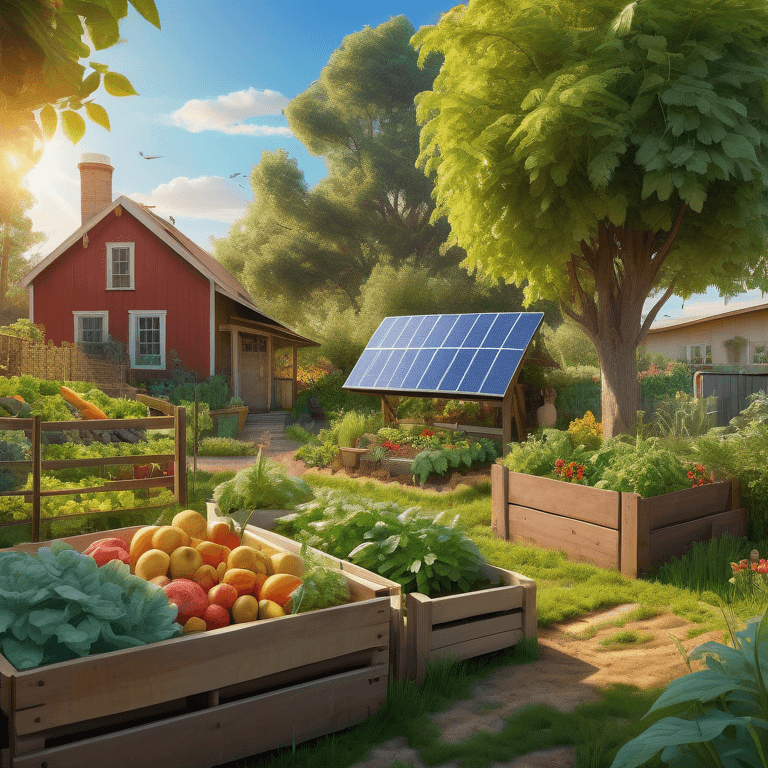

Is Permaculture Agriculture Worth the Hype? Expert Review
Introduction
Permaculture agriculture, a sustainable farming approach rooted in ecological principles, is garnering attention worldwide. By integrating natural systems and design principles, permaculture offers a holistic solution to food production challenges while promoting environmental stewardship. Originating from the visionary minds of David Holmgren and Bill Mollison in Australia, permaculture emphasizes biodiversity, soil health, and resilience to climate change. Let's delve deeper into the realm of permaculture farming to understand its potential in shaping a more sustainable future.
Unveiling Permaculture: A Sustainable Agriculture Revolution

Permaculture agriculture stands as a sustainable revolution reshaping food production. Rooted in principles of sustainable development, permaculture design fosters natural ecosystems for efficient pest control and soil health. Pioneered by David Holmgren and Bill Mollison in Australia, permaculture embodies a holistic approach to farming. By designing productive systems that mimic natural systems, permaculture farming ensures long-term sustainability, reduced carbon footprint, and increased resilience to climate change. This innovative approach integrates renewable resources and promotes biodiversity, making permaculture a true agriculture revolution.
Defining Permaculture and Its Core Ethics
Permaculture is a design system that integrates human activity with natural ecosystems to create sustainable and productive systems for food production. Developed by Bill Mollison and David Holmgren in Australia, permaculture is guided by principles emphasizing sustainability, biodiversity, and resilience to climate change. Its core ethics revolve around caring for the earth, caring for people, and fair share or redistribution of surplus. By prioritizing sustainable farming practices and enhancing biodiversity, permaculture aims to minimize the carbon footprint and promote long-term ecological balance.
The Genesis of Permaculture: From Concept to Global Movement
Permaculture emerged in the 1970s as a brainchild of Australian pioneers Bill Mollison and David Holmgren. Their vision aimed to create sustainable systems mimicking natural ecosystems, revolutionizing traditional agriculture practices. Initially conceived as a design system for sustainable food production, permaculture has evolved into a global movement encompassing diverse disciplines and principles. Its growth can be attributed to the increasing emphasis on sustainability, resilience to climate change, and the crucial need to harmonize human activity with natural systems.
Navigating the Features of Permaculture Agriculture

Permaculture agriculture stands out for its diverse features that promote sustainable practices. From embracing diversity through polycultures to innovative water management techniques, permaculture farms prioritize ecosystem health and resilience. By utilizing renewable resources and emphasizing biodiversity, permaculture systems exhibit lower maintenance needs and foster natural ecosystems. The integration of elements like stormwater harvesting and organic matter recycling showcases the holistic approach of permaculture design principles towards creating productive and sustainable farming systems.
Embracing Diversity: Polycultures vs. Monocultures
In permaculture agriculture, embracing diversity through polycultures is favored over monocultures. Polycultures feature a mix of plant species, enhancing ecosystem resilience and reducing the risk of crop failure. In contrast, monocultures rely on a single crop, making them more susceptible to pest outbreaks and soil depletion. Polycultures mimic natural ecosystems, promoting biodiversity and healthier soil. This diversity not only boosts overall productivity but also minimizes the need for external inputs like pesticides and fertilizers, aligning closely with sustainable farming practices.
Water Wisdom: Innovative Water Management Techniques
Implementing creative water management techniques is a cornerstone of permaculture farming. Techniques like rainwater harvesting, swales, and keyline design are paramount for water conservation. By leveraging natural systems, permaculturists effectively capture and store water, reducing dependency on external sources. Utilizing mulch and smart irrigation systems helps maintain soil moisture, crucial for sustainable crop growth. These innovative water management strategies not only benefit the farm but also contribute to overall ecosystem health and resilience.
The Pros: Why Permaculture is Gaining Ground
Enhancing biodiversity and ecosystem health are key drivers behind the rise of permaculture agriculture. Its resilience to climate change offers a natural and sustainable solution to farming challenges. Moreover, permaculture contributes to boosting food security and local economies by promoting self-sufficiency and reducing dependence on external resources. The integrated approach of permaculture design principles aligns with the growing focus on sustainable development and environmental stewardship in modern agriculture.
Enhancing Biodiversity and Ecosystem Health
Permaculture agriculture excels in enhancing biodiversity and ecosystem health through its holistic approach. By designing systems that mimic natural ecosystems, permaculture farms promote a diverse range of plant and animal species, creating balanced and resilient ecosystems. The integration of polycultures, companion planting, and natural pest control methods contributes to increased biodiversity and ecosystem stability. This approach not only supports local wildlife but also strengthens the overall health and resilience of the farming environment.
Resilience to Climate Change: A Natural Solution
Permaculture agriculture offers a natural solution to climate change challenges. By design, permaculture systems promote resilience in the face of unpredictable weather patterns, making them valuable in a changing climate. Through diverse plantings and water management techniques, permaculture farms can better withstand extreme conditions such as droughts or floods. This adaptability inherent in permaculture not only benefits food production but also helps in preserving ecosystems and mitigating the effects of climate change on agriculture.
Boosting Food Security and Local Economies
Permaculture agriculture plays a pivotal role in boosting food security and local economies. By emphasizing diverse crop production and reducing reliance on external resources, permaculture systems enhance food sovereignty within communities. This sustainable approach fosters self-reliance and strengthens local economic resilience by reducing input costs and creating opportunities for small-scale producers. Additionally, the focus on local production and distribution networks aids in building a more robust and interconnected economy, benefiting both farmers and consumers alike.
The Cons: Challenges Facing Permaculture Agriculture
Misconceptions and lack of awareness pose significant challenges for permaculture agriculture adoption. Initial setup costs and the substantial effort required can deter newcomers. Educating the wider community and dispelling myths around this sustainable practice are crucial. Overcoming the financial barriers and convincing individuals of the long-term benefits remain ongoing hurdles in popularizing permaculture farming practices.
Misconceptions and Lack of Awareness
Permaculture agriculture may face misconceptions and lack of awareness due to its holistic nature. Some individuals mistakenly believe it involves only gardening, unaware of its broader applications in sustainable farming practices. Lack of education about permaculture principles and their benefits contributes to the misunderstanding. Addressing these misconceptions through outreach and education initiatives is crucial for debunking myths and increasing understanding of the potential of permaculture agriculture. Awareness-raising efforts can bridge the gap and showcase the value of this innovative farming approach.
Initial Setup Costs and Effort
To implement permaculture agriculture, expect initial setup costs and substantial effort. Creating a permaculture farm involves planning multiple elements like garden beds, water management systems, and diverse plantings. These initial expenses can vary based on the scale and complexity of the design. Furthermore, incorporating permaculture principles demands commitment and time-intensive effort for establishing natural ecosystems and productive systems. However, the long-term benefits of lower maintenance and sustainable food production often outweigh the upfront investments.
Exploring Alternatives: Similar Sustainable Practices
There are several sustainable practices similar to permaculture that focus on ecological and regenerative farming. Organic farming, for example, follows similar principles of biodiversity, soil health, and organic practices. It emphasizes the use of natural fertilizers and pest control methods, avoiding synthetic inputs. Biodynamic agriculture is another holistic approach that incorporates spiritual and regenerative practices. It focuses on creating a balanced and harmonious farm ecosystem. Other sustainable practices include agroecology, regenerative agriculture, and agroforestry, all of which aim to improve soil health, promote biodiversity, and reduce environmental impacts.
Organic Farming: Principles and Practices
Organic farming is a sustainable practice that prioritizes soil health, biodiversity, and organic practices. It emphasizes the use of natural fertilizers, such as compost and manure, and avoids synthetic chemicals and pesticides. Organic farmers focus on building healthy soil through practices like crop rotation, cover cropping, and mulching. They also promote biodiversity by encouraging beneficial insects and wildlife on their farms. Pest control in organic farming involves methods like biological control, crop rotation, and companion planting. By following organic farming principles, farmers can reduce environmental pollution, protect wildlife habitats, and provide consumers with healthier and more nutritious food.
Biodynamic Agriculture: A Holistic Approach
Biodynamic agriculture is a holistic approach that goes beyond organic farming. It incorporates spiritual and regenerative practices to create a balanced and harmonious farm ecosystem. Biodynamic farmers view their farms as living organisms and strive to enhance the vitality and health of the soil, plants, animals, and humans. They follow specific biodynamic preparations, which involve using natural substances like herbs, minerals, and compost to enhance soil fertility and plant health. Biodynamic farming also considers celestial and lunar cycles for planting and harvesting. By implementing biodynamic practices, farmers aim to create resilient and self-sustaining agricultural systems that contribute to the overall health of the planet and its inhabitants.
The Final Verdict: Is Permaculture Worth the Hype?
Permaculture is an innovative and holistic approach to agriculture that offers numerous benefits for both the environment and people. It focuses on creating self-sufficient and regenerative food production systems that mimic natural ecosystems. By following principles like biodiversity, soil health, and companion planting, permaculture farms can achieve long-term sustainability while minimizing negative environmental impacts.
Assessing the Impact on Environment and Society
Permaculture has a positive impact on the environment and society. By prioritizing soil health, biodiversity, and organic practices, permaculture farms reduce the use of synthetic chemicals and pesticides, minimizing pollution and protecting wildlife habitats. Additionally, permaculture incorporates sustainable water management techniques, such as stormwater harvesting and greywater recycling, to conserve water resources. On a societal level, permaculture promotes community involvement and empowerment. It encourages collaboration and knowledge sharing, fostering resilient and self-sufficient communities. Permaculture also promotes local food production, reducing dependence on long-distance transportation and supporting local economies. Overall, permaculture offers a sustainable and holistic approach to agriculture that benefits both the environment and society.
Balancing Pros and Cons: An Expert Opinion
While permaculture offers numerous benefits, it also has its limitations. One of the main challenges is the time and effort required to establish and maintain a permaculture system. It involves careful observation, planning, and implementation, which can be demanding for farmers. Additionally, permaculture courses and training can be costly, limiting accessibility for some individuals. However, many experts believe that the benefits of permaculture outweigh the challenges. The regenerative and sustainable practices of permaculture contribute to soil health, biodiversity conservation, and reduced environmental impact. Permaculture also promotes self-sufficiency, reduces waste, and fosters resilient communities. While it may require initial investment and effort, permaculture offers long-term benefits for both farmers and the planet.
Conclusion
In conclusion, permaculture agriculture emerges as a promising sustainable farming methodology with its emphasis on biodiversity, climate resilience, and food security. While initial setup costs and awareness challenges exist, the long-term benefits to ecosystems and local economies are substantial. The holistic approach of permaculture offers a natural solution to environmental concerns and societal needs. By embracing diversity and innovative water management, permaculture demonstrates its potential to revolutionize modern agricultural practices positively. Whether in urban settings or backyard gardens, integrating permaculture principles holds promise for a more sustainable future.
Frequently Asked Questions
Can Permaculture Be Implemented in Urban Settings?
Yes, permaculture can be implemented in urban settings. The principles of permaculture, such as maximizing space utilization and utilizing renewable resources, can be applied to urban gardens and rooftop farms.
How Does Permaculture Differ from Traditional Farming?
Permaculture differs from traditional farming by focusing on mimicking natural ecosystems, promoting biodiversity, and utilizing regenerative practices. It emphasizes self-sufficiency, reduced waste, and long-term sustainability.
Is Permaculture Practical for Large-Scale Agriculture?
Permaculture can be practical for large-scale agriculture, but it requires careful planning and adaptation. Scaling up permaculture practices may involve addressing logistical challenges and implementing systems that can efficiently manage larger areas of land.
What Are the First Steps Towards Starting a Permaculture Farm?
The first steps towards starting a permaculture farm involve observing the land, understanding its unique characteristics, and planning the design based on permaculture principles. Soil testing and building healthy soil are also important initial steps.
Can I Integrate Permaculture Principles in My Backyard Garden?
Yes, you can integrate permaculture principles in your backyard garden. By maximizing space utilization, promoting biodiversity, and utilizing sustainable practices, you can create a productive and environmentally-friendly garden.
How Long Does It Take to See Results from Permaculture Practices?
The time it takes to see results from permaculture practices can vary depending on factors such as the size of the farm, the existing condition of the land, and the specific practices implemented. However, it generally takes several years to establish a fully functioning permaculture system.