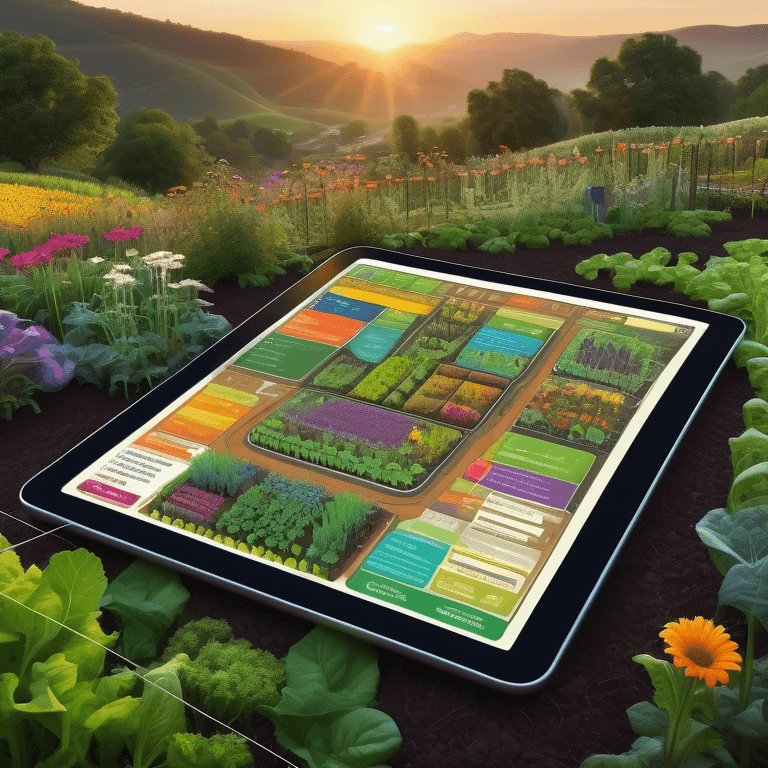

Permaculture Online Tools: Revolutionizing Sustainability
Introduction
Permaculture, a design system that aims to create sustainable and regenerative ecosystems, is gaining popularity as a solution to many of the environmental challenges we face today. From water shortages to climate shifts, permaculture provides a holistic approach to designing and managing land that promotes biodiversity, resilience, and abundance. As technology continues to advance, online tools have emerged as powerful resources for permaculture practitioners, revolutionizing the way sustainability is achieved.
In this blog, we will explore the world of permaculture online tools and their impact on sustainability. From designing landscapes to managing resources, these tools offer innovative solutions that make permaculture more accessible and efficient. We will delve into the design web, cultural emergence toolkit, and online permaculture tools that enhance the permaculture design process and empower individuals and communities to create sustainable environments.
Furthermore, we will discuss the role of Geographic Information System (GIS) tools and Computer-Aided Design (CAD) in permaculture, highlighting their ability to streamline the design process and improve data management. We will also examine the advantages of integrating technology with permaculture, such as increased efficiency and enhanced collaboration and communication among communities.
While online tools offer numerous benefits, we will also address potential challenges and provide solutions to overcome them. By the end of this blog, you will have a comprehensive understanding of how permaculture online tools are revolutionizing sustainability and transforming the way we interact with our environment.
Exploring the Design Web: A Gateway to Sustainable Living

The design web is a fundamental concept in permaculture that serves as a gateway to sustainable living. It encompasses the design process and cultural emergence, bringing together the principles and practices of permaculture to create regenerative and resilient environments.
In the design web, permaculture designers use a holistic approach to analyze and understand the relationships between elements in a landscape. They consider the needs and functions of each element, as well as their interactions with the natural and social environment. This understanding allows designers to make informed decisions that promote sustainability and enhance the overall resilience of the system.
Cultural emergence is another key aspect of the design web, focusing on the role of community and social connections in permaculture. It emphasizes the importance of collaboration, communication, and shared knowledge in creating sustainable and thriving communities. By engaging with the cultural emergence toolkit, permaculture practitioners can foster a sense of belonging and collective responsibility, leading to more successful and impactful sustainability initiatives.
Unveiling the Essence of the Design Web
To fully grasp the essence of the design web, it is essential to engage in a permaculture design course. These courses provide comprehensive education on permaculture principles, ethics, and design strategies, allowing individuals to develop a deep understanding of the design web and its applications.
With the advent of social media, permaculture practitioners now have a platform to connect, share ideas, and learn from one another. Social media groups and online communities dedicated to permaculture provide a wealth of knowledge and resources, fostering a sense of abundance and mutual support.
The design web encourages individuals to embrace diversity and observe the patterns and connections in nature. By harnessing these principles, permaculture practitioners can design landscapes that mimic natural ecosystems, promoting resilience, biodiversity, and sustainable living. The design web is a powerful tool that allows us to tap into the wisdom of nature and create a regenerative future.
The Cultural Emergence Toolkit: Enhancing Community Connections
The cultural emergence toolkit is an invaluable resource for permaculture practitioners, particularly permaculture teachers, in fostering community connections and promoting sustainable living. It provides a framework and set of practices that enable individuals and communities to come together, share knowledge, and work towards common goals.
Permaculture teachers play a crucial role in using the cultural emergence toolkit to facilitate community engagement and empowerment. Through workshops, courses, and hands-on activities, permaculture teachers inspire individuals to become active participants in the design and implementation of sustainable practices.
The mantra of the cultural emergence toolkit centers around collaboration, communication, and collective action. By fostering a sense of shared responsibility and encouraging community involvement, the toolkit strengthens community connections and empowers individuals to create positive change. With the cultural emergence toolkit, permaculture practitioners can build resilient communities that thrive on the principles of sustainability and regenerative design.
The Revolutionary Online Tools for Permaculture

In the ever-evolving world of permaculture, online tools have emerged as revolutionary resources that are transforming the design process and making permaculture more accessible to all. These tools encompass a wide range of applications, from mapping tools to online permaculture design courses, that empower individuals to create sustainable and regenerative landscapes.
Online permaculture design courses provide comprehensive education on permaculture principles, design strategies, and practical applications. These courses allow individuals to learn at their own pace and develop the knowledge and skills necessary to create environments.
Mapping tools, such as Google Earth Pro, offer powerful visualization capabilities that enable permaculture practitioners to map their landscapes, analyze topography, and plan their designs with precision. These tools provide valuable insights into the natural features and resources of a site, allowing for more informed decision-making and effective design implementation.
By embracing these online permaculture tools, practitioners can revolutionize their approach to sustainability and create thriving landscapes that promote biodiversity, abundance, and resilience.
Navigating Through Geographic Information System (GIS) Tools
Geographic Information System (GIS) tools have become invaluable assets in the field of permaculture, offering a range of functionalities that enhance the design and management of landscapes. One of the most popular GIS tools used by permaculture practitioners is Google Earth, which provides a wealth of data and visualization capabilities.
With Google Earth, permaculture practitioners can create contour maps of their landscapes, allowing them to analyze topography and understand how water flows across the site. Contour maps are essential for designing water management systems, such as swales and ponds, that maximize water efficiency and promote sustainable irrigation practices.
Additionally, GIS tools enable permaculture practitioners to overlay various data layers, such as soil types and climate zones, onto their maps. This information helps inform permaculture design decisions and ensures that the chosen plants and elements are well-suited to the site's conditions.
By navigating through GIS tools like Google Earth, permaculture practitioners can optimize their design process, create accurate site assessments, and effectively manage their landscapes for long-term sustainability.
The Role of Computer-Aided Design (CAD) in Permaculture
Computer-Aided Design (CAD) tools are revolutionizing the way permaculture designs are created and visualized. These tools provide precise measurements, accurate drawings, and 3D modeling capabilities that enhance the design process and promote effective implementation.
CAD software allows permaculture practitioners to create detailed design plans, from planting layouts to infrastructure design, with precision and accuracy. This level of precision ensures that elements are appropriately placed and sized for optimal functionality and aesthetic appeal.
Furthermore, CAD tools enable designers to visualize their plans in 3D, providing a realistic representation of the final design. This visualization helps stakeholders better understand the design concept and allows for more informed decision-making during the design process.
By utilizing CAD tools in permaculture design, practitioners can streamline the design process, improve communication with clients and stakeholders, and ensure the successful implementation of sustainable landscapes.
Advantages of Integrating Technology with Permaculture
Integrating technology with permaculture offers numerous advantages that enhance the efficiency and effectiveness of sustainability practices. Technology provides tools for data management, analysis, and communication, empowering permaculture practitioners to make informed decisions and collaborate effectively.
One of the key advantages of technology in permaculture is improved data management. With online tools and software, practitioners can organize and store data related to their designs, plantings, and observations, making it easier to track progress and monitor the health of their landscapes.
Furthermore, technology facilitates efficient data analysis, allowing practitioners to identify patterns, trends, and areas for improvement in their permaculture practices. By harnessing the power of technology, permaculture practitioners can optimize their data management processes and make data-driven decisions that promote sustainability.
Streamlining Design Processes for Sustainability
Technology plays a crucial role in streamlining design processes for sustainability in permaculture. By utilizing online permaculture design tools, practitioners can efficiently create and manage their design plans, saving time and enhancing productivity.
Online permaculture design tools provide templates, libraries, and drag-and-drop functionalities that simplify the design process and eliminate the need for manual calculations and drawings. These tools automate repetitive tasks and streamline workflows, making it easier for practitioners to focus on the creative aspects of their designs.
Moreover, technology enables practitioners to access their design plans and data from anywhere, facilitating remote work and collaboration. This flexibility allows permaculture practitioners to seamlessly integrate their daily work and design tasks, resulting in greater efficiency and effectiveness in managing their permaculture gardens.
Enhancing Collaboration and Communication Among Communities
Technology has revolutionized collaboration and communication among permaculture communities, enabling practitioners to connect, share ideas, and collaborate on sustainable initiatives.
Social media platforms have become powerful tools for permaculture practitioners to network, exchange knowledge, and showcase their projects. Online communities dedicated to permaculture provide a space for practitioners to collaborate, ask questions, and learn from one another, fostering a sense of shared vision and collective action.
Additionally, email and other digital communication channels have made it easier for permaculture practitioners to stay connected and coordinate their efforts. Whether it's organizing workshops, sharing resources, or seeking advice, technology has made communication more efficient and accessible.
By embracing technology, permaculture communities can strengthen their connections, amplify their impact, and create a global network of sustainability advocates working towards a common goal.
Potential Challenges and Solutions in Using Online Tools
While online tools offer numerous benefits, there are potential challenges that permaculture practitioners may face when utilizing these tools. It is important to address these challenges and provide solutions to ensure the successful adoption and use of online tools in permaculture practices.
Accessibility is a key challenge, as not all practitioners may have access to reliable internet connections or the necessary devices to utilize online tools. To overcome this, practitioners can explore offline alternatives or seek community resources that provide access to online tools.
Another challenge is the learning curve associated with using new software or online platforms. Providing comprehensive tutorials, video guides, and support resources can help practitioners navigate the learning process and gain confidence in using online tools.
By addressing these challenges and providing solutions, permaculture practitioners can unlock the full potential of online tools and harness their power in creating sustainable landscapes.
Addressing the Learning Curve for New Users
For new users, the learning curve associated with using online tools can be a significant challenge. To address this, online tools often provide comprehensive tutorials, step-by-step guides, and video demonstrations to help beginners navigate the platform and understand its functionalities.
Permaculture practitioners can also leverage offline alternatives, such as PDF guides or downloadable resources, to support new users in their learning journey. These resources enable practitioners to access information and learn at their own pace, without the need for continuous internet connectivity.
Furthermore, the development of user-friendly apps specifically designed for permaculture practitioners can simplify the learning process and make online tools more accessible. These apps often provide intuitive interfaces, interactive features, and on-demand support, ensuring a smoother transition for beginners.
By addressing the learning curve and providing user-friendly resources, online tools can empower new users to embrace technology and utilize its full potential in their permaculture practices.
Overcoming Accessibility and Connectivity Issues
Accessibility and connectivity issues pose significant challenges for permaculture practitioners who rely on online tools. To overcome these challenges, practitioners can explore alternative methods and strategies that do not require continuous internet access.
For example, offline versions and downloadable resources can enable practitioners to access and utilize online tools even without a stable internet connection. These resources can be saved locally on devices or accessed through offline-capable applications.
Additionally, permaculture practitioners can consider utilizing browser-based applications that require minimal internet connectivity. These applications often have lighter data requirements and can function even in low-bandwidth environments.
By prioritizing offline capabilities and utilizing browser-based applications, practitioners can ensure continuous access to online tools and overcome connectivity challenges, allowing them to harness the power of technology in their permaculture practices.
Exploring Similar Digital Solutions in Sustainability
Permaculture is not the only discipline benefiting from digital solutions in sustainability. In farming, for example, there are numerous digital tools and technologies that are transforming agricultural practices and promoting sustainability.
Digital solutions in farming range from precision agriculture tools, such as sensors and drones, to farm management software that streamlines operations and optimizes resource use. These tools enable farmers to monitor and manage their crops more efficiently, reduce waste, and minimize environmental impact.
By exploring and adopting these digital solutions, permaculture practitioners can gain insights from other fields and integrate cutting-edge technologies into their own practices, further enhancing sustainability and regenerative practices.
Comparative Analysis of Traditional vs. Technological Approaches
Traditional farming methods often rely on manual labor, limited resources, and outdated practices. These methods can be time-consuming, inefficient, and ineffective in addressing sustainability challenges. On the other hand, technological approaches, such as online permaculture tools, offer innovative solutions to design and manage land more efficiently. By using tools like Google Earth Pro and Adaptive Habitat Land Design, permaculture practitioners can generate accurate contour maps, organize data, and follow a systematic design process. This saves time, reduces errors, and maximizes the potential of land use. The table below compares the key features of traditional farming and technological approaches in permaculture design.
Traditional Farming Technological Approaches Relies on manual labor Provides efficient and effective solutions Limited resources Access to a wide range of tools and information Outdated practices Utilizes innovative technology for better outcomes Time-consuming Saves time through automation and data management Inefficient and ineffective Offers improved design processes and increased productivity
Spotlight on Emerging Competitors and Their Offerings
The market for permaculture online tools is growing rapidly, with emerging competitors offering a range of innovative solutions. Some of the key competitors in this space include FarmOS, a web-based application that allows users to map their farms and manage events, and IndieHosters, a hosting service that provides easy access to open-source permaculture tools. These competitors are providing unique offerings that cater to the needs of permaculture practitioners, from small-scale kitchen gardens to large-scale farms. The availability of these tools is expanding the possibilities for permaculture design and enabling more people to get involved in sustainable land management. As the market continues to evolve, it is expected that new competitors and offerings will emerge, further driving the growth and development of permaculture online tools.
Final Verdict: The Impact of Online Tools on Permaculture Design
The impact of online tools on permaculture design cannot be underestimated. These tools have revolutionized the way we approach sustainability by providing efficient and effective solutions for land management. From generating contour maps to organizing data and following a step-by-step design process, online tools have made permaculture design more accessible and affordable. They have enabled beginners to start using permaculture design apps and user-friendly tools, while also allowing experienced practitioners to enhance their design processes. Overall, online tools have played a significant role in promoting sustainable land management practices and contributing to global sustainability goals.
Evaluating the Effectiveness and Efficiency
One of the key factors in evaluating the effectiveness and efficiency of permaculture online tools is their ability to accurately assess and manage water levels. Water is a critical element in permaculture design, and the proper management of water resources is essential for sustainable land management. Online tools such as Google Earth Pro and Adaptive Habitat Land Design provide the necessary tools and data to evaluate the water levels on a property and design systems that optimize water use. By accurately determining water levels, permaculture practitioners can design systems that are more effective in utilizing water resources, leading to increased efficiency and improved overall sustainability of the land.
Future Prospects: Where Technology Meets Ecology
The future prospects of permaculture online tools are exciting, as technology continues to advance and new innovations emerge. With the increasing availability and accessibility of online tools, more people will be able to engage in permaculture design and contribute to ecological restoration efforts. The integration of technology and ecology will lead to the development of more efficient and effective tools for sustainable land management. From automated data collection to artificial intelligence-based design recommendations, the possibilities are endless. As technology continues to evolve, it will play an increasingly important role in shaping the future of permaculture design and its impact on global sustainability goals.
Conclusion
In the realm of sustainability, permaculture online tools are paving the way for a greener future. By merging technology with ecological design principles, these tools empower communities to create lasting change. From GIS tools to CAD software, the advantages are clear: streamlined processes, enhanced collaboration, and improved communication. However, challenges like user learning curves and connectivity issues persist. Despite this, the potential for positive impact on permaculture design and global sustainability goals is immense. Embracing these digital solutions can revolutionize how we approach environmental stewardship and build a more resilient world for generations to come.
Frequently Asked Questions
How Can Beginners Start Using Permaculture Design Apps?
Beginners can start using permaculture design apps by downloading them from app stores or websites. These apps usually have user-friendly interfaces that make it easy for beginners to navigate and explore permaculture design principles. It's a great way to start learning and applying permaculture concepts in a do-it-yourself manner.
What Are the Most User-Friendly Tools for Those New to Permaculture?
There are several user-friendly tools available for those new to permaculture. Apps like FarmOS and IndieHosters provide easy access to open-source permaculture tools, while Google Earth Pro and Adaptive Habitat Land Design offer intuitive interfaces for designing and managing land. These tools are designed to be user-friendly and accessible for beginners, making them a great starting point for anyone interested in permaculture.
Can These Tools Really Make a Difference in Small-Scale Projects?
Absolutely! These tools can make a significant difference in small-scale projects. By providing access to accurate data, design recommendations, and efficient management systems, permaculture online tools empower gardeners to optimize their land use and minimize waste. From weeding to water management, these tools can enhance the productivity and sustainability of small-scale projects.
How Do Online Permaculture Tools Contribute to Global Sustainability Goals?
Online permaculture tools contribute to global sustainability goals by promoting the use of medicinal plants, composting, and ecological restoration. These tools provide the necessary resources and information to design and manage land in a sustainable and environmentally-friendly way, helping to address climate change and promote biodiversity.