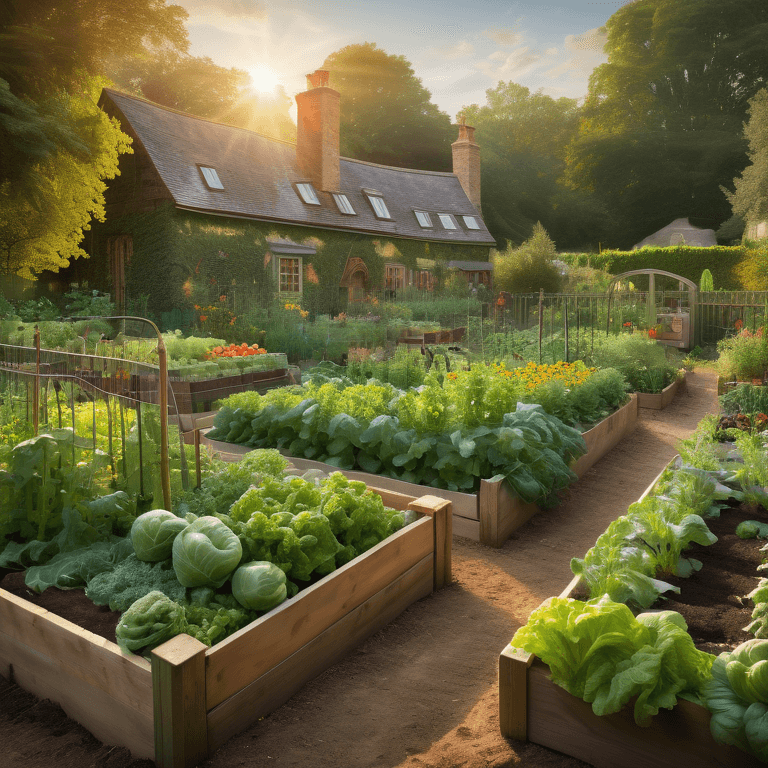

Discover the Best Potager Garden Designs for Your Home
Introduction
Embark on a journey into the enchanting world of potager garden designs. These gardens, stemming from the French term for kitchen garden, blend beauty and functionality seamlessly. By harmonizing vegetable plants with ornamental flora, potager gardens create a striking focal point for any home. The artistry lies in crafting symmetrical designs with pathways, garden beds, and trellises, accentuated by herbs like basil and thyme. Let's delve deeper to uncover the allure and practicality of potager gardens.
Unveiling the Charm of Potager Gardens

Potager gardens exude a magnetic allure with their blend of artistry and functionality. These gardens, originating from France, seamlessly intertwine edibles and ornamentals, creating a visual delight. The symmetrical designs, precise placements of fruit trees, and vibrant garden beds make potagers a captivating focal point. By incorporating companion planting and attracting beneficial insects, potager gardens not only charm the eyes but also support a thriving ecosystem. The meticulous planning, use of good soil, and selection of diverse vegetable plants contribute to the enchanting appeal of potager garden designs.
The Aesthetic and Functional Merge
In potager garden designs, the aesthetic and functional elements seamlessly merge to create visually stunning and productive spaces. These gardens not only focus on beauty but also on practicality, combining vegetable plants with ornamental flowers to enhance the overall appeal. By strategically integrating focal points like garden beds and pathways, potager gardens achieve both visual harmony and efficient use of space. This unique blend of beauty and functionality is what sets potager gardens apart in the world of garden design.
Key Characteristics of Iconic Potager Designs
Symmetry reigns supreme in iconic potager designs, with orderly arrangements creating visual harmony. These gardens feature a blend of vegetables, herbs, and flowers, combining practicality and elegance. The layout typically includes raised garden beds for easy access and organization, surrounded by strategic pathways that allow for efficient maintenance. Incorporating elements like trellises, hedges, and focal points such as obelisks or sundials adds vertical interest and structure to the design. Iconic potager gardens often showcase a diverse array of colorful plants, ensuring both aesthetic appeal and functionality.
Crafting Your Own Potager Garden

Select a prime location for your potager garden, ideally near your kitchen for convenience. Intertwine vegetable plants with ornamental flowers to create a visually appealing and functional space. Consider companion planting to naturally deter pests and attract beneficial insects. Incorporate raised garden beds for structure and easy maintenance. Design intricate pathways for accessibility and add trellises for vertical interest. Embrace symmetrical or diagonal layouts for a classic touch while planting a variety of herbs, fruits, and vegetables for a bountiful harvest. Choose plants that thrive in your climate for a flourishing potager garden.
Selecting the Perfect Location
When choosing the ideal spot for your potager garden, consider sunlight exposure and proximity to your home for easy access. Opt for a level area with well-drained soil to promote healthy plant growth. Position the garden close to a water source for convenient irrigation. Additionally, think about the visual impact of the location -- a place that can serve as a charming focal point in your outdoor space. By strategically selecting the perfect location, you set the stage for a flourishing and visually appealing potager garden.
Designing with Diversity: Plants and Structures
When crafting a potager garden, diversity in plants and structures is essential. Incorporating a variety of vegetable plants like lettuce, parsley, and basil alongside ornamental plants such as roses and marigolds adds visual interest and functionality. Integrate structures like trellises for climbing plants, pathways lined with herbs like thyme and rosemary, and hedges for privacy and aesthetics. Utilize symmetrical designs with zigzags or diagonals to create an organized yet visually appealing layout that harmoniously blends edibles and flowers. Balance is key in achieving a thriving and beautiful potager garden.
Essential Elements of Potager Garden Design
Raised beds serve as the foundational structure in potager garden design, allowing for organized planting and easy access. Well-planned pathways not only guide movement but also add to the visual appeal, creating a harmonious layout. Utilizing a mix of edible plants, flowers, and herbs enhances both the aesthetic and functional aspects of the garden. Incorporating features like trellises, hedges, and ornamental structures further elevate the design, providing vertical interest and defining different zones within the garden. Symmetry and balance are key principles in creating a visually appealing potager garden layout.
Raised Beds: The Foundation of Structure
Raised beds are the cornerstone of potager garden designs, offering both aesthetic appeal and practical benefits. Elevating the soil, they aid in drainage and create defined spaces for different crops. By implementing raised beds, you can easily separate varieties of vegetable plants, ensuring efficient growth and maintenance. These structures not only provide visual symmetry but also facilitate easier access for planting, watering, and harvesting. Incorporating raised beds in your garden layout adds a sense of organization and neatness, essential for a well-designed potager space.
Navigating with Paths: Planning Your Walkways
To create an efficient potager garden, strategic path planning is essential. Pathways serve not only as functional walkways but also as design elements that enhance the overall aesthetic appeal of your garden. Utilize symmetrical designs or create interest with diagonals and zigzags. Consider incorporating different materials like gravel or stone to delineate paths. Ensure your pathways are wide enough for easy access and maintenance. Thoughtfully planned walkways not only provide access to your garden beds but also contribute to the visual harmony of your potager design.
Maximizing Beauty and Bounty
The beauty of potager garden designs lies in their ability to merge aesthetic appeal with bountiful harvests. Fences and borders not only add charm but also demarcate planting zones efficiently. Opt for plants that enhance visual allure while offering culinary benefits. By strategically placing fruit trees, ornamental plants, and vegetables, you create a harmonious ensemble. Utilize companion planting techniques to optimize space and attract beneficial insects. Integrate hedges, trellises, and pathways to accentuate symmetry and functionality within your potager garden.
The Role of Fences and Borders in Potager Gardens
The role of fences and borders in potager gardens goes beyond mere demarcation. They create structure, enhance aesthetics, and provide a framework for vertical gardening. Fences can support climbing plants like cucumbers and peas, while borders offer opportunities for showcasing colorful flowers like marigolds or attracting beneficial insects with alyssum. By incorporating hedges or trellises, you not only define spaces but also add vertical elements for visual interest. These features not only beautify the garden but also contribute to a harmonious ecosystem that supports plant growth and pollination.
Choosing Plants for Aesthetics and Utility
When selecting plants for your potager garden, consider a blend of aesthetics and utility. Choose colorful flowers like marigolds and alyssum to add visual appeal, while also planting vegetables such as kale, lettuce, and cucumbers for a bountiful harvest. Incorporate herbs like basil and rosemary for both their beauty and culinary benefits. Mixing in pollinator-friendly plants like thyme and berries not only enhances the beauty of your garden but also attracts beneficial insects for natural pest control. Strike a balance between visual charm and practicality in your plant selections.
The Product of Nature: Enhancing Your Potager Experience
Delve into the essence of a potager garden to enhance your gardening venture. Embrace the synergy of flora and functionality, where design meets nature seamlessly. A potager garden thrives on the principle of marrying aesthetics with utility, blending vegetable plants with ornamental species to create an exquisite tapestry. By incorporating symmetrical designs, companion planting techniques, and attracting beneficial insects, you elevate your potager experience. Let your garden flourish with a medley of edibles, pollinators, and scenic beauty, providing not just sustenance but a visual feast.
Pros: Why Potager Gardens Elevate Home Gardening
Potager gardens offer several advantages that elevate home gardening. One of the key benefits is that they provide a kitchen garden right outside your door, allowing you to easily access fresh vegetables and herbs for your meals. Additionally, potager gardens promote biodiversity by incorporating a mix of plants, attracting beneficial insects and pollinators. These insects help with the natural balance of pests, reducing the need for chemical pesticides. The combination of ornamental plants and vegetables also adds beauty to the garden throughout the year, making it an aesthetically pleasing addition to any home. With a potager garden, you can enjoy the benefits of homegrown produce while creating a vibrant and diverse ecosystem in your backyard.
Cons: Considerations Before Starting Your Potager Project
While potager gardens have numerous benefits, there are a few considerations to keep in mind before starting your own project. One potential challenge is dealing with pests. With a mix of ornamental plants and vegetables, pests that target specific crops may be attracted to your garden. Regular monitoring and implementing pest control measures, such as companion planting and organic pest repellents, can help mitigate this challenge. Another consideration is the maintenance required for a potager garden. With a diverse range of plants, each with different needs, regular care and upkeep are essential. Finally, there may be initial setup costs associated with creating a potager garden, such as building raised beds, installing trellises, and purchasing plants and materials. However, with proper planning and maintenance, the rewards of a beautiful and bountiful potager garden make these considerations worthwhile.
Exploring Alternatives: Similar Garden Concepts
While potager gardens offer a unique combination of ornamental and edible plants, there are other garden concepts that share similar design principles. One such concept is the English garden, which focuses on creating a natural and picturesque landscape with a mix of flowers, shrubs, and herbs. Another alternative is the cottage garden, known for its informal and romantic style, often featuring a mix of perennials, vegetables, and herbs. Both of these garden styles emphasize the integration of beautiful plants with the functionality of a vegetable garden, much like the potager garden.
Comparing Potager Gardens to Other Garden Styles
Although potager gardens, English gardens, and cottage gardens share similarities in their focus on aesthetics and functionality, there are distinct differences between them. Potager gardens are specifically designed to combine ornamental and edible plants, with a structured layout and careful selection of plants for both beauty and productivity. English gardens, on the other hand, aim to create a natural and relaxed atmosphere, often featuring sprawling lawns, meandering paths, and a mix of flowering plants. Cottage gardens have a more informal and charming feel, with a variety of colorful flowers, climbers, and traditional cottage-style plants. While all three garden styles prioritize beauty and functionality, their unique characteristics make them suitable for different preferences and gardening goals.
Incorporating Elements from Other Designs
When designing a potager garden, you can incorporate elements from other garden styles to enhance its beauty and functionality. For example, consider adding a focal point, such as an obelisk, birdbath, or fruit tree, to create a central feature in the garden. This will help draw the eye and add visual interest. Additionally, you can include ornamental plants commonly found in English or cottage gardens to add color and texture to your potager. By blending different design elements, you can create a unique and personalized potager garden that showcases your taste and style while still maintaining the functionality and productivity of a traditional kitchen garden.
Concluding Thoughts: Is a Potager Garden Right for You?
Whether a potager garden is right for you depends on your gardening goals, lifestyle, and personal taste. If you enjoy growing your own food and appreciate the beauty of ornamental plants, a potager garden offers the best of both worlds. It allows you to have a functional kitchen garden while creating a visually appealing space that adds charm and character to your home. However, if you prefer a more traditional vegetable garden or have limited space, a potager garden may not be the right choice. Consider your available space, the amount of time you can dedicate to maintenance, and your personal preferences for plant selection and garden style. Ultimately, a potager garden is a unique and versatile option that can transform your backyard into a vibrant and productive oasis.
Final Verdict: Weighing the Pros and Cons
When considering a potager garden, it's important to weigh the pros and cons to make an informed decision. The pros of a potager garden include the convenience of having fresh produce at your fingertips, promoting biodiversity, and adding beauty to your outdoor space. However, there are also considerations such as dealing with pests, regular maintenance, and initial setup costs. It's essential to assess your willingness to invest time and effort into maintaining the garden and the potential yield of the crops you plan to grow. By carefully considering these factors, you can determine if a potager garden is the right choice for you and your gardening preferences.
Conclusion
In conclusion, potager gardens offer a delightful fusion of beauty and functionality, transforming your outdoor space into a harmonious sanctuary. By embracing diverse plant selections and structural elements, you can craft a picturesque haven that enhances both aesthetics and utility. While the charm of potager gardens elevates home gardening, it's essential to consider factors like space limitations and plant choices. Whether you're captivated by the idea of a bountiful retreat or seeking to blend nature's bounty seamlessly into your surroundings, exploring potager garden designs might just be the fresh perspective your home needs.
Frequently Asked Questions
How to Start a Potager Garden with Limited Space?
When starting a potager garden in limited space, consider vertical gardening techniques such as trellises and vertical planters. Container gardening is also a great option for small spaces. Focus on growing herbs and compact vegetables like lettuce that can thrive in containers or limited space.
What Are the Best Plants for a Beginner's Potager Garden?
For beginners, start with easy-to-grow plants like parsley, basil, kale, strawberries, and marigolds. These plants are resilient and provide a good mix of ornamental and edible elements for a beginner's potager garden.
How to Maintain a Potager Garden Through the Seasons?
Maintain a potager garden by practicing seasonal care, including watering, mulching, and pruning. Implement crop rotation to prevent diseases and pests. Companion planting can also help with pest control and overall garden health.
Can Potager Gardens Be Wildlife-Friendly?
Yes, potager gardens can be wildlife-friendly. By incorporating a mix of plants that attract beneficial insects and pollinators, such as nectar-rich flowers, you can create a habitat that supports a diverse range of wildlife. Hedges can also provide shelter for birds and other animals.