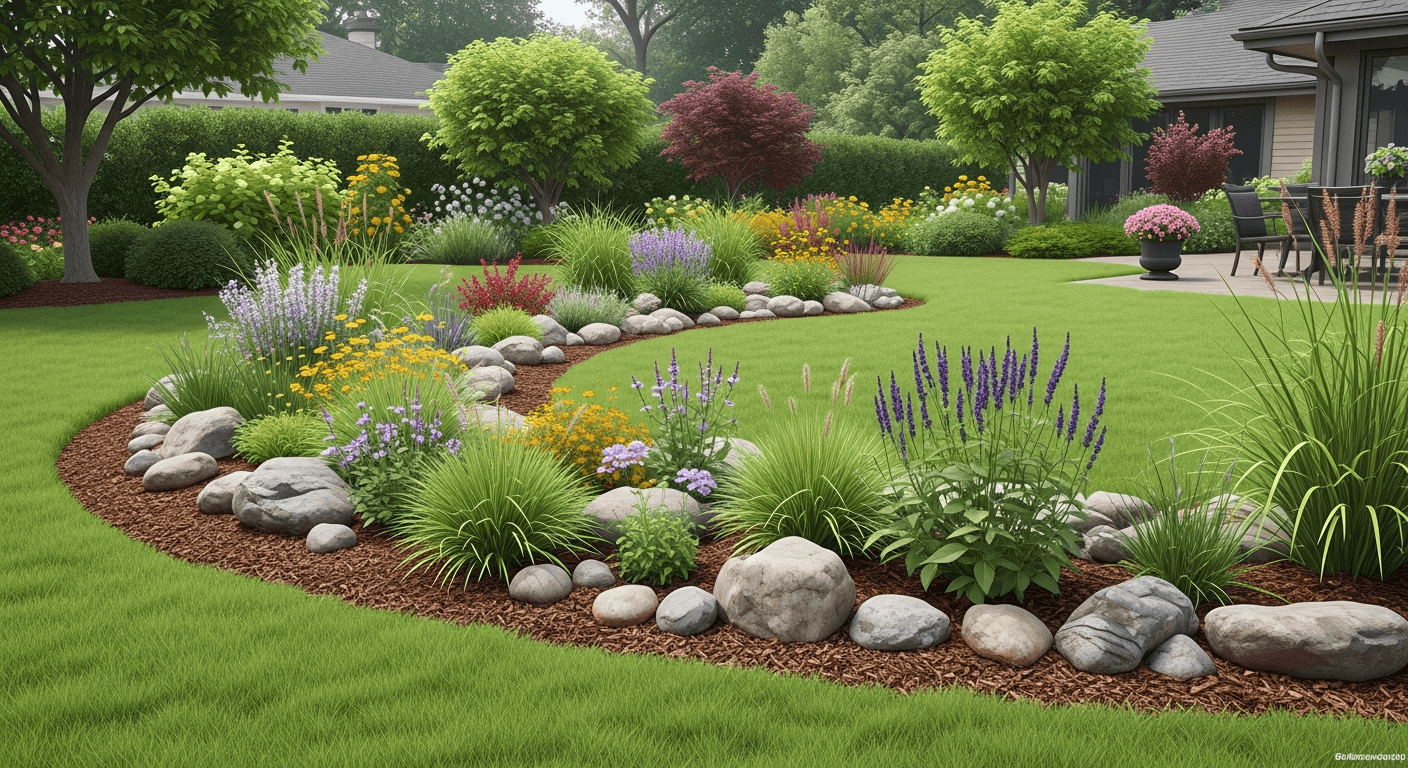

Residential Drainage Swale Design: A Sustainable Approach
Introduction
Are you searching for a better way to deal with rainwater in your yard? Many traditional drainage systems can work well, but they often move water away too fast. A residential drainage swale can help your stormwater management in a more sustainable way. A swale is a shallow, planted channel that catches and slows down runoff. By using a swale, you help slow the water down, make water quality better, and stop erosion.
This guide will show you what you need to know to design and build a drainage swale. You will learn how it can work well and also look great in your yard. A swale can improve the way your yard handles water and make your home more about sustainability.
Understanding Residential Drainage Swales

A residential drainage swale is not just a ditch in your yard. It is made to help with the flow of water from rainfall and from irrigation. A swale does more than let water rush out. The water gets slowed down. This gives it time to go into the ground.
This process is good for your property and for the environment. When water moves through the soil and the vegetation, it helps take out pollutants. This makes the water quality better. A drainage swale is an important part of keeping water clean and is a key idea in sustainable home design. Let's find out what a swale is and why you need it in your yard.
What is a Drainage Swale and How Does it Work?
A drainage swale is a wide and shallow trench made to guide the flow of water and control runoff. A swale is not the same as a regular ditch because its sides slope gently. You will often see a swale covered with vegetation or lined with rocks. The main job of a swale is to slow down stormwater. It lets the water spread out and go into the ground over time. This helps fill up the local water table and cuts down the volume of water that ends up in the storm drains.
The design of the swale is important for how it works. In most residential backyards, the right swale will have a slope between 1% and 6%. A 2% slope is a good choice. This helps water flow slowly but does not cause erosion. A swale should look like a wide trapezoid. The bottom of the swale should be flat. The sides should not be steeper than 3:1. This means for every one foot up, there should be three feet out.
This shape helps water move the same way across the channel. A swale slows the water down. Because of this, sediment and pollutants can drop to the bottom. It will clean the runoff before the water gets to local streams or rivers.
Importance of Swale Landscape Design in Sustainable Homes
Adding a swale to your landscape design is a good way to help with sustainability. In towns and cities, hard surfaces like roofs and driveways make more stormwater runoff. This extra water can carry things that pollute our water. A swale helps by giving a natural way to handle this excess water on your land.
By letting water soak into the ground, a swale can take some pressure off city stormwater drains. A swale does not just move water away. It helps hold rainwater where it falls. This means less flooding and less pollution.
The vegetation that grows in a swale is useful too. Plants catch and hold sediment and other contaminants. This keeps those things out of our water, so everyone can have better water quality. A swale with good plants can do a lot to help manage stormwater and protect the water we use every day.
In the end, a good swale can turn what could be a drainage problem into something helpful for the environment. It can help the local area be healthier and can let groundwater go back into the ground. A swale also looks nice and can work well in your yard. It is a key part of starting new ideas for a more green home.
Site Assessment and Planning for Swale Installation

Before you start to dig, it is important to take a good look at your yard. A careful site check helps the swale work as it should. You have to know the way the land is shaped, what soil type you have, and how water moves in your yard right now. This will help you pick the right place and way to build your swale.
Careful planning lets you manage water flow better and stop problems like puddles or erosion. When you look closely at your property, you can build a swale that fits well in your yard. A good swale will also give you the most benefits for your space. Now, let's see how to look at your yard and pick the best spot for your swale.
Evaluating Yard Slope, Soil, and Drainage Patterns
The first thing to do when you want to plan a swale is to look at your land in detail. You need to know your yard's slope, the soil type, and the drainage pattern. This will help you make the right plan. A good swale should have a slope between 1% and 6%. If the slope is higher than that, water will move fast and may cause erosion. If the slope is too flat, water will not drain well.
Your soil type really matters when you build a swale. Swales do best in soil that lets water soak into the ground, which is called infiltration. You can do a simple percolation test to see how fast your soil drains. If there is not good drainage, you might need to add compost. Another thing you can do is put in an underdrain to help water move. You also need to think about how far the bottom of the swale is from the water table. There should be at least four feet between the bottom of the swale and the groundwater level.
See where the water goes and builds up when it rains. This will help you learn about the drainage in your yard. Look at these things:
-
Drainage Area: Find out how much land will drain into the swale.
-
Topography: Check for low spots and paths where the water goes now.
-
Existing Structures: See how runoff moves from roofs, driveways, and patios.
Guidelines for Placing Swales on Residential Properties
After you finish checking your site, you can pick the right spot for your swale. It's best to put the swale along the contour of your land. This helps it catch and slow down sheet flow from the catchment area. A swale should be placed across the way water flow moves. This way, it can take in more runoff.
There are some rules to keep in mind for homes. Swales need to be in spots where they can handle runoff well and not make problems for you or the people next to you. Do not put a swale right next to your house's foundation. Before you dig, remember to check for any underground pipes or wires. If your property has a curb, you can use small curb cuts to let water from the street flow into the swale.
A swale can be made to handle drainage for areas as big as five acres. But on most home lots, it usually covers a smaller space measured in square feet. The swale should be long and straight. Try to connect it to other things in the yard. This will help make a better drainage system.
Key Elements of Effective Landscape Swale Design
A good swale design is not just about making a trench. You need to think about a few important things to help manage water flow and boost infiltration. The size, slope, and the things you use in your swale all join together to build a system that works well and looks nice.
It does not matter if you work with a landscape designer or you want to do it yourself, you have to know these parts well. Every detail matters, from the base of the swale to the plants you pick. The next parts will talk about the best rules to follow, how you can add a swale to your yard, and the main mistakes you need to avoid.
Ideal Slope, Dimensions, and Grading Considerations
The way your drainage swale works depends a lot on how it is shaped. A shallow slope is very important because it slows the water down. This helps stop erosion and gives time for sediment to settle. The best slope from end to end is between 1% and 6%. If the slope of your yard is more than 5%, you need to put in check dams. These will make small pools in your drainage swale and help slow the water even more.
The size and shape of the swale should fit your land. A swale with a flat bottom and a shape like a wedge helps send water out more evenly. The sides should not be too steep. A good side slope is 3:1, which means three feet wide for each foot high. This way, it's easier to mow and safer for people. The width of the swale at the bottom is usually between 5 and 11 feet, but it can be less wide if you have a small area. The swale should not be very deep. A shallow swale is safer and works well.
Here are some general design parameters:
Design Element Recommended Specification Longitudinal Slope 1% to 6% (2% is preferred) Side Slopes Maximum 3:1 (horizontal:vertical) Bottom Width 5 to 11 feet (can be narrower) Flow Depth Maximum 2/3 of grass height
Integrating Swales with Existing Landscaping Features
A drainage swale can be part of your landscaping. It does not have to stand out as its own thing. A swale can look like a dry creek bed or a rain garden. You can put river rock in the swale to make it look nice. You may also plant native vegetation there. This will help it fit in with the rest of your garden. A swale adds both good drainage and beauty to your yard.
Think about how the swale works with other spaces in your yard. A swale can be set up to catch runoff coming from your patio or downspout. This helps move water away from your home's foundation. You can add small bridges or use stepping stones across the swale to keep paths easy to walk on. A boardwalk is also a good way to make sure there is a walkable surface over an infiltration zone. This helps with both accessibility and getting the most out of your yard.
Using a swale along with other stormwater solutions can make it work better. For instance, a swale can slow down water before it goes to a rain garden. This helps the sediment settle on the ground first. If your soil does not take in water well, you can put a perforated underdrain under the swale. This underdrain will help get rid of excess water.
Common Mistakes to Avoid in Swale Construction
Building a swale can be simple. But sometimes, some mistakes can make it less useful. One big mistake is not grading it right. If the ground is too steep, water can flow fast. This causes erosion inside the swale. If the slope is too flat, water might sit still. This means the drainage will not work well.
Another common problem that people run into is not making sure the swale is steady enough while work is going on and after it is built. When you have bare soil, there is a high chance for erosion to happen with the first rainfall. For this reason, it is good to put in vegetation or spread an erosion control blanket right away. This will guard the channel until the plants grow strong roots. By doing this, you help stop the swale from getting washed out and sending sediment to other areas.
If you put a swale in the wrong place, it will not work well. If you do not direct the runoff into it, the swale will not catch the stormwater like it should. So make sure you do not make these mistakes.
-
Incorrect Slope: A swale will not work well if it is made too steep or too flat.
-
Lack of Stabilization: If you leave the soil open, it can lead to erosion and settling.
-
Poor Placement: A swale will not catch runoff the right way if you put it in the wrong place.
Construction Methods for Residential Drainage Swales
After you finish your design, you can begin building. There are different ways to build a residential swale for drainage, and each has its own good points. A swale that is lined with rocks will be very strong and durable. This is a good choice if you have water that can move fast in some spots. A grassed swale will mix well with your yard and look nice.
The construction steps for a swale include digging, leveling the ground, and then putting down the materials you picked. A good install is very important to make sure your swale works well for many years. With a solid setup, you can keep control of runoff around your land. Next, let's talk about how to build a common type of swale and look at other materials you can use.
Step-by-Step Guide for Installing a Rock-Lined Swale
Putting in a rock-lined swale, also known as a dry creek bed, is a good do-it-yourself job for your yard. A swale like this uses river rock or other stones. These rocks help protect the channel from erosion and let water soak into the ground for better infiltration. It will make your yard look nice and work well, too.
First, you will need to dig out the swale. Mark where you want your swale to be with flags or landscape paint. Then, start to dig the trench to the width and depth you want. Make sure the sides do not go down steep. Once the swale has its shape, gently grade the base of the swale. The base should have a shallow slope that is even all the way across.
With the channel set up the right way, you can start to add the rock. First, lay down the landscape fabric. This will help stop weeds from growing and keep the rock from going down into the soil. Next, fill the swale with the stone you picked. Here are the important steps:
-
Mark the spot and size for the swale.
-
Dig out the ditch to the depth and shape you want.
-
Make the bottom even, with a gentle slope all the way.
-
Put down landscape fabric inside the swale.
-
Fill the swale's channel with river rock or other nice stones.
Material Options: Rock, Turf, and Mulch for Swale Beds
You can choose from several materials to finish your swale. What you pick will change how your swale looks, how much work goes into it over time, and how well it works. Many people use rock because it is strong and looks good. A swale lined with rock can move more water without the sides breaking down. It does not need a lot of care once you have put it in. This kind of swale also helps with good infiltration as water can still soak into the ground under the rocks.
Turf or grass is a common choice for a swale, especially if you want it to look like part of your lawn. A grassed swale is good at filtering pollutants and making water move slower. It does need you to mow it often. This type works best in places where the ground slopes a bit and water does not move too fast. To make your swale work better with infiltration, you can mix compost into the soil under the grass.
Mulch is a good choice for vegetated swales with shrubs and perennials, just like in a rain garden. A layer of mulch helps keep the soil wet, cuts down on weeds, and puts organic stuff back in the dirt as it breaks down. It can also help filter out sediment and pollutants from runoff.
Enhancing Stormwater Management with Swales
Drainage swales play an important role in stormwater management at home. These swales work like nature does. They do more than move runoff from your yard. Swales slow down the water, giving it time to soak into the earth. This helps put more water back into the groundwater. At the same time, it takes some of the load off your town's stormwater system.
These features can work with other things like infiltration basins. Together, they help make a full water management plan for your place. When you use a swale design, you really help your house deal with rainfall in a way that is good for the earth. Swales help with water retention. Here's how they do that and how they compare to other drainage solutions.
Using Swale Design to Improve Stormwater Retention
One big benefit of a swale is that it helps with stormwater retention. In most yards, rainwater moves fast off hard surfaces and goes right into drains. A swale stops this. It catches the runoff and holds it for a while. This extra time helps the water go down into the ground. A swale can be great for dealing with drainage and stormwater.
The way water moves down into the soil is called infiltration. This step helps keep more water in the ground. A swale has a wide, flat bottom. The bottom of the swale gives more space for water to go down into the dirt. If you mix compost or other natural things into the bottom of the swale, it can soak up even more water. This is a good way to help with the infiltration of water.
For more stormwater retention, you can add check dams to your swale. These are small barriers. They are built from rock or packed earth. They form small pools along the swale. This slows the water down, which helps with infiltration. It also cuts back on runoff that goes off your land.
Comparing Drainage Swales with French Drains in Home Landscaping
When you have drainage problems at home, you might think about using a swale or a French drain to handle excess water. A swale is different from a French drain in the way they work. A French drain sits underground. It has a pipe with small holes and is covered by gravel. This design helps the system collect groundwater and move it away from your space. Many homeowners use these drains to keep water from building up in their yard.
A drainage swale is not hidden. It can be seen right on the ground. A swale is a wide and shallow path made to deal with surface water and sheet flow. A swale does more than just move water away. It helps slow the water down, filter it, and lets it sink into the ground. You can see this in your yard and even plant things there. A swale can look good and fit well with the rest of your yard. It is useful for drainage and works with the land to support infiltration.
Here's a quick comparison:
-
Visibility: A swale is easy to see since it sits above the ground. A French drain stays hidden under the ground.
-
Function: Swales handle water on top of the ground by moving and soaking up runoff. A French drain moves water that is already in the ground, or groundwater.
-
Water Quality: Swales help water quality because they filter out pollutants. A French drain does not really do this.
-
Installation: A swale is usually simpler to put in yourself. A French drain takes more work and time to install.
Conclusion
To sum up, when you design a residential drainage swale, you are doing more than handling stormwater. You are making a garden or yard that is better for your home and the environment. When you know the basics of swale design and understand your site, you can manage water well. The right steps will help you do this, and will also support the health of all things around you. A good swale will not just fix drainage, it can also make your property look better. If you want to move forward with your landscaping plans, think about getting advice to see how a swale can help your home.
Frequently Asked Questions
What Are the Best Plants for a Vegetated Residential Swale?
The best plants to use are native ones. These can live in both wet and dry places. You can picture this area as a straight rain garden. Grasses, rushes, and wildflowers are good choices. Their deep roots help keep the soil in place and help with water quality. If you also add mulch or compost, the vegetation will grow better.
Is a Swale Suitable for Small Residential Lots?
Yes, you can use a swale on small lots. A small swale with a narrow base of the swale can fit into garden beds or along the lines of your property. Even if you have only a few square feet, a small swale will help with drainage. It also makes the place better for sustainability.
How Can I Make My Drainage Swale Both Functional and Visually Appealing?
To help your swale look better, use river rock to give it a dry creek bed feel. Plant a mix of bright and water-loving vegetation there. You can add a small bridge for more accessibility. You may also connect the swale with your patio. This can make it the central part of your yard.