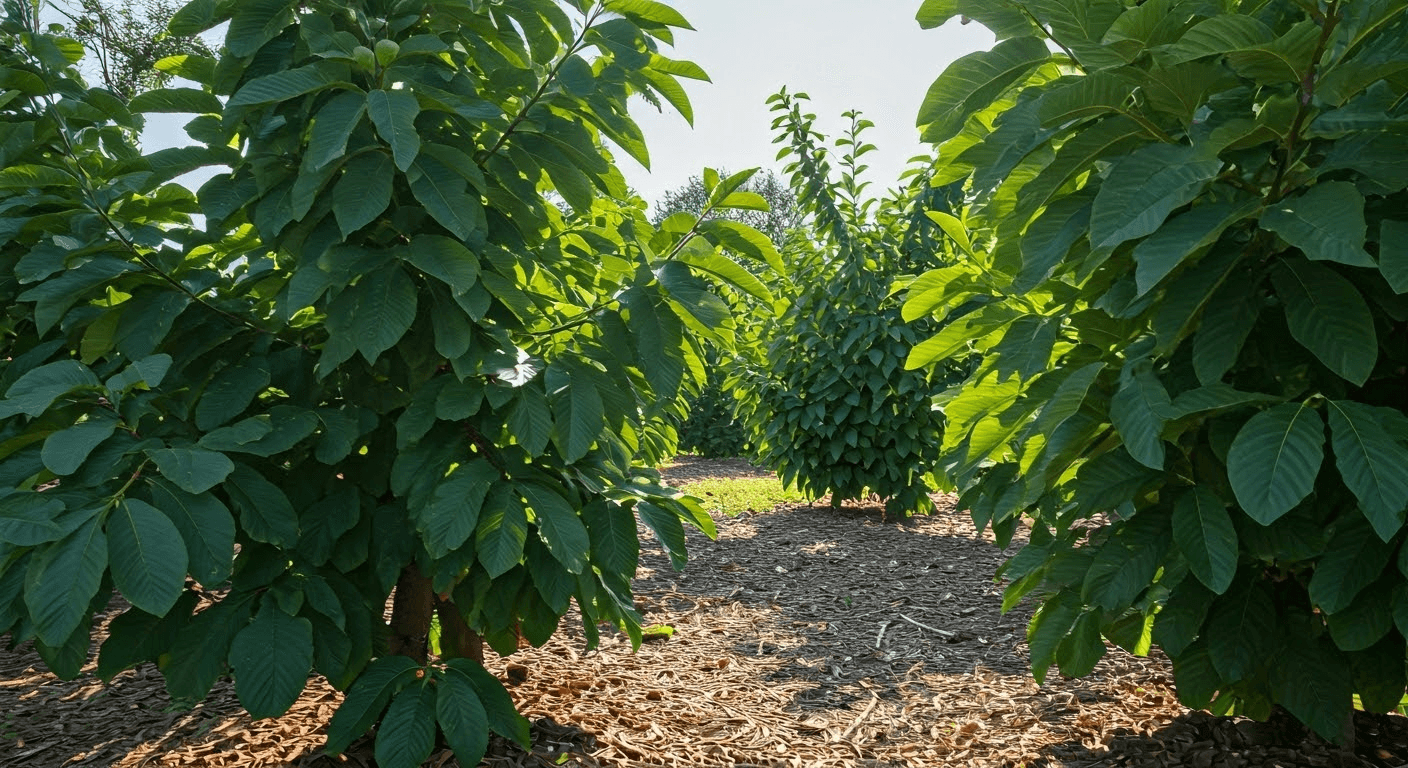

Discover the Best Shade Fruit Trees for Your Garden
Introduction
You might think you need a garden drenched in full sun to enjoy homegrown fruits, but think again! Plenty of fruit trees and berry bushes flourish in partial shade, offering a sweet reward for those with less-than-sunny yards. Whether you have a garden with dappled afternoon shade or areas only kissed by the morning sun, there are shade-tolerant fruit options for you. Explore these suitable varieties and essential planting tips to reap a bountiful harvest.
Essential Considerations for Planting Shade Fruit Trees

Before you start planting, it's important to consider a few key factors to ensure your shade-tolerant fruit trees thrive. First, assess the amount of light your garden receives. Note areas with morning sun and afternoon shade, or vice-versa, and the approximate hours of sunlight different spots receive. Don't forget to observe light patterns during different seasons for a comprehensive understanding.
Next, determine your soil type. Most fruit trees prefer well-drained soil rich in organic matter. Conduct a simple soil test to determine its pH level and nutrient content, amending it as needed with compost or other organic amendments. Lastly, consider the mature size of the fruit trees you intend to plant, ensuring they have adequate space to flourish without overcrowding.
Assessing Your Garden's Light Conditions
Sunlight fuels photosynthesis, the process by which plants convert light energy into chemical energy for growth. While most fruit trees prefer full sun (6-8 hours of direct sunlight daily), several varieties can still yield a satisfying harvest with as little as 4 hours.
Pay close attention to the areas of your garden where morning sun dominates, as this gentler light benefits plants prone to scorching in the intense afternoon heat. Conversely, areas with dappled afternoon shade provide relief for more sensitive varieties. Recognizing these nuances can significantly impact your fruit tree selection.
Lastly, don't underestimate the power of light shade. It doesn't mean complete darkness but rather filtered sunlight, often found beneath the canopy of taller trees. Numerous fruit trees and berry bushes thrive in these enchanting, light-dappled environments.
Understanding Soil Requirements for Shade-Tolerant Fruit Trees
Just as crucial as sunlight, well-draining, fertile soil creates a happy home for your shade-tolerant fruit trees. Ideally, aim for soil rich in organic matter, as it enhances drainage, improves aeration and provides essential nutrients for healthy growth.
Most fruit trees in a partially shaded area appreciate slightly acidic to neutral soil pH, typically ranging from 6.0 to 7.0. A simple soil test can reveal your soil's pH and guide your soil amendment choices. Incorporating generous amounts of compost, aged manure, or leaf mold can significantly enhance soil structure and fertility.
Furthermore, maintain consistent moisture levels, particularly during dry spells, as fruit trees require adequate hydration for optimal fruit production. Applying a layer of mulch around the base of your trees helps retain moisture, suppress weeds, and regulate soil temperature - a winning combination for thriving fruit trees.
Top Shade-Tolerant Fruit Trees for Your Garden

Choosing the right shade-tolerant fruit trees ensures a rewarding harvest from your less sunny garden. Embrace the uniqueness of pawpaw trees, North American natives that produce delicious, tropical-flavored fruit even in shadier spots. Or, opt for the rapid growth and prolific fruit production of mulberry trees, a favorite among birds and humans alike.
If you're looking for a more exotic touch, fig trees, with their ancient history and sweet, delicate fruit, offer an excellent choice for those with partial shade. Remember to select varieties best suited for your climate and provide proper care to savor the fruits of your shade-tolerant orchard.
The Versatile Pawpaw Tree: A North American Native
Don't let the exotic taste of pawpaw fruits fool you -- these trees are native to North America and surprisingly tolerant of shady conditions. In fact, in their natural woodland habitats, pawpaw trees often thrive as understory trees, receiving dappled sunlight beneath the forest canopy.
While pawpaw trees benefit from some sunshine, they still produce their unique, custard-like, tasty fruit with less sunlight than many other fruit trees. The large, tropical-flavored fruits, reminiscent of a blend of banana, mango, and pineapple, ripen in late summer to early fall, offering a truly unique taste of the Americas.
When incorporating pawpaw trees into a shady garden, remember they require cross-pollination for fruit set. Planting two genetically different pawpaw trees ensures a more abundant harvest of these extraordinary fruits.
Mulberry Trees: Delicious Fruits and Fast Growth
Known for their fast-growing nature and resilience, mulberry trees thrive even when faced with less-than-ideal light conditions. While they prefer full sun, mulberry trees still produce an abundance of delicious fruit in partial shade, making them an excellent option for those with shadier gardens.
The sweet, juicy berries, somewhat resembling elongated blackberries, ripen in early summer, attracting a flurry of birds eager to feast on the bounty. With their rapid growth and early fruiting, mulberry trees provide a relatively quick and easy way to enjoy homegrown fruit, even in shadier locations.
However, be prepared for a bit of mess, as ripe mulberries tend to drop from the tree, staining anything beneath. Consider laying down a tarp or planting your mulberry in a less-trafficked area of your garden to make cleanup a breeze.
Fig Trees: An Ancient Favorite with a Sweet Reward
Transport yourself to the Mediterranean with the sweet, delicate flavor of homegrown figs. Surprisingly, these ancient fruits thrive even with a reduced amount of sunlight, producing a delightful harvest in partially shaded gardens.
While fig trees prefer ample sunshine, they can tolerate shade for a portion of the day, particularly in warmer climates where the intense midday sun can be harsh. Selecting early varieties, known for their shorter ripening time, can help ensure a successful fig harvest even with less intense sunlight.
Plant your fig tree in a well-drained spot that receives at least 4-6 hours of sunlight for optimal growth and fruit production. With proper care and attention, you'll be enjoying the unique texture and flavor of fresh figs right from your backyard.
Berry Bushes That Thrive in Shaded Areas
Transitioning from shade-tolerant fruit trees, let's explore the world of berry bushes that flourish in less sunlight. Raspberries and blackberries, summer staples in pies and jams, top the list, offering juicy, flavorful berries even in partially shaded locations.
For a more unique touch, consider currants and gooseberries, with their tart-sweet flavors and versatility in jams, jellies, and desserts. These resilient berry bushes prove that you don't need a sun-drenched yard to enjoy the bounty of homegrown berries.
Raspberries and Blackberries: Juicy Berries for Cooler Spots
Raspberries and blackberries, beloved for their juicy, sweet-tart berries, bring a burst of summer flavor to your table. What's even better is that these resilient bushes can handle a degree of shade, making them ideal candidates for cooler spots in your garden.
While both benefit from some sunshine, especially morning sun, they can tolerate a shaded area for a good portion of the day, particularly the afternoon shade, which can be overly intense for these delectable berries. Aim for at least 4-6 hours of sunlight, even if dappled or filtered, to ensure a bountiful harvest.
When planting raspberries and blackberries in a shaded location, consider providing a bit of extra TLC. Ensure well-drained soil amended with compost to retain moisture and provide essential nutrients. Regular watering during dry periods will keep your berry bushes happy and productive all season long.
Currants and Gooseberries: Small Fruits with Big Flavor
Don't be fooled by their small size; currants and gooseberries pack a punch of flavor, adding a tart-sweet tang to jams, jellies, pies, and even savory sauces. These hardy bushes thrive in cooler climates and tolerate partial shade, making them ideal for less-sunny gardens.
Currants, with their translucent berries in shades of red, white, or black, offer a burst of color to your garden. Gooseberries, on the other hand, boast a slightly fuzzy skin and a unique tartness that adds complexity to various culinary creations. Both prefer well-drained soil and benefit from regular watering, especially during dry spells.
Here are some care tips for growing thriving currant and gooseberry bushes:
- Pruning: Regularly prune out old or dead branches to encourage airflow and new growth.
- Mulching: Apply a layer of organic mulch around the base of your bushes to retain moisture and suppress weeds.
- Pest Control: Monitor for common pests such as aphids and spider mites and treat accordingly.
Caring for Your Shade Fruit Trees
Providing proper care for your shade-tolerant fruit trees ensures they remain healthy, productive, and a source of garden delight for years. While these resilient trees can handle less sunlight, they still require essential elements for optimal growth and a bountiful harvest.
Regular watering, especially during dry spells, is paramount. Maintaining consistently moist soil -- without waterlogging the roots -- promotes healthy root development and fruit production. Supplement natural rainfall with deep watering sessions, allowing the water to penetrate the root zone. Additionally, applying a layer of organic mulch around your fruit trees helps retain moisture, suppress weeds, and moderate soil temperature.
Watering Practices for Optimal Growth
When it comes to watering your shade-tolerant fruit trees, consistency is key. These trees thrive in consistently moist soil, which encourages deep root development and supports healthy fruit production. However, it's essential to avoid overwatering, as waterlogged soil can lead to root rot and other problems.
The frequency of watering will depend on factors such as rainfall, temperature, soil type, and the fruit tree's age and size. As a general rule, aim to water deeply and less frequently, allowing the water to reach the root zone. Feel the soil around the drip line of the tree; if the top few inches feel dry, it's time to water again.
Newly planted fruit trees require more frequent watering to establish their root systems. Employing a soaker hose or drip irrigation system can help deliver water directly to the roots efficiently and conserve water.
Fertilizing Techniques to Boost Fruit Production
While shade-tolerant fruit trees may not require as much fertilizer as their sun-loving counterparts, providing them with the right nutrients can boost fruit production and overall tree health. However, it's important to avoid over-fertilizing, as this can lead to excessive vegetative growth at the expense of fruit development.
Start by ensuring your trees are planted in rich soil, abundant in organic matter. Incorporate compost, aged manure, or other organic amendments into the planting hole and topdress around the base of the tree annually to replenish nutrients.
When selecting a fertilizer for your fruit crops, opt for a balanced, slow-release formula specifically designed for fruit trees. Apply the fertilizer in early spring, just as new growth begins, following the manufacturer's instructions for application rates. Avoid fertilizing fruit trees late in the growing season, as this can stimulate new growth susceptible to winter damage.
Conclusion
In conclusion, selecting the right shade fruit trees for your garden can transform your outdoor space into a lush and fruitful paradise. By considering factors like light conditions and soil requirements, you can ensure the optimal growth of these trees. From versatile options like pawpaw and mulberry trees to ancient favorites like fig trees, there are plenty of delicious choices to explore. Remember to care for your shade fruit trees by implementing proper watering and fertilizing techniques. With a little attention and care, you'll soon be enjoying the bountiful harvest from your shade fruit trees. Explore our diverse range of shade-tolerant fruit trees and berry bushes to enhance your garden oasis.
Frequently Asked Questions
What is the most shade tolerant fruit tree?
The pawpaw is often considered the most shade-tolerant fruit tree, producing well even in light shade. Sour cherries, like the 'Morello' variety, also exhibit good tolerance for shadier locations.
Can fruit trees really produce in full shade?
While some fruit production is possible with less sunlight, most fruit trees won't produce well in full shade. However, numerous berries thrive in shady conditions, like raspberries, blackberries, and currants.
How long until my shade fruit trees begin to bear fruit?
Most fruit trees take a few years to establish before bearing fruit, but some, like fig trees, can produce in their first year. Expect to see blossoms in the early spring, which develop into fruit later in the season.