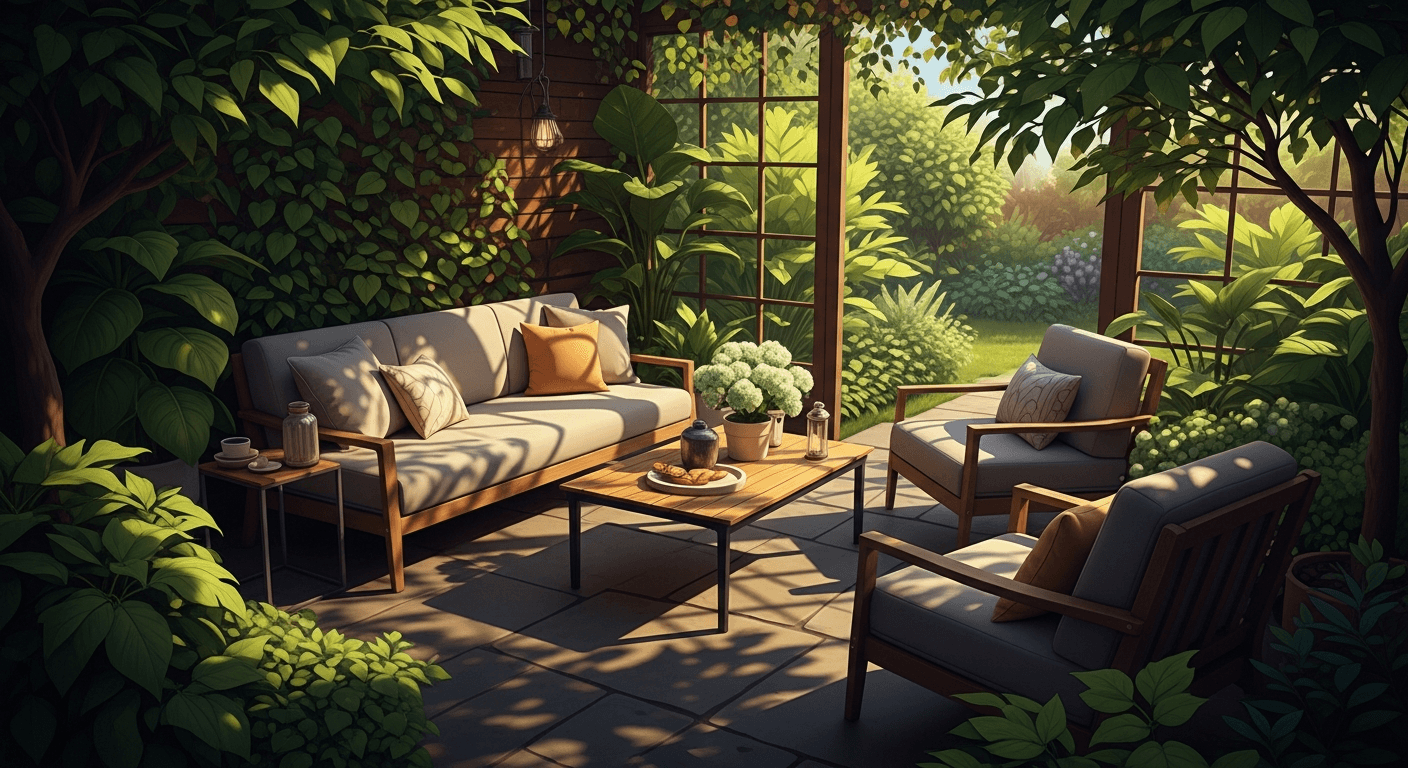

Creating Inviting Spaces with Stunning Sun Traps
Introduction
Have you ever noticed that there is a place on your patio or in your garden that is always warmer? You feel that it is much more pleasant than the rest of the space. This could be a natural sun trap. A sun trap brings extra warmth to a small spot and can feel cozy. A sheltered area with a sun trap is great for making outdoor living feel nice. When you know how a sun trap works, you can plan and build a spot that gets more sunlight. This makes a warm, friendly space for you, your family, and your plants. You can enjoy it all year. Let's see how you can make these great areas in your space.
Understanding Sun Traps and Their Role in Outdoor Spaces

So, what is a sun trap? It is a sheltered space in your garden or on your patio. A sun trap is made to catch the sun's light all day. It is a spot that the walls, hedges, or other barriers protect from the wind. This helps it stay warm. A suntrap makes a small, cozy area with its own feel.
This warmth is good for your garden in many ways. It lets you grow plants that would not grow well in your weather. It also makes a nice place to sit. You can use this spot to put some things like an insect trap with entry tunnels. These devices can work better because it is warm there.
How Sun Traps Capture and Enhance Warmth
A sun trap makes the most of sunlight and keeps the heat in. It does this with the way it is built. Walls, fences, and thick hedges form a shield. These block cold winds from coming into the sheltered area. This is important to keep things warm and steady inside.
These things around the suntrap take in heat from the sun during the day. Materials that are dark, like stone, brick, or concrete, be good at taking in the sun's heat. When the day gets cooler, these things let out the heat they took in. This keeps the suntrap warm for a longer time, even after the sun is down.
Getting the right direction is the last key part. When there is a sun trap that faces south anywhere in the Northern Hemisphere, it will get the most sun during the day. A sun trap brings together walls or barriers that block wind, things that soak up heat, and the best way to turn everything. When you mix these things, you get a sun trap that is very warm and nice to be in.
Key Differences Between Sun Traps and Sun Scoops
Both a sun trap and a sun scoop help to change how sunlight is used, but they are not the same thing. A sun trap gives you a warm and sheltered space outside. A suntrap mainly works to catch the heat from the sun and keep it. This makes it a good spot for you or your plants to stay cozy and warm.
A sun scoop is a part of the building that helps bring sunlight inside. You can see them on roofs or high on walls. They use shiny surfaces to catch and send light into rooms that don't get much daylight. Sun scoops are made to help light up rooms inside a house. They are not made to make outdoor spaces warmer.
A sun trap keeps heat inside a sheltered space. A sun scoop helps to send light into a room. Here is a simple look at how they are not the same:
Feature Sun Trap Sun Scoop Primary Goal To capture and retain heat outdoors. To redirect sunlight into a building. Location Garden, patio, or courtyard. On a building's roof or exterior wall. Function Creates a warm microclimate. Increases natural indoor lighting. Key Element Sheltering structures (walls, hedges). Reflective surfaces.
Designing a Sun Trap for Your Garden or Yard

Building your own sun trap can be fun. It has the power to change how you feel outside. Start by finding the right spot on your patio or in your garden. Think about the way the sun moves across your space each day and over the year. A sun trap that is in the right place makes a nice, sheltered area. You can relax here or use it for gardening.
Once you find the best spot, you should think about what features you want to add. You can pick seats that feel nice. You can choose what plants to put in the area. Every small detail can help your new spot feel warm and cozy. Let's talk about how you can pick the right place and add your own creative ideas.
Choosing the Best Location and Orientation
Finding the best spot is the most important thing when you want to make a sun trap that works well. You need to look at your garden at different times of the day to check where the sun is. If you are in the Northern Hemisphere, a south-facing spot is often the best. This is because it gets the most sun during the day.
Think about how you want to use the space. A place with nice sun in the morning can be the best for a coffee spot on your patio. A spot that gets afternoon light is good for an evening place to sit. You should also look at what is already there. If you have a corner made by your house and garage, or a fence, this can be a great start for a sun trap.
To make sure you do this well, keep these tips in mind:
-
Track the Sun: Spend a day and see where the sun shines in your yard. Check it in the morning, at midday, and in the evening. This will help you find the spots that get the most sun.
-
Block the Wind: Figure out where the wind comes from most of the time. Then, plan to use a wall, fence, or thick hedge to block it.
-
Use Heat-Absorbing Surfaces: Plan to use dark paving stones or a brick wall as the base for your sun trap. They will soak up heat during the day and give it back out later.
Creative Ideas and Features to Build Stunning Sun Traps
After you pick the right spot, you can start to think about how to make your sun trap look good. A sun trap does not have to be just a sunny spot. You can turn it into a nice and useful part of your garden. Try adding things like a built-in seat, a raised area, or a pretty wall. This helps to show where the space is and make the sun trap feel special.
For hardscaping, you can use gravel to make a laid-back, natural feel. The gravel will help the soil keep its water, and you can plant right in it. There is no need for big beds. To make the space feel calm, you can put in a water feature. A small pond or a fountain works well. If the sun trap gets too hot, you may want to add shade. A patio umbrella gives good shade and looks nice. It is also easy to move when you need.
Here are a few inspiring ideas to get you started:
-
Tiered Terraces: Make several levels to hold the sun all through the day, with a seating spot for mornings and a different one for nights.
-
Cozy Seating Nook: Put in a curved bench in a sunny corner. Around it, plant flowers that love the sun and smell nice.
-
Water and Sculpture: Add a small pool for looking at your own face or put up a new-style sculpture. This will be the main thing people see when they enter your sun trap.
Maximizing Benefits: Plant Choices and Seasonal Advantages
To get the best out of your sun trap, pick the right plants. This warm and sheltered area lets you have plants that may not grow in other parts of your garden. If you choose the right flowers, shrubs, and trees, they will make your sun trap look nicer and be more useful.
A sun trap gives you some big benefits as the seasons change. The area holds heat, which helps you grow crops longer through fall. It also helps protect soft plants from frost when it gets cold. In this text, we will look at which plants do well in a sun trap and talk about how you can keep your garden growing through the whole year.
Best Plants for Sun Trap Areas
The sun trap makes a warm and covered spot, which is great for plants that need a lot of sun and heat. If you pick drought-tolerant plants, they can do well, because the dirt in the suntrap can get dry fast. You can have plants in the sun trap like lavender, rosemary, and thyme, which smell good when the sun is out. A sun trap with these plants feels like the Mediterranean.
To add some color to your garden, you can plant deep red 'Lasting Love' lilies. These flowers grow from June to September. They love being in sunny spots and will look good all summer. Loose and airy plants like Verbena bonariensis and Nepeta (catmint) also grow well in a sheltered area. They will make your space feel soft and natural.
Here are some excellent choices for your sun trap:
-
Olive Trees: Olive trees love the sun and can handle dry soil when they are strong. They give a stylish feel that can remind you of the Mediterranean.
-
Hardy Palms: You can use plants like the windmill palm (Trachycarpus fortunei) in your suntrap. These palms can make the space feel like a tropical spot.
-
Sanguisorba and Verbena: These are perennials that grow well in full sun. They add nice color and feel to the whole area. They also bring in bees and butterflies.
Using Sun Traps for Extended Growing Seasons and Frost Protection
One of the best things about a sun trap is that it can give you more time to garden in a year. The extra warmth in this sheltered space makes the soil warm up sooner in spring. The soil also stays warm for a longer time, even when autumn comes. Because of this, you can plant your seeds earlier. You can also pick what you grow later, compared to other spots in your garden.
This trapped heat is very important if you want to keep frost away. On nights when you might get a light frost, the heat in the sun trap helps the temperature stay just above freezing. This keeps tender plants safe from harm. The walls or fences in the sun trap stop cold wind and also give off some of the stored heat at night. This works like a natural shield that keeps out the cold.
You can make this effect stronger by using cloches or cold frames inside your sun trap for better cover. With this mix, you can keep more tender perennials alive over winter or start your vegetable garden early, even if it gets cold where you live. A sheltered space like this is a good help for any gardener who wants to make the growing season longer.
Eco-Friendly and Solar-Powered Solutions with Sun Traps
Your sun trap is a great place for both plants and people. It is also a good spot for using green ideas in your home or garden. There is a lot of sunlight here. So, you can use the power of the sun for outdoor lights and helpful tools to take care of your garden. By doing this, you make your sun trap better and help the environment at the same time.
One way people now use new ideas is by bringing in solar-powered tools for natural pest control. A green insect trap lets you sit and relax on warm days next to your sun trap, without the bugs bothering you. We will talk about some of these solar-powered options and give you more tips for being good to the earth while you use your sun trap.
Solar-Powered Sun Traps for Insect Control
Yes, you can find great solar-powered sun trap devices made to get rid of bugs like wasps, hornets, and mosquitoes. These sun traps work by mixing the basic idea of a normal insect trap with new, earth-friendly tech. A lot of these traps are made to hang in sunny spots, which makes your sun trap a good place to use them for wasps and other bugs.
These traps have a solar panel on the top. The solar panel charges a battery during the day. At night, the trap uses the stored power to turn on a blue UV light. This light draws flying insects, including wasps. The insects come inside through tunnels made for the trap and get caught. You can add things like sugar water or fruit juice to the trap. This helps to get more wasps into the trap.
This way lets you keep pests away all the time, and you do not need to use any chemicals. Since they run on solar power, you will not have to pay for electricity or worry about getting new batteries. It is a good way to make sure your sun trap stays nice and clear of bugs.
Sustainability Tips for Sun Trap Installations
Making a sun trap at home that is good for the earth is not hard. You can put care for the earth into every part of your plan. This can start with what you use to build and even which plants you pick. Try to use old or recycled things for your walls, seats, and ground instead of getting all new stuff. This way, your sun trap can look nice and also help the planet.
Choosing plants that do not need much water is important for being good to the environment. These plants will do well in the hot spot of your suntrap. Once these plants grow, they need less water, so you save water and help the earth at the same time. You can also put a rain barrel close to your suntrap. This will let you collect rainwater for your plants, so you do not have to use as much tap water.
For a suntrap that is good for the earth, keep these things in mind:
-
Use Reclaimed Materials: Build walls or walkways with old bricks, stones, or wood. This helps use things the second time instead of throwing them out.
-
Plant Native and Drought-Tolerant Species: Pick plants that grow well in your area. They do not need much water to do well.
-
Incorporate Permeable Surfaces: Put down gravel or pavers that let water go through, not solid concrete. This helps rain soak into the ground and helps bring more water back to the earth.
Conclusion
Making nice outdoor spaces with great sun traps can really change how your garden looks and works. When you plan these sun traps well, you get to use the natural heat from the sun. This helps your plants grow, gives you more time to work in the garden, and helps you think about the environment too. The right plants and features in your sun trap can make your garden feel full of life and good for the planet. A sun trap can be perfect for relaxing outside or making a busy garden space. You get both style and use out of it. Try adding sun traps to your outdoor space to see how it makes things better. If you want help or would like to talk about your ideas, feel free to contact us for a chat!
Frequently Asked Questions
How do sun traps help extend the growing season in colder climates?
A sun trap is a sheltered area that gets warm fast. The soil here will heat up early in the spring and stay warm longer during the fall. The suntrap blocks cold winds and keeps the area protected from frost. It gives off the heat it has saved, keeping the plants safe at night. Because of this, you can grow plants for a longer time.
Are there easy ways to make eco-friendly sun traps at home?
Yes, you can make an eco-friendly sun trap very easily. Use old bricks or parts for the walls. Pick plants that do not need much water. Native plants are good for this. Choose gravel or other things that let water soak into the ground. A sun trap made this way helps the earth and will give you a nice, warm spot out in your garden.
What are some inspiring ideas for sun trap designs in my backyard?
If you want some ideas, think about a patio with a few levels and different places to sit. A simple built-in bench in a sunny spot can feel very cozy. A suntrap can feel fresh and bright if you add potted olive trees and small gravel paths, like people do in places near the sea. Put up an umbrella with style so you can use the patio any time of day, with shade when you want it.