
Introduction
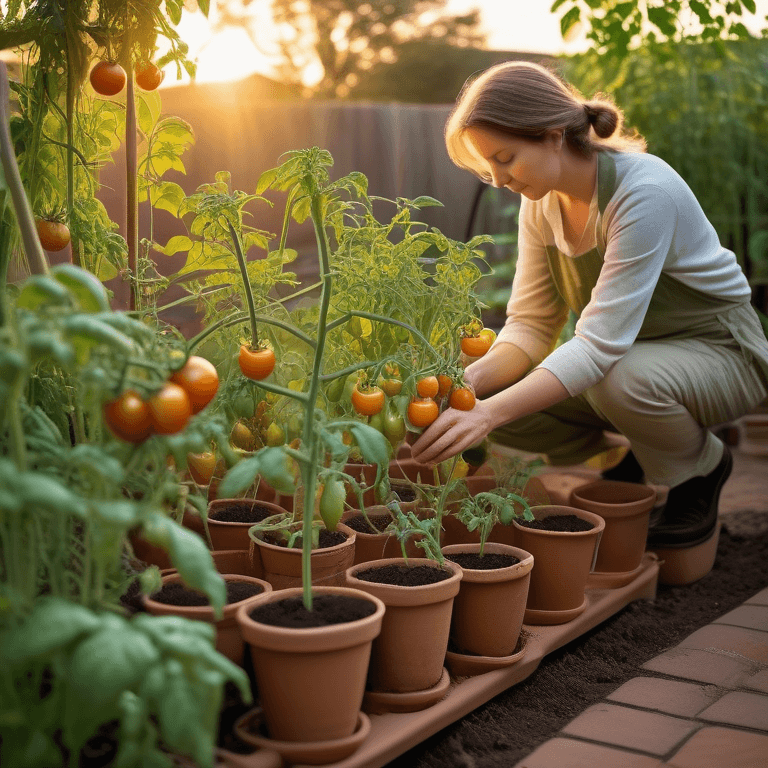
Embarking on the journey of growing your own tomatoes is a rewarding experience. Not only do homegrown tomatoes burst with flavor, they offer numerous health benefits too. Whether you have a spacious garden or a sunny balcony, nurturing a tomato plant throughout the growing season provides a sense of accomplishment and fresh, delicious produce.
10 Essential Tips for Growing Tomatoes Successfully
Growing tomatoes might appear daunting at first, but with a few essential tips, even beginners can achieve a bountiful harvest. From choosing the right variety to understanding their basic needs, we'll equip you with the knowledge to grow thriving tomato plants.
These ten tips cover various aspects of tomato plant care, encompassing soil preparation, watering techniques, pest control measures, and more. By following this guide, you'll be well on your way to enjoying the fruits of your labor - literally!
1. Choosing the Right Tomato Varieties

The world of tomatoes offers an astonishing array of varieties, each with unique flavors, colors, and growth habits. Before heading to the garden center, consider your space limitations and taste preferences.
Cherry tomatoes are perfect for snacking and container gardening, while larger varieties like heirloom tomatoes and beefsteak tomatoes shine in salads and sandwiches. Heirloom tomatoes, in particular, boast exceptional flavors and often come in an array of shapes and hues.
Take into account your local climate and growing season length. Some tomatoes thrive in warm weather, while others tolerate cooler temperatures. By selecting suitable varieties, you'll set the stage for a successful and flavorful harvest.
2. Understanding Soil Requirements for Tomatoes
Tomatoes crave nutrient-rich, well-drained soil to flourish. They thrive in a slightly acidic to neutral pH range, ideally between 6.0 and 6.8. Before planting, prepare your soil by amending it with compost, which improves drainage and adds essential nutrients.
Tomatoes are heavy feeders, demanding a steady supply of nutrients like nitrogen, phosphorus, and potassium throughout their growth cycle. These nutrients contribute to foliage growth, root development, and fruit production.
Conducting a soil test can provide valuable insights into your soil's composition and nutrient levels, guiding you in making necessary amendments. A well-nourished tomato plant will reward you with robust growth and an abundance of delicious fruit.
3. The Importance of Proper Tomato Plant Spacing
Just like people, tomato plants need their space to thrive. Proper spacing is crucial for air circulation, which helps prevent fungal diseases like early blight. Crowded plants create a humid microclimate, inviting diseases to take hold.
When planting your tomato seedlings, aim for a spacing of 2 to 3 feet apart, depending on the variety's mature size. This spacing allows for ample sunlight penetration and airflow around each plant.
In addition to disease prevention, proper spacing also makes it easier to inspect your plants for pests and facilitates more efficient watering. Give your tomatoes room to breathe and grow, and they will reward you with an impressive yield.
4. Techniques for Effective Watering

Watering is essential for any plant's survival, but tomatoes have specific preferences. It's important to strike a balance--- while they appreciate consistent moisture, excess water can suffocate the roots and lead to problems like blossom end rot.
Employing deep watering techniques encourages strong root development. Rather than frequent, shallow watering, water your tomatoes deeply once or twice a week, allowing the water to penetrate several inches into the soil.
Mulching around the base of your tomato plants with straw or wood chips helps retain moisture and regulate soil temperature. Consistent watering practices contribute to healthy growth, minimizes stress, and pave the way for a plentiful harvest.
5. Maximizing Sun Exposure for Healthier Plants
Tomatoes absolutely adore sunshine, as it fuels their growth and fruit production through photosynthesis. For optimal growth, strive to provide your tomato plants with at least 6 to 8 hours of direct sunlight per day.
While sunshine is essential, be mindful of excessive heat, which can lead to sunscald on the fruit. Sunscald appears as light-colored, papery patches on the tomatoes.
If you live in a scorching climate, consider providing some afternoon shade during the hottest part of the day. This will protect your tomato plants from extreme temperatures and help prevent sunscald.
6. Implementing Natural Pest Control Strategies
Garden pests can wreak havoc on your tomato plants, but harsh chemical pesticides can harm beneficial insects and contaminate your harvest. Instead, opt for natural pest control methods that are both effective and environmentally friendly.
One approach is to introduce beneficial insects into your garden. Ladybugs, for example, are voracious predators of aphids, which can infest tomato plants. You can purchase ladybugs at garden centers and release them near your plants.
Other natural pest control measures include using insecticidal soap to deter soft-bodied insects like aphids and spider mites, and creating physical barriers, such as row covers, to protect your plants.
7. Regular Pruning and Support for Tomato Plants
Tomato plants benefit from regular pruning to maintain their vigor and improve air circulation. As your plants grow, remove any suckers---the small shoots that emerge from the joint where a branch meets the main stem.
Pruning suckers redirects the plant's energy towards fruit production, resulting in a higher yield. Additionally, providing support structures is crucial for most tomato varieties.
Tomato cages or stakes keep the vines upright, preventing them from sprawling on the ground. This keeps the fruit clean and makes harvesting easier. Support structures also improve air circulation, further reducing the risk of diseases.
8. Identifying and Managing Common Tomato Diseases
Despite your best efforts, tomato plants can sometimes fall victim to diseases. However, by familiarizing yourself with common tomato diseases and implementing preventative measures, you can minimize the risk of infection.
Crop rotation is one of the most effective ways to disrupt disease cycles. Avoid planting tomatoes in the same spot year after year, as disease-causing organisms can linger in the soil.
Other preventative measures include selecting disease-resistant tomato varieties, watering at the base of the plants rather than overhead, and providing good air circulation.
9. The Role of Fertilizers in Tomato Growth
As mentioned earlier, tomatoes are heavy feeders and require a continuous supply of nutrients for optimal growth and fruit production. Fertilizers supplement the nutrients present in the soil.
Choose a balanced fertilizer specifically formulated for tomatoes, and follow the package instructions carefully. It's generally recommended to fertilize your tomato plants every 2 to 4 weeks throughout the growing season.
Over-fertilizing can be detrimental to your plants, leading to excessive foliage growth at the expense of fruit production, so moderation is key.
10. Harvesting Tips for Peak Flavor and Freshness
Harvesting your tomatoes at their peak ripeness ensures maximum flavor and juiciness. Ripe tomatoes will have a deep, uniform color, depending on the variety, and will feel slightly firm to the touch.
Avoid harvesting tomatoes that are overly soft or have cracks, as they are more susceptible to spoilage. Once harvested, store your tomatoes at room temperature, out of direct sunlight.
Refrigerating tomatoes can affect their flavor and texture, so it's best to keep them at room temperature unless you plan to use them within a day or two. Enjoy your fresh, homegrown tomatoes in salads, sandwiches, sauces, and more!
Conclusion
In conclusion, mastering the art of growing tomatoes requires patience, dedication, and adherence to best practices. By selecting the right varieties, providing appropriate soil conditions, and implementing effective care routines, you can yield a bountiful harvest. Remember to maintain proper spacing, water diligently, and offer adequate sunlight to your plants. Embrace natural pest control methods, regular pruning, and disease management strategies to ensure healthy growth. With the right knowledge and techniques, you can savor the joy of homegrown, flavorful tomatoes. Happy gardening!
Frequently Asked Questions
What's the Best Time to Plant Tomatoes in the United States?
In the United States, the best time to plant tomatoes outdoors is typically a few weeks after the last frost date in your region. This ensures that the soil has warmed up sufficiently for optimal tomato growth, as tomatoes thrive in warm weather.