
Best Winter Trees for Stunning Landscapes
Introduction
Winter may be a time when many plants go dormant, but that doesn't mean your landscape has to be dull and lifeless. In fact, there are several tree species that thrive during the winter months, offering stunning beauty and unique features to enhance your outdoor space. These winter trees not only add visual interest to your landscape, but also provide important benefits for local wildlife and the environment.
Unveiling Winter's Majestic Flora

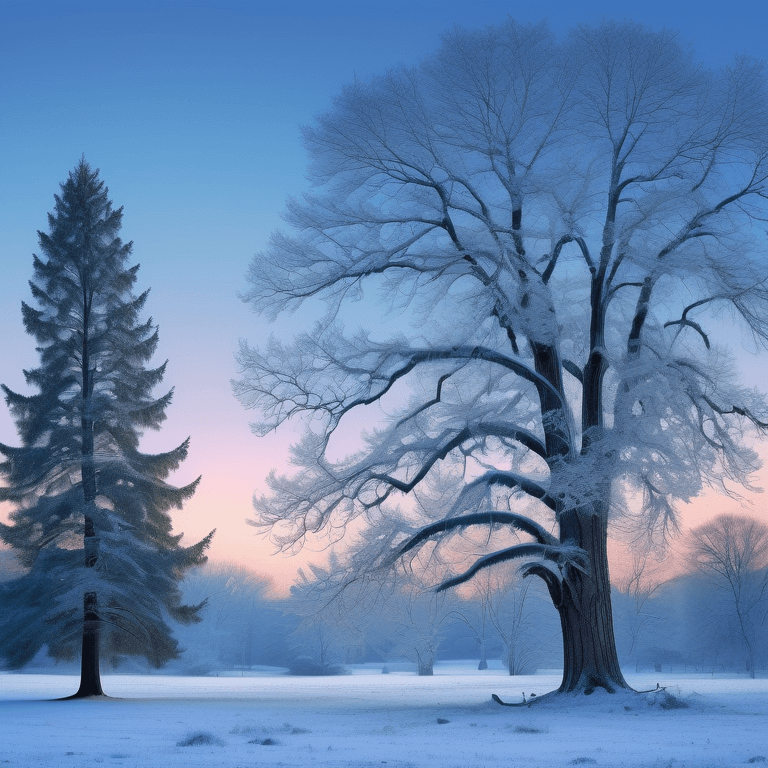
Deciduous trees are a wonderful addition to any winter landscape. While they may lose their leaves in the autumn, their bare branches create a striking silhouette against the winter sky. These trees are able to withstand the cold temperatures of winter and continue to thrive even during the harshest months. By choosing the right deciduous trees for your area, you can enjoy their beauty year-round.
Embracing the Charm of Winter Clematis
One winter tree that deserves special attention is the winter clematis. Despite the cold temperatures, this deciduous vine produces beautiful blooms during the winter months. Its delicate flowers add a touch of color to the winter landscape, providing a stunning contrast to the snowy backdrop. The winter clematis is also able to withstand ice damage and water loss, making it a resilient choice for winter gardens.
Discovering Hardy Perennials: Hellebores and Camellias
In addition to clematis, hellebores and camellias are two other popular choices for winter gardens. These hardy perennials not only provide beautiful foliage year-round, but also produce stunning blooms during the late summer and early fall. Their ability to withstand extreme cold temperatures makes them ideal for winter landscapes. Here are some key features of hellebores and camellias:
- Hellebores: Known as the "Christmas rose," hellebores are able to survive in freezing temperatures and even bloom during the winter months. Their elegant flowers come in a variety of colors, including white, pink, and purple.
- Camellias: These evergreen shrubs produce large, showy flowers in shades of red, pink, and white. They are known for their glossy foliage and can tolerate temperatures as low as 0 degrees Fahrenheit.
Essential Features of Winter-Friendly Trees

When selecting winter trees for your landscape, it's important to consider their essential features. The type of tree, the time of year, and the soil temperatures can all impact their ability to thrive during the winter months. By choosing winter-friendly trees, you can ensure that your landscape remains beautiful even in the coldest of temperatures.
Frost Resistance: Nature's Shield Against the Cold
Evergreen trees are a great choice for winter landscapes due to their natural frost resistance. These trees have adapted to withstand the cold temperatures by developing thick cell walls that protect their tissue from freezing. This allows them to retain their green foliage throughout the winter, providing a vibrant and lively backdrop to your landscape. Some popular evergreen tree options include pine, spruce, and fir trees.
Minimal Care, Maximum Beauty: Low-Maintenance Trees for Winter
If you're looking for low-maintenance trees that offer maximum beauty during the winter months, there are several options to consider. Trees with small leaf buds, such as birch and maple, are less likely to be damaged by heavy snow and cold air. These trees require minimal care and can still provide a stunning display with their unique bark and branching patterns. By choosing low-maintenance trees, you can enjoy a beautiful winter landscape without the hassle of constant upkeep.
Prospering Through the Chill: Benefits of Winter Trees
Winter trees offer more than just visual appeal to your landscape. Their unique adaptations and features provide a range of benefits, both for the environment and for your outdoor space. The waxy outer coating of evergreen trees helps to protect them from spells of extreme cold, while their small surface area reduces water loss through evaporation. These adaptations allow winter trees to flourish even in harsh winter conditions.
Enhancing Winter Scenery with Seasonal Blooms
One of the most captivating features of winter trees is their ability to produce seasonal blooms. Despite the evaporation of water during the winter months, some trees, such as bald cypress, have developed amazing strategies to ensure they can still produce stunning blooms. These trees have adapted to the cold and can provide a burst of color to your winter landscape. By incorporating trees with seasonal blooms, you can enhance the beauty of your scenery even during the coldest months.
Supporting Local Wildlife During the Frosty Months
Winter trees play a crucial role in supporting local wildlife during the frosty months. As temperatures drop and food becomes scarce, many animals rely on trees for shelter and sustenance. Trees with berries, such as holly and crabapple, provide a valuable food source for birds and small mammals. Additionally, the dense foliage of evergreen trees offers protection from harsh weather conditions. By planting winter trees, you can create a welcoming habitat for wildlife and contribute to the overall health of the ecosystem.
The Flip Side: Considerations Before Planting
While there are many benefits to planting winter trees, it's important to consider a few factors before making your selection. Fruit trees, for example, require specific growing conditions and may not thrive in all regions. Additionally, some trees may require moist soil and may not tolerate freezing temperatures. By understanding these considerations, you can make informed choices and ensure the success of your winter tree planting.
Understanding the Challenges of Cold Weather Growth
Cold weather can pose unique challenges for tree growth. The bark, buds, and sap of trees are particularly susceptible to damage from freezing temperatures. Freezing can cause the bark to crack and the buds to die, leading to stunted or delayed growth in the spring. Understanding these challenges can help you select trees that are better equipped to handle the cold and minimize the risk of damage.
Space and Soil: Preparing Your Garden for Winter Trees
Proper preparation of your garden space and soil is essential for the success of winter trees. Conifers, for example, require well-drained soil to prevent root rot and ensure healthy growth. Mulching around the base of the trees can help insulate the soil and protect the roots from frost. Here is a helpful table summarizing the space and soil requirements for different winter trees:
Tree Type Space Requirements Soil Requirements Conifers Allow enough space for mature height and spread Well-drained soil to prevent root rot Deciduous Trees Consider the mature size and spread of the tree Fertile soil with good drainage
Branching Out: Exploring Similar Flora
To diversify your winter landscape, consider exploring similar flora to complement your chosen winter trees. Evergreen trees, such as pine and spruce, offer year-round beauty with their lush foliage. Maple trees, known for their vibrant autumn colors, can also provide a stunning backdrop to your winter garden. By incorporating a variety of tree species, you can create a dynamic and visually appealing outdoor space.
Beyond Trees: Incorporating Winter Shrubs and Bushes
While trees are an important component of a winter landscape, incorporating winter shrubs and bushes can add depth and interest to your outdoor space. One popular choice is the larch tree, which is known for its vibrant yellow foliage in the fall and its unique appearance in the winter. Larch trees are hardy and can withstand the harsh winters of Minnesota, making them an excellent choice for gardeners in cold climates.
In addition to larch trees, there are several other winter shrubs and bushes that can enhance your winter landscape. These include the Minnesota snowflake, which produces clusters of delicate white flowers in the winter, and the winterberry bush, which is known for its bright red berries that persist throughout the winter months. By incorporating these plants into your landscape, you can create a stunning winter scene that will be the envy of your neighbors.
From Evergreens to Deciduous: A Diverse Winter Palette
When it comes to choosing winter trees for your landscape, you have a diverse palette to choose from. Evergreen trees, such as the birch tree, provide year-round interest with their foliage that remains green throughout the winter months. These trees are particularly striking against a backdrop of snow and can add a sense of tranquility to your landscape.
On the other hand, deciduous trees offer a different kind of beauty in the winter. Their bare branches create interesting silhouettes against the winter sky, and their fallen leaves can provide a natural mulch that helps protect the soil during the winter months. Many deciduous trees also have stunning foliage in the autumn, which adds another layer of color to your winter landscape.
The Final Verdict: Our Top Picks for Your Winter Landscape
After careful consideration, our top picks for winter trees and shrubs for your landscape are the snowbell and the winterberry holly. The snowbell is a resilient winter shrub that can withstand cold temperatures and adds a touch of elegance to any winter landscape. Its delicate white flowers bloom in February and its bare twigs add interest during the winter months.
The winterberry holly, on the other hand, is known for its vibrant red berries that persist throughout the winter. These berries provide a splash of color against the backdrop of snow and are a favorite food source for birds during the winter months. Both of these trees are excellent choices for adding beauty and interest to your winter landscape.
The Resilient Winter Warrior: Why We Recommend the Snowbell
The snowbell tree is a resilient winter warrior that is well-suited for cold climates. Its evergreen foliage provides a touch of green in the winter landscape, and its unique bell-shaped flowers add a touch of elegance. The snowbell is also known for its ability to withstand harsh winter conditions.
One of the reasons the snowbell is so resilient is its ability to reduce transpiration, the process by which water is lost through the leaves. This is achieved through the tree's waxy outer coating, which helps to seal in moisture and reduce water loss. Additionally, the snowbell's dense foliage provides insulation against the cold, protecting the tree from frost damage.
If you are looking for a winter tree that can withstand the rigors of winter and add beauty to your landscape, we highly recommend the snowbell. Its resilience and beauty make it a perfect choice for any winter garden.
A Splash of Color: The Winterberry Holly's Enduring Appeal
The winterberry holly is a popular choice for winter landscapes due to its enduring appeal and vibrant red berries. This deciduous shrub is known for its showy display of berries, which persist throughout the winter months. The bright red berries provide a splash of color against the backdrop of snow, making the winterberry holly a standout in any landscape.
One of the reasons the winterberry holly is so well-suited for winter landscapes is its ability to withstand cold temperatures and desiccation, or drying out. While many broadleaved trees and shrubs struggle in the winter, the winterberry holly thrives. It is native to Florida and other southern states, where it can be found growing in wetlands and along riverbanks. By incorporating the winterberry holly into your landscape, you can enjoy its enduring appeal and vibrant color throughout the winter months.
Conclusion
Winter trees not only add charm to your landscape but also support local wildlife and enhance the winter scenery with seasonal blooms. While considering the benefits of these trees, it's crucial to understand the challenges of cold weather growth and prepare your garden adequately. From low-maintenance options to nature's shield against the cold, these trees offer maximal beauty with minimal care. Embrace the diversity of winter-friendly flora by exploring shrubs and bushes that complement your winter palette. To create a stunning winter landscape, consider our top picks like the resilient Snowbell and the enduring appeal of the Winterberry Holly. Branch out this winter and transform your outdoor space into a picturesque wonderland.
Frequently Asked Questions
What Makes a Tree Ideal for Winter Conditions?
A tree that is ideal for winter conditions is one that can withstand cold temperatures and has frost resistance. Additionally, trees with a waxy outer coating, small surface area, and reduced evaporation of water are better suited for winter conditions.
How Do I Protect My Winter Trees from Frost Damage?
To protect your winter trees from frost damage, you can apply a layer of mulch around the base of the tree. This will help insulate the roots and protect them from freezing. Additionally, wrapping the tree trunk with tree bark in late fall can provide extra insulation. Removing heavy snow from the branches can also prevent damage.
Can Winter Trees Thrive in Very Cold Climates?
Yes, winter trees, including deciduous trees, conifers, and evergreen trees, can thrive in very cold climates. These trees have adapted to withstand extreme cold and are able to survive in cold air temperatures. Their ability to conserve moisture and protect their cells from freezing allows them to thrive in these harsh conditions.