
Exploring Natural Remedies: Uses for Yarrow Explained
Introduction
Have you ever seen a pretty weed with white flowers growing next to a road or in a field? That might be yarrow. It is called Achillea millefolium by scientists. Yarrow plants are not just wildflowers that look nice. They are also one of the best medicinal plants you can get. Yarrow has a long history and comes with a lot of health benefits. It is a great herb to know about and add to your wellness routine. Let's find out more about this good plant.
Discovering Yarrow: Identification and Habitat

Yarrow is a tough perennial herb that grows in many places with temperate climates. You can find it in north america and in other areas like this. This plant does well in many kinds of places, so you see it a lot. The genus name for yarrow is Achillea. It comes from the name of a greek hero called Achilles. This shows that people have known about its healing uses for a long time.
Before you use yarrow plants, you need to know how to spot them the right way. The first thing is to learn the clear features of yarrow. This helps you stay safe when you pick and use this strong plant. In this text, we will talk about how to find yarrow and where you can often see it growing.
How to Identify Yarrow in the Wild
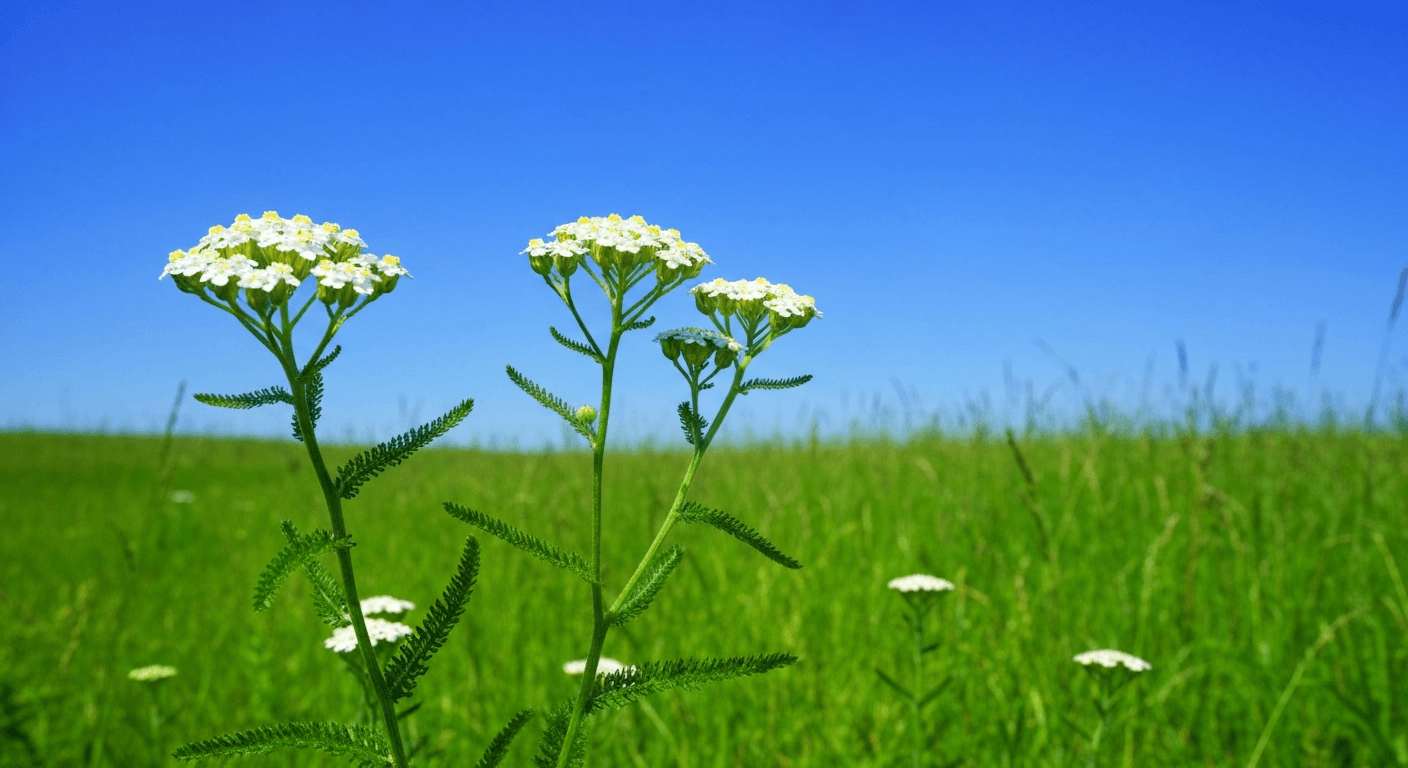
To spot wild yarrow, you need to watch closely. This is a perennial herb that can grow up to three feet tall. It has yarrow leaves that are easy to pick out because they look like feathers or ferns and they branch out from the main stem. Young yarrow plants may feel soft because their stems and leaves have fine hairs.
The most common yarrow you will see for medicine is white yarrow. It makes tight groups of small white flowers. Some other types have pink or yellow flowers, but the white yarrow is best for making herbal items. If you look for the plant, remember to look at these key things:
-
The plant has leaves that feel soft and look a lot like ferns.
-
There is a bunch of small white flowers growing together in a flat group at the top.
-
The stem can have a bit of hair on it.
It is very important to be sure about your identification. Yarrow can look like some poisonous plants. One example is hemlock, which has clusters of small white flowers too. Before you pick anything, double-check with a reliable guide. This will help you stay safe when you see white flowers in the wild.
Where Does Common Yarrow Grow in the United States
Yarrow is easy to find in North America. It grows well in temperate climates and does not need special soil. You will see this tough plant in fields, meadows, and by the roadside. These open spots give it lots of sun. Yarrow also does well in hot, cold, and dry climates.
Yarrow can handle many growing conditions, but it does have things it likes better. It grows best when it gets full sun. It can still do well if it is in partial shade. The one thing it does not like is wet soil. So, you will see it more in places that have soil that lets water drain out. Because it can get used to many places, it is found in a lot of spots, and people do not have to worry about it from a sustainability point of view.
Yarrow can grow in lots of different places. This makes it easy for the people who like to find plants in nature.
Habitat Feature Preference Sunlight Full sun is best; tolerates partial shade Climate Temperate; handles hot, cold, and dry climates Soil Dislikes wet soil; prefers well-drained areas Location Open fields, meadows, roadsides
Historical and Traditional Uses for Common Yarrow

Yarrow has a long history that goes back thousands of years. People have used it since ancient times. Cultures around the world have noticed the strong medicinal properties of yarrow. Every part of the plant was important, from the leaves to the yarrow stalks and flowers.
This history gives us a good idea of how people from the past saw health and feeling well. There are many stories and old ways people used yarrow. These show why it is still seen as a helpful plant. Let's see some of the ways that yarrow was used by people long ago and in old stories.
Ancient Cultures and Yarrow Herb Uses
Yarrow has a long history as one of the great medicinal plants. Its story goes back to Ancient Greece. There was a Greek doctor and plant expert named Dioscorides who lived from 40-90 CE. He wrote about yarrow and its strong healing properties. This helped people see how valuable it was in early medicine.
In fact, the plant yarrow gets its name Achillea from Achilles, the well-known Greek hero. People say that Achilles used yarrow for wound healing. He would put it on the cuts and bleeding injuries of his soldiers when they fought in the Trojan War. This story shows the most famous old use of yarrow: it was known for wound healing.
-
The work includes stopping bleeding from wounds.
-
It is also for treating soldiers when they get hurt on the battlefield.
-
People talk about its use in other old traditions too, like the Chinese I Ching.
This tie to a strong warrior shows why the plant is known for its power and healing. The stories that have been told over time show how people used yarrow for many real and helpful things in the old days.
Native American Remedies and Folklore
We do not have detailed records about Native American remedies. But stories about yarrow show that many groups have used it as a medicinal herb. People trust yarrow to help with blood flow. For many years, people turned to it as a first choice for first aid. They used yarrow to stop bleeding from cuts and other injuries.
This herb is strong and is known to help with skin irritation. The stuff inside the plant can ease swelling and pain. A lot of people use it for different problems because of this. Many stories about the plant come from real things people have seen and used over many years.
The use of yarrow as a medicinal herb goes way back in history. People have used it many times, and this shows how well it works. If someone got hurt outside or needed help with pain, they would often choose yarrow. This medicinal herb was something many kept in their medicine boxes before there were any modern medicines.
Medicinal Benefits and Yarrow Herb Uses
Yarrow is known for many health benefits. The plant has strong medicinal properties. Its active constituents give it anti-inflammatory, antiseptic, and antispasmodic actions. One of the biggest benefits of yarrow is its astringent properties. This helps to tighten tissue and lower bleeding.
Yarrow is a useful herb that people add to their natural remedies. The benefits of yarrow can help your skin and your stomach. There are many other ways it can help too. Let's look at some of the most common ways people use this herb for better health.
Healing Cuts, Wounds, and Skin Issues
One big benefit of yarrow is how good it is for wound healing. The plant has strong astringent properties. This means it can help stop bleeding fast by tightening the skin. That is why yarrow works well as a first aid treatment for small cuts or scrapes. If you are outdoors, you can mash up yarrow leaves and put them right on an injury as a simple natural dressing.
Yarrow does more than just stop bleeding. It is also good for your skin. It can help with skin irritation, bring down swelling, and work well for things like rashes and bug bites. Because of its power to calm swelling, you will often find it in dermatological products for red or itchy skin.
Here are a few ways yarrow supports your skin:
-
It helps slow down blood flow from small cuts.
-
It can soothe the skin when you have bug bites or rashes.
-
It may help reduce swelling that comes with some skin issues.
Digestive, Immune, and Anti-inflammatory Properties of Yarrow
Yarrow is helpful for more than just your skin. It can be good for your digestive system and may help with problems like gastritis, indigestion, or diarrhea. The bitter parts in yarrow make digestion better, and the tannins in it can dry and calm an upset stomach. People also say it can help lower blood pressure.
This herb helps your immune system work better. It also helps blood move in your body. You can use it when you have a fever to feel better. The herb is good at drying things up, so it can stop a runny nose or help clear too much mucus from your lungs or nose. It has salicylic acid, which helps with pain.
Yarrow has strong qualities that help fight swelling in the body. It can help lower pain in your joints and give you relief from aches, like the pain you feel with arthritis, or pain that comes when your hormones change. Yarrow can also help stop muscle spasms. Because of these things, it is a good herb to use for managing many types of pain and sore feelings all over the body.
Preparing and Using Yarrow at Home
It is easy to bring the benefits of yarrow into your home. You can use dried yarrow that you get from foraging or buying. With it, you can make different home remedies. Some people like to use dried yarrow to make yarrow tea, which is soothing. You can also make yarrow oil that may help with healing. All these ways to use yarrow are simple and can work well.
You can use fresh or dried yarrow flowers and leaves to make homemade remedies. These parts of the plant are good for daily wellness. Here, we will talk about easy ways to use yarrow. You can make teas, infusions, or put yarrow on your skin. It is simple to add yarrow flowers or dried yarrow to your daily routine.
Simple Methods for Making Yarrow Teas and Infusions
Making yarrow tea is easy and a good way to get its benefits. First, get some fresh yarrow flower heads. Dry them well. When they feel dry, put them in a clean jar with a label so you know what is inside. When you use yarrow tea, the hot water helps to bring out the active constituents from the flowers.
A warm cup of yarrow tea can help with some common problems. The way it works makes it good for these things:
-
Helping to lower fevers and letting the body fight colds and chills.
-
Reducing period pain and helping with stomach problems.
-
Calming a runny nose or blocked sinuses.
The tea has a strong bitter taste, and that is good! The bitter taste wakes up your bitter taste receptors. This helps your body work better with getting rid of waste and with how you digest food. Drinking this herbal tea is an old, simple, and helpful way to use the power of yarrow.
Topical Applications: Oils, Balms, and Poultices
If you want to help your skin, using yarrow oil on top of the skin can work very well. To make a yarrow oil at home, get a clean jar. Put in dried yarrow flowers until the jar is about two-thirds full. Then, pour in a carrier oil, like olive oil, until the jar is full. Leave this jar in a cool place for about four weeks. Make sure to shake it every day. After these four weeks, strain out the yarrow flowers. You will be left with yarrow oil that is strong and great for skin.
You can use this yarrow oil alone, or you can make it a base for a healing balm. To make the balm, just melt the infused oil with some beeswax and cocoa butter. This will give you a nice salve that works well for cuts, bug bites, burns, and rashes. A lot of dermatological products use yarrow in them, and that is not a surprise. If you want, you can also add a few drops of an essential oil to make it smell nice.
If you are out in nature and need first aid right away, you can use yarrow leaves. Take some fresh yarrow leaves and flowers and mash them up. Put this mix right on your cut. This may help stop the bleeding until you can see a doctor.
Yarrow in the Kitchen and Everyday Living
Besides its use as medicine, yarrow is useful in daily life too. You can put it in your food and use it in your garden. While it is mostly known for being good for your body, some parts of this plant can be eaten. These parts can give your meals a special taste. Yarrow is one of those edible plants you find in the wild, so it does more than help you feel well.
Yarrow is helpful for many things. It adds bright colors to a natural garden. You can use yarrow leaves and flowers in cooking. There are other good ways to use this plant in gardening and permaculture too.
Culinary Uses for Common Yarrow Leaves and Flowers
Yarrow leaves are best known for their bitter and slightly fragrant taste. It is good to use the young yarrow leaves that you pick in the spring before the plant starts to flower. These leaves are the easiest to eat. The taste is quite strong, so you should only use a small amount.
Think of yarrow as a bitter herb. It is much like arugula or dandelion greens. This plant can give food a strong and peppery taste. Here are a few ways you can use this edible plant in your kitchen:
-
Chop young leaves into small pieces and mix them in salads for a zesty kick.
-
Use yarrow flowers or the leaves to top savory dishes.
-
Add just a bit to soups or stews to boost the flavor.
The key is to have things in moderation. The same things that turn on your bitter taste receptors and help with digestion can be too strong if you use too much. A little bit of yarrow is enough to give your meals a special taste.
Yarrow in Gardening, Permaculture, and Natural Landscapes
Yarrow is a great plant to add in the garden. It works well in permaculture designs and also in a natural yard. This plant can grow in many places. It is strong and does not need much care. You can put it in a flower bed or use it to fill open spots in your yard. Yarrow grows fast and spreads by its root system. This helps it cover the ground well.
In a garden, yarrow is a good companion plant to have. It can bring in helpful insects, like ladybugs and wasps that eat other bugs. These bugs help get rid of pests that may be on your other plants. The root system of yarrow is deep. This helps make the soil better. The roots can pick up food for plants from deep down in the dirt. Over time, when the yarrow leaves rot, the other plants can use these nutrients.
If you want to make a natural and self-sustaining garden, yarrow is a great plant to use. It grows well in places that get a lot of sun and do not have much water. A lot of other plants might have a hard time growing there, but yarrow does well. You can use it for xeriscaping or to make a wildflower meadow. Both styles help local pollinators and insects that do good work in your garden.
Safety Guidelines and Potential Side Effects
While yarrow has many good points, you should use it with care and know about its side effects. Some people may get skin irritation or an allergic reaction when their skin touches the plant. Yarrow can also lower blood pressure. So, if you have low blood pressure or take medicine for it, you need to be careful.
Before you use yarrow, talk to a healthcare provider first. This is very important if you want to take it by mouth or if you have certain health problems. A healthcare provider will help you know if yarrow is good for you.
Let's talk about who should stay away from yarrow and the things you need to watch out for.
Who Should Avoid Yarrow and Possible Interactions
Some people need to be careful with yarrow, or maybe not use it at all. The plant can be strong, so it is not right for everyone. If you have any health conditions or take medicine, it is a good idea to talk to a doctor first.
It is best that the next groups of people not use yarrow unless they have a doctor there to help:
-
Pregnant women should be careful, because some herbs can affect the uterus.
-
Children need to be careful, as their bodies are more sensitive.
-
People who have allergies to plants in the Asteraceae family (such as ragweed or daisies) should watch out.
Anyone who has blood pressure problems, multiple sclerosis, or any other ongoing health problems should talk to a healthcare provider before they use yarrow. A doctor can tell you about what could happen if you use it and help you make a safe choice for your health.
Recommended Dosages and Precautions
When you use herbal remedies, you should know that there is no one dose that works for everyone with yarrow. The right amount to use will change based on how you make it, your health, and why you need it. For instance, if you want to make an infused oil, you may need to fill a clean jar with flowers. But, this is only a way to make it. It is not a dose you should take.
Because there are no set dosages, you need to start with a very small amount. This helps you see how your body will react. This is important if you take yarrow as a tea or a tincture. Make sure you watch for any bad reactions. Stop using it if you feel any discomfort.
The safest thing to do is talk to a healthcare provider or a professional herbalist. They can help you with advice that fits your needs and your health. Do not try to find out what is wrong or treat serious problems with yarrow by yourself. Always get help from a professional.
Conclusion
To sum up, yarrow is a great plant that has been used for many years in lots of cultures. People use it for both medicine and cooking. Yarrow can help with cuts and wounds. It may also be good for your stomach and can help the body's own defenses. You can try yarrow in drinks like tea, use it on your skin, or grow it at home in the garden.
It's important to know how to use yarrow the right way and to watch for side effects. Always look up how much yarrow you should use and read about any problems it may cause.
If you want to learn more about home remedies and how they can help you feel better, you can ask for a free help session. This can be a way to start your journey to feel good and stay well.
Frequently Asked Questions
Can I use yarrow for herbal tea and what is it good for?
Yes, you can use dried yarrow flowers to make an herbal tea. Yarrow tea has many health benefits. It helps lower fevers, soothes upset stomachs, and can ease pain from cramps during periods. The flavor wakes up the bitter taste receptors, which is good for your digestion. All of this makes yarrow tea a great choice in herbal medicine.
What are the most common yarrow herb uses in natural remedies?
The most common ways people use yarrow in natural remedies are for wound healing. You can put it on minor cuts to stop bleeding. Many use it to help with skin irritation as well. Some take yarrow to support their digestion. A lot of people say it can help reduce a fever or manage menstrual issues. There are also traditional uses where people use yarrow to help lower blood pressure.
Is yarrow safe for children or pregnant women?
It is not good for you to use yarrow if you are pregnant or a child, unless your healthcare provider tells you it is safe. Yarrow has some strong things in it and there can be side effects. You need to talk to a healthcare provider to make sure it will not cause harm before you use it for children or while you are pregnant. This will help keep you and your family safe.